
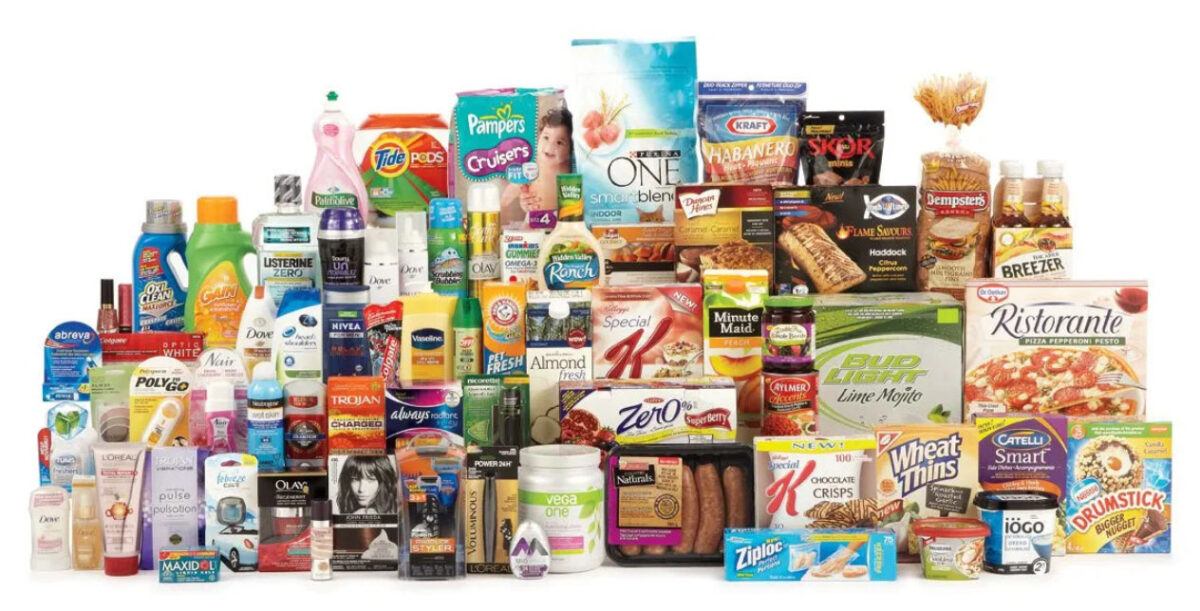
The consumer-packaged goods industry is evolving rapidly, driven by shifting consumer expectations, regulatory requirements, and advances in manufacturing technology. At the center of this evolution are CPG packaging trends, which are redefining how products are designed, produced, and marked. Product marking is no longer a simple operational task—it’s a strategic touchpoint that supports sustainability, traceability, engagement, and brand trust. Below are five key CPG packaging trends shaping the future of product marking and what they mean for manufacturers.
Sustainable Materials
Sustainability has become one of the most influential CPG packaging trends across nearly every category. Brands are transitioning to recyclable, compostable, and lightweight materials to meet environmental goals and consumer demand. While these materials reduce environmental impact, they also introduce new challenges for product marking.
Many sustainable substrates—such as recycled plastics, paper-based films, and biodegradable materials—respond differently during the printing and marking processes. This requires coding solutions capable of producing high-contrast, durable marks without damaging packaging or compromising recyclability. As a result, manufacturers are prioritizing marking technologies that adapt easily to changing materials while maintaining legibility and compliance.
Sustainable packaging also places greater emphasis on transparency. Clear date codes, batch numbers, and traceability markings help reinforce brand credibility and demonstrate accountability throughout the supply chain.
Convenience Features
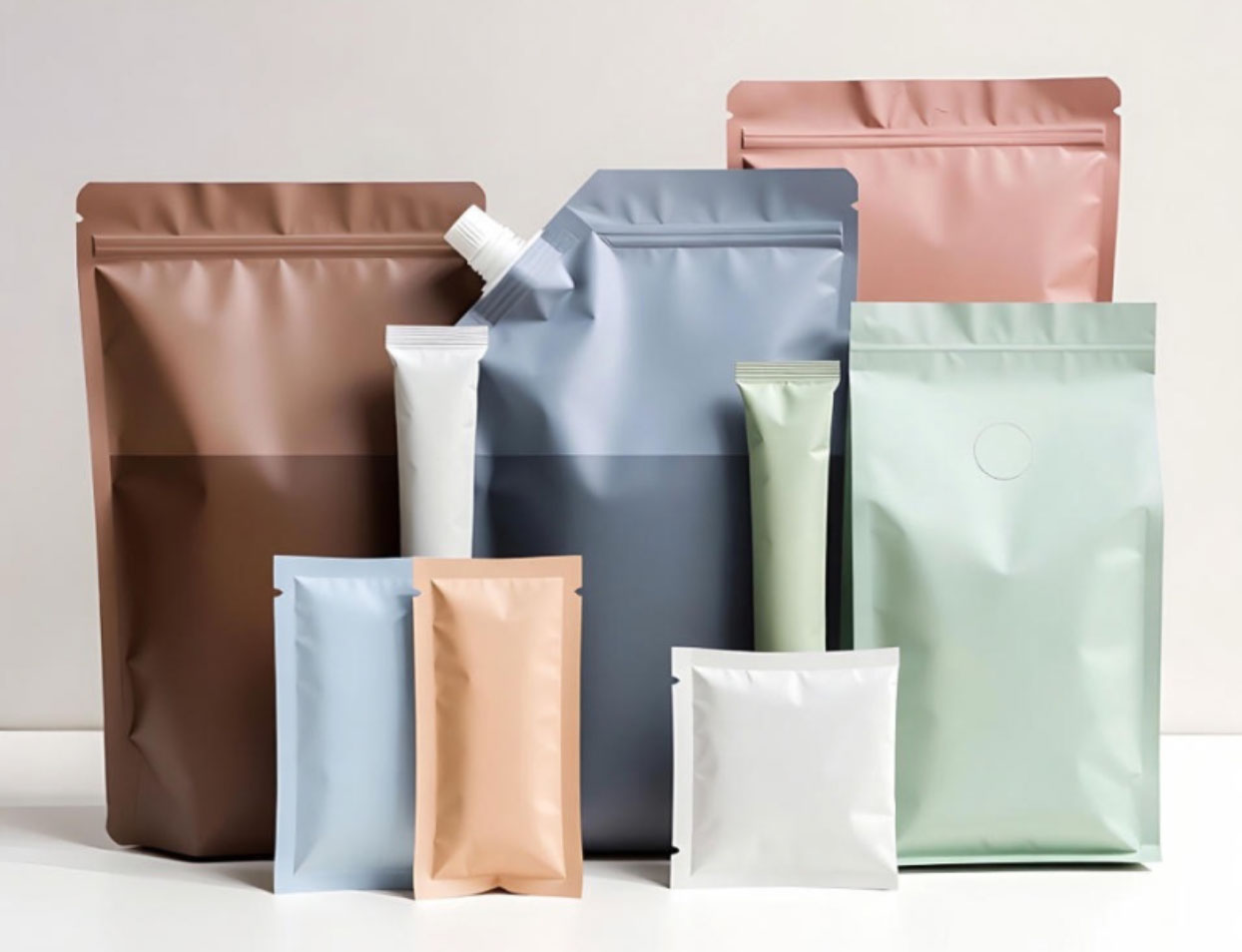
Convenience continues to shape CPG packaging trends, influencing everything from package structure to labeling placement. Resealable closures, spouts, single-serve formats, and easy-open designs are now common expectations rather than premium features.
From a product marking perspective, these features create both constraints and opportunities. Irregular surfaces, smaller print areas, and dynamic packaging shapes require precise and flexible marking systems. Codes must remain readable without interfering with functionality or aesthetics.
Manufacturers are responding by integrating compact, high-precision coding solutions that apply accurate marks even on challenging surfaces. This ensures that convenience-driven packaging still meets regulatory and operational requirements without slowing production.
Personalized Packaging
Personalization is one of the fastest-growing CPG packaging trends, driven by digital printing and variable data capabilities. Brands are using personalized packaging to connect with consumers through regional messaging, limited editions, and even individualized content.
This shift has major implications for product marking. Variable data printing allows manufacturers to change codes, graphics, and information on the fly—sometimes from one package to the next. Lot codes, expiration dates, QR codes, and promotional elements can all be customized without stopping the line.
Personalized packaging also increases the importance of accuracy. Each variation must be correctly applied and verified to avoid costly errors. Advanced marking systems with intelligent controls help manufacturers manage complexity while maintaining efficiency.
Digital Integration
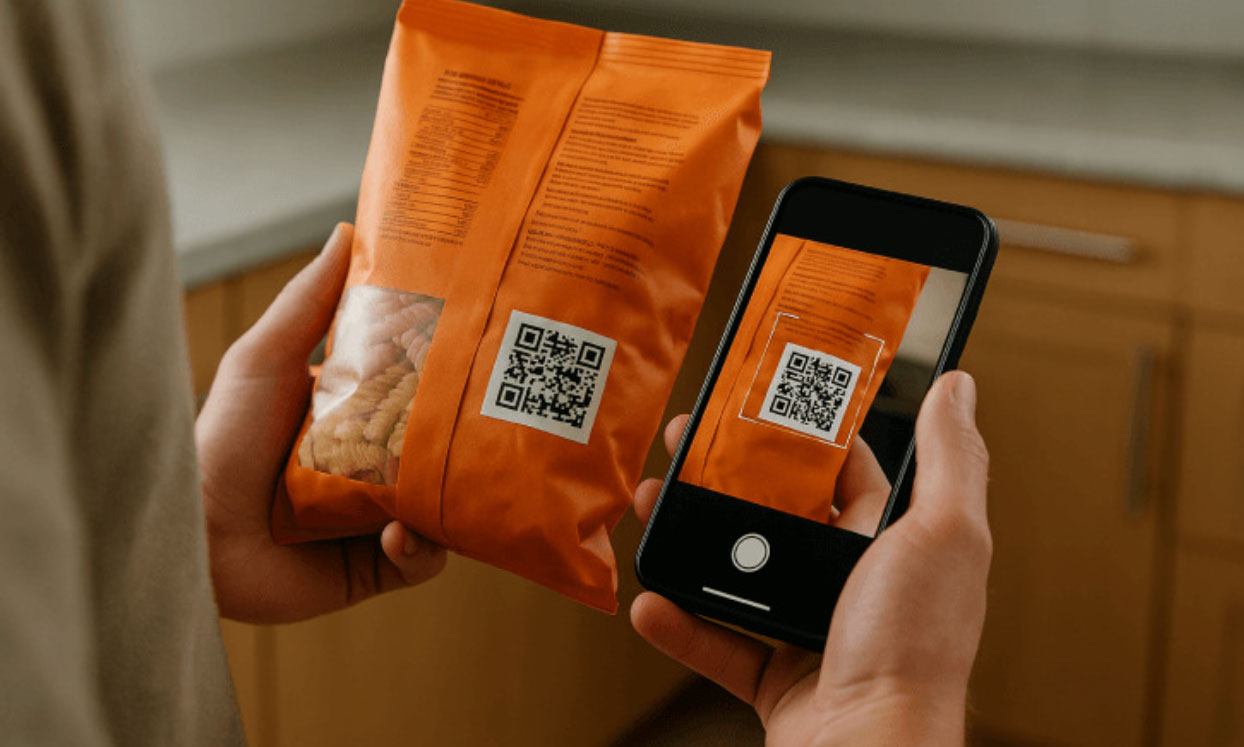
Digital connectivity is redefining how packaging communicates, making digital integration a defining force among CPG packaging trends. QR codes, 2D barcodes, and serialized identifiers are increasingly used to link physical products to digital experiences.
These smart codes enable traceability, anti-counterfeiting, and consumer engagement. Shoppers can scan packaging to access product details, sustainability information, promotions, or brand stories. For manufacturers, digital integration supports better data collection and supply chain visibility.
As digital integration expands, product marking must deliver consistently scannable, high-quality codes at production speeds. This has driven adoption of advanced marking systems capable of producing precise codes that meet global standards and perform reliably across distribution and retail environments.
Minimalist Designs
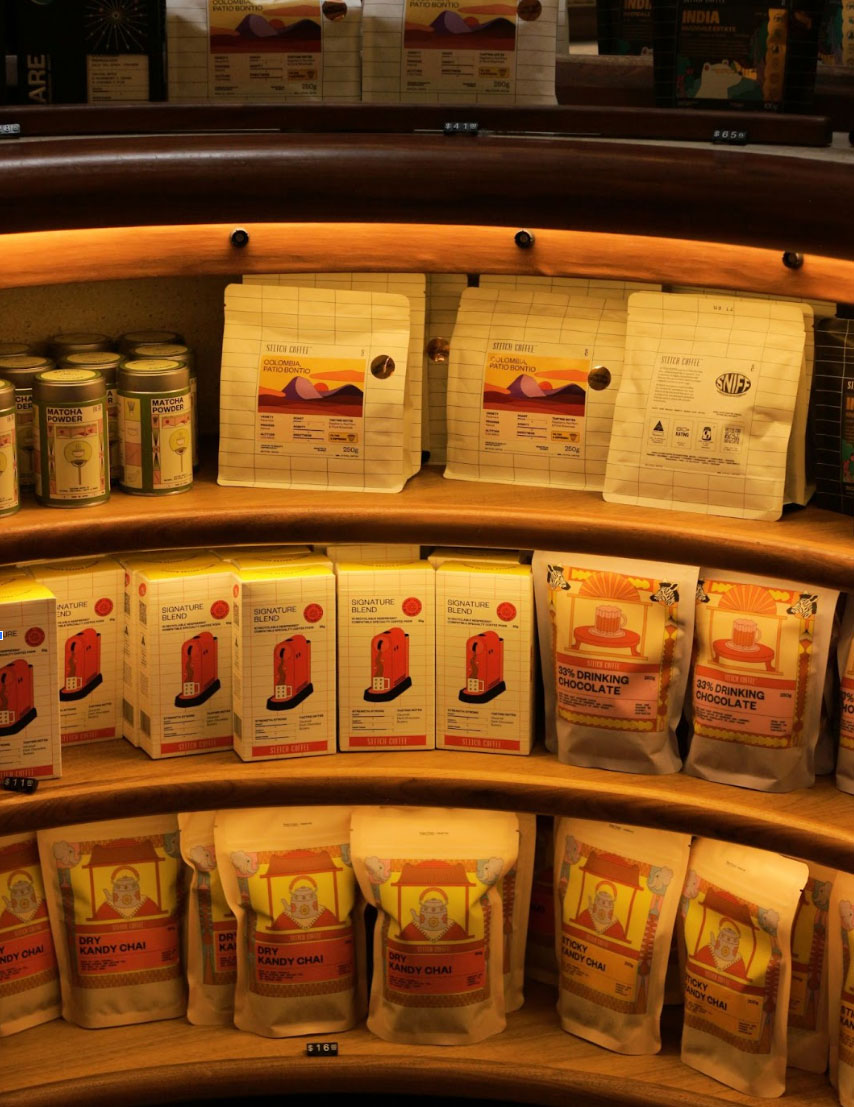
Minimalist aesthetics are another major influence shaping CPG packaging trends. Clean layouts, reduced color palettes, and uncluttered designs help products stand out on crowded shelves and communicate quality and transparency.
Minimalist packaging places greater responsibility on product marking. With fewer visual elements to mask inconsistencies, codes must be sharp, well-placed, and visually harmonious with the overall design. Poorly printed or misaligned codes are far more noticeable on minimalist packaging.
To support this trend, manufacturers are investing in marking solutions that deliver high resolution and precise placement. The result is packaging that maintains a premium look while still providing all required information clearly and compliantly.
Looking Ahead
As CPG packaging trends continue to evolve, product marking will remain a critical intersection of compliance, efficiency, and brand experience. Sustainability, convenience, personalization, digital integration, and minimalist design are not isolated trends—they are interconnected forces shaping the future of packaging.
Manufacturers that align their marking strategies with these trends will be better positioned to adapt, scale, and compete. By investing in flexible, high-performance marking solutions, CPG brands can future-proof their operations while delivering packaging that meets both consumer expectations and operational demands.
Contact REA JET to explore how agile coding and marking can unlock your packaging potential.