
Understanding Consumer Needs
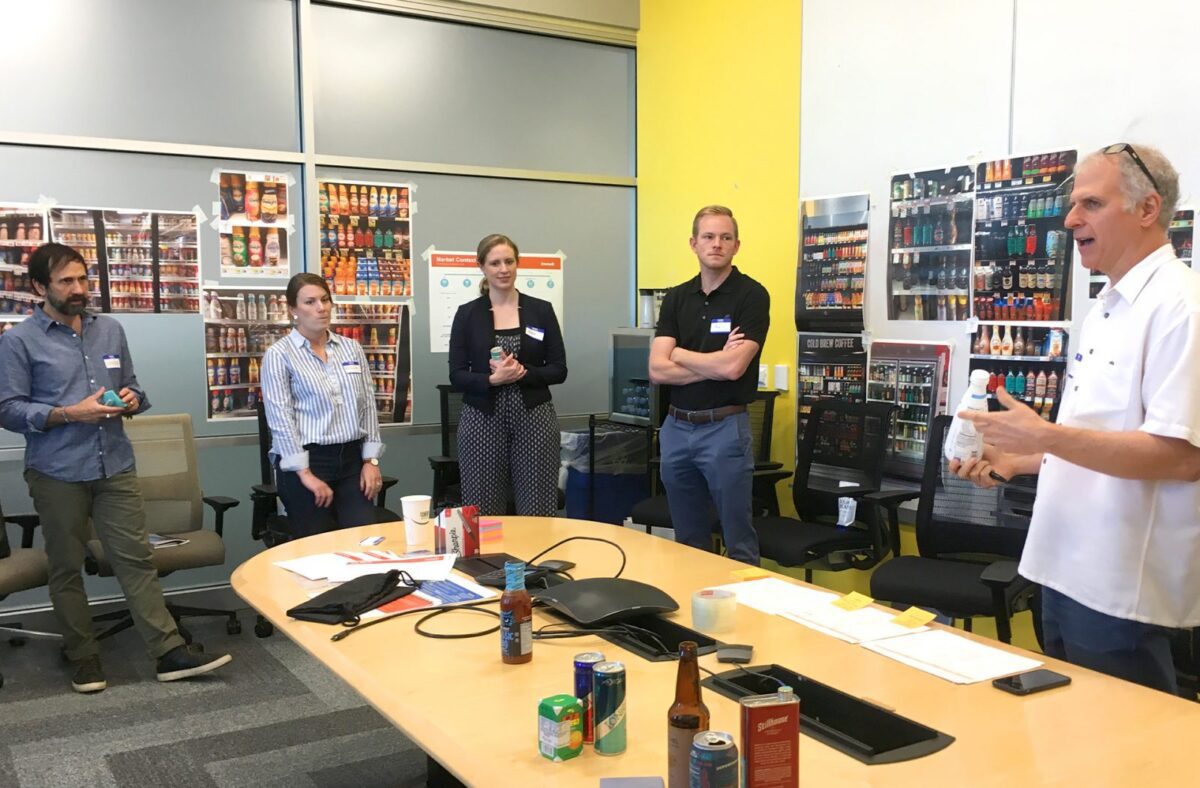
Every successful CPG product development journey begins with understanding the consumer—because in the world of consumer packaged goods, it’s not just about manufacturing capability or branding; it’s about solving a real need in the daily lives of your target audience.
Modern consumers are driven by convenience, sustainability, health awareness, and personalization. They’re loyal to brands that align with their values and provide consistent quality. To connect with them, manufacturers must move beyond traditional demographics and tap into behavioral insights that explain why people buy what they buy.
Key approaches to understanding consumer needs include:
- Ethnographic research: Observing consumers in real environments to uncover unmet needs.
- Social listening: Monitoring social media and reviews for real-time feedback and emerging trends.
- Surveys and focus groups: Gathering qualitative and quantitative data about product preferences, packaging expectations, and price sensitivity.
A successful CPG product development strategy depends on empathy—the ability to see your product from the consumer’s perspective and translate that understanding into tangible features, benefits, and packaging design.
Research and Analysis
Once consumer insights are defined, the next step in CPG product development is turning data into direction. Research validates assumptions and provides the foundation for both creative and technical decisions.
Market Research
Market analysis identifies where opportunities exist—and where the competition is strongest. It helps define market size, projected growth, and white spaces where new innovations can thrive.
Tools and methods include:
- Trend reports (e.g., Mintel, NielsenIQ, Euromonitor)
- Category mapping to pinpoint saturation or opportunity zones
- Competitor benchmarking for pricing, claims, packaging formats, and retail placement
Consumer Data Analysis
Consumer purchasing behavior often reveals hidden patterns—such as seasonal buying cycles or preferred pack sizes—that guide manufacturing and distribution strategy.
Combining CRM data, point-of-sale analytics, and retailer feedback helps prioritize product features that truly influence buying decisions.
Technical Feasibility and Cost Analysis
Even the most promising concept can fail if it can’t be produced profitably. Feasibility studies examine raw material availability, supplier reliability, regulatory requirements, and expected margins.
In short, the research phase turns insights into actionable intelligence, ensuring every next step in the CPG product development process is grounded in data, not guesswork.
Concept Generation
With insights and data in hand, manufacturers move into the creative stage—concept generation—where innovation takes shape.
This phase is where the brand, R&D, and marketing teams collaborate to translate insights into potential product ideas. The goal is to create concepts that not only resonate with consumers but also align with operational capabilities and brand positioning.
Key Steps in Concept Generation
- Brainstorming sessions: Encourage free thinking from cross-functional teams—marketing, design, R&D, operations, and sales.
- Idea screening: Score ideas based on market fit, profitability, brand alignment, and technical feasibility.
- Concept refinement: Develop clear product statements that define value proposition, target audience, and product differentiation.
Innovation Drivers
- Health and wellness: Low-sugar, plant-based, and allergen-free alternatives.
- Sustainability: Recyclable packaging and ethically sourced materials.
- Convenience: Ready-to-consume formats and portion control.
- Experience: Flavor, texture, or visual uniqueness that creates emotional engagement.
In the CPG world, innovation doesn’t always mean inventing something entirely new—it often means improving, simplifying, or repositioning an existing product to meet a changing need.
Prototyping and Testing
After the most promising concepts are selected, the prototyping and testing phase begins. This is where ideas transition from paper to product—combining design, formulation, and functional testing.
Prototyping Process
- Product Formulation: R&D teams create initial versions that reflect the desired taste, texture, appearance, or performance.
- Packaging Design: Engineers and designers develop label layouts, material structures, and sustainability options.
- Pilot Production: Small-scale manufacturing runs are conducted to test production efficiency and identify bottlenecks.
Testing Methods
- Sensory testing: Panels evaluate flavor, scent, or texture to ensure consumer appeal.
- Performance testing: For non-food CPG products (like cleaning agents or cosmetics), this verifies functionality and consistency.
- Shelf-life testing: Determines how the product holds up under real-world storage and transport conditions.
Consumer Validation
A strong CPG product development program includes beta testing—sampling prototypes with target consumers before full-scale rollout. Feedback from these sessions can reveal critical improvements to packaging usability, flavor balance, or design clarity.
Testing ensures a product is manufacturable, desirable, and reliable before significant investment in scaling production.
Iterative Improvements
Even the most well-researched prototypes need refinement. The best CPG product development strategies rely on iteration—a continuous feedback loop between production, consumer testing, and quality control.
Continuous Improvement in CPG
Iteration isn’t limited to the design phase—it extends through manufacturing and market feedback. Each iteration should address three major dimensions:
- Product Quality: Does the formula consistently deliver? Are there variances batch to batch?
- Operational Efficiency: Can the product be made faster, cheaper, or with fewer defects?
- Consumer Experience: Does packaging open easily? Does messaging resonate on the shelf?
Tools for Iterative Improvement
- Lean Manufacturing Principles: Eliminating waste and improving production flow.
- Six Sigma Methods: Reducing variability to achieve consistent quality.
- Digital Twins and Simulation: Testing design or production changes virtually before physical rollout.
Cross-Functional Feedback
Collaborative communication between marketing, R&D, production, and supply chain is vital. Feedback loops ensure changes in formula or packaging don’t create unforeseen problems downstream.
Iteration transforms CPG innovation from a one-time event into an ongoing culture of optimization. Each improvement makes the next product launch smarter, faster, and more cost-effective.

Market Launch Strategy
The final—and most visible—stage of CPG product development is bringing the product to market. A great product can fail without an equally strong launch strategy that aligns manufacturing, marketing, and distribution.
Key Elements of a Successful Launch
1. Go-to-Market Planning
Define your distribution model early. Will you sell direct-to-consumer, through national retail partners, or via regional distributors? Each has implications for packaging, logistics, and pricing strategy.
2. Marketing and Messaging
Your launch narrative should reinforce what makes the product unique—whether it’s performance, value, sustainability, or flavor.
- Digital Campaigns: Build awareness through paid social, email marketing, and influencer collaborations.
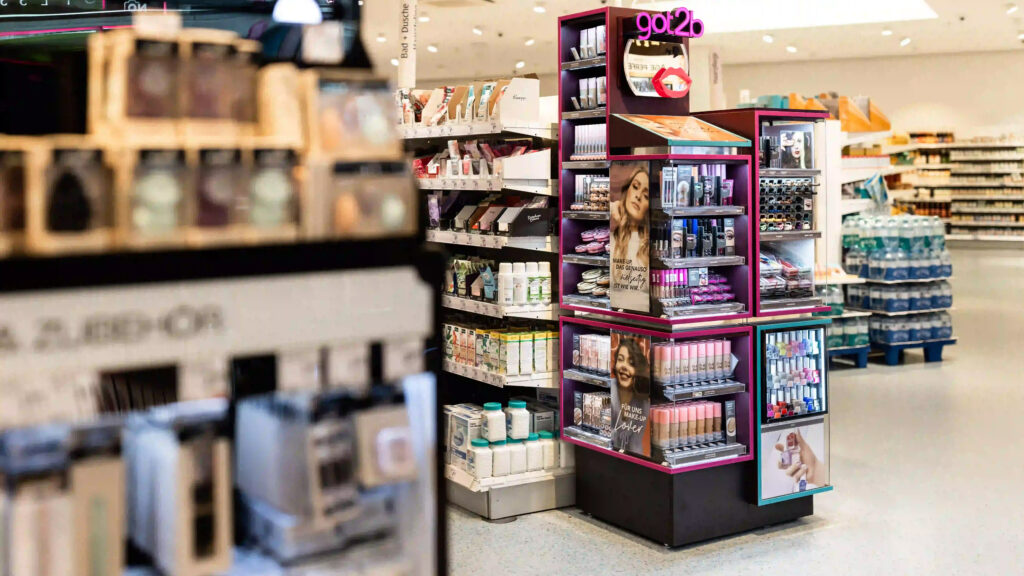
- Retail Activation: Use in-store displays, samples, and QR codes to drive trial and engagement.
- PR and Trade Relations: Secure coverage in trade publications, online retailers, and industry expos.
3. Pricing and Positioning
Price is both a marketing tool and a profitability driver. Conduct elasticity testing to identify acceptable ranges without compromising margins. A premium positioning strategy may emphasize sourcing or innovation; a value strategy may stress quantity and accessibility.
4. Supply Chain Readiness
Ensure production and logistics are aligned for scale. Manufacturers must plan for demand variability—especially during initial rollouts when forecasts are less predictable.
5. Post-Launch Analysis
Once the product hits shelves, data becomes the compass for future decisions. Monitor:
- Sell-through rates and velocity
- Consumer reviews and returns
- Retailer feedback and reorder frequency
These insights inform version 2.0 improvements or line extensions, reinforcing the iterative nature of CPG success.
Conclusion
In today’s competitive market, effective CPG product development is about merging creativity with data-driven precision. Manufacturers who invest in understanding consumers, validating concepts, and iterating through prototyping and feedback cycles are the ones who achieve lasting success.
The most innovative CPG brands treat development not as a linear process, but as a loop of discovery, testing, and improvement—where every insight feeds the next breakthrough.
By aligning market intelligence, manufacturing excellence, and customer empathy, your organization can turn every new product launch into a measurable, repeatable success story.
Contact REA JET to explore how agile coding and marking can unlock your packaging potential.