Introduction to Inkjet Marking
In today’s manufacturing landscape, precision in inkjet marking and coding is vital to building a trusted CPG experience. From food and beverage packaging to pharmaceuticals and electronics, accurate, legible codes ensure quality, compliance, and consumer confidence. Whether it’s a production date or traceable batch code, reliable inkjet marking systems transform simple packaging into a channel of communication and traceability.
Exploring Inkjet Marking Systems
Modern inkjet marking systems are the backbone of efficient production. These systems apply variable data—such as expiration dates, lot numbers, barcodes, and QR codes—directly onto packaging at high speed. Advanced inkjet marking and coding technology integrates seamlessly with production lines and enterprise software, enabling automated data transfer and consistent quality. By connecting operations and packaging, brands deliver a smoother, smarter CPG experience that builds consumer trust through transparency and precision.

Benefits of Industrial Coding
The value of industrial coding and marking extends far beyond compliance. It strengthens traceability across supply chains, allowing manufacturers to quickly isolate and recall specific batches if needed. It safeguards authenticity, combats counterfeiting, and reinforces quality perception. Additionally, industrial coding improves operational efficiency by reducing labeling errors, downtime, and waste—key factors that enhance profitability and production reliability within the broader CPG experience.
Inkjet Marking Equipment Overview
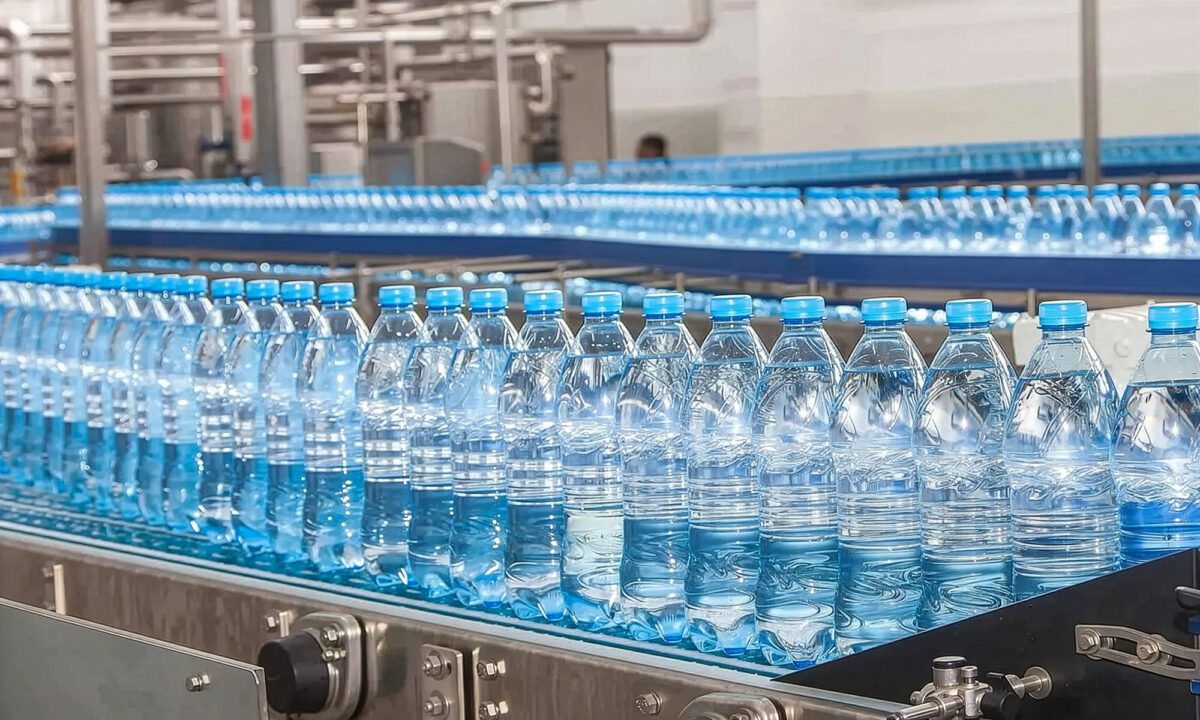
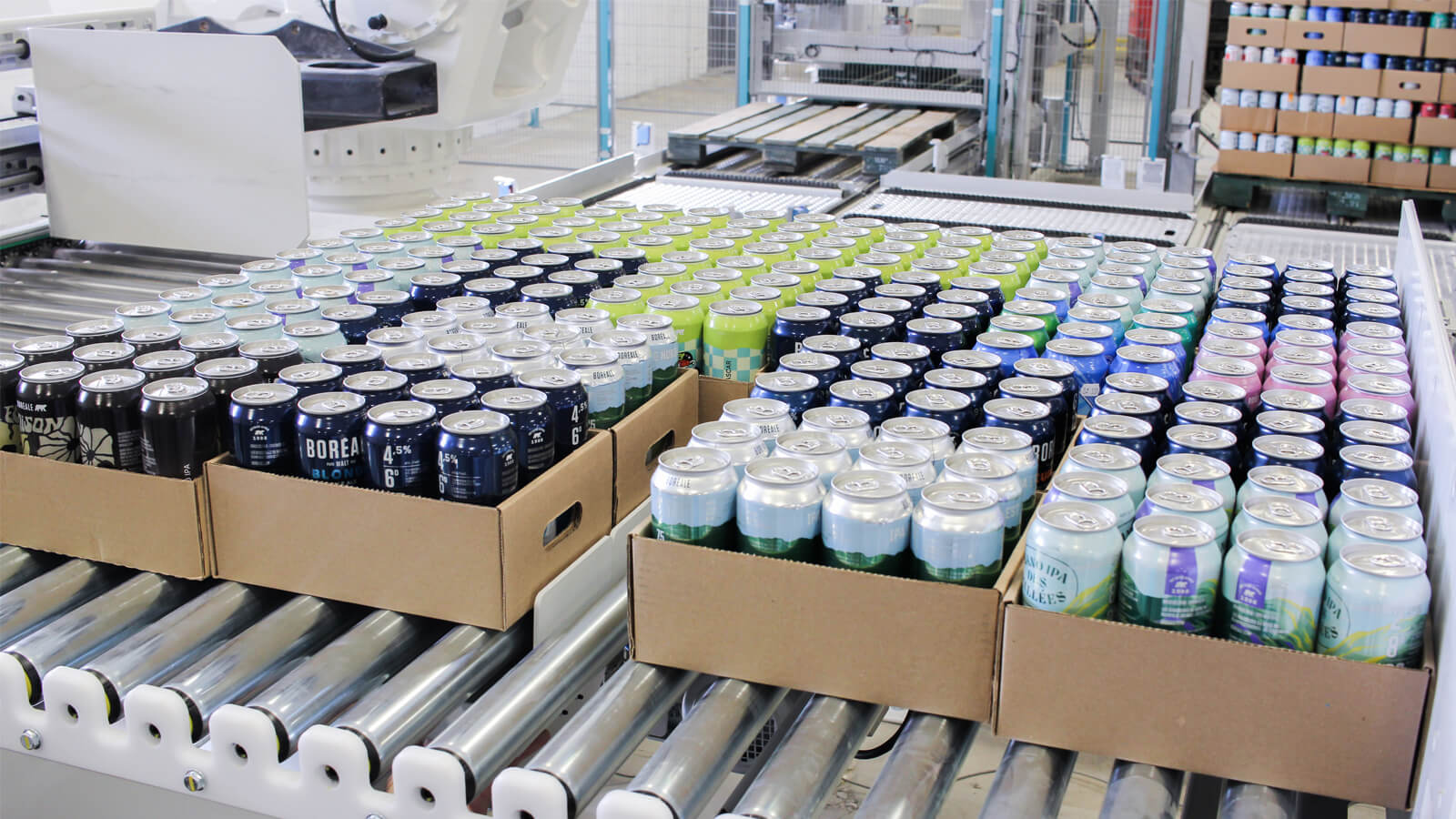
Modern inkjet marking equipment offers unparalleled flexibility. Continuous Inkjet (CIJ) systems dominate high-speed lines, printing sharp, durable characters on bottles, cans, and pouches. Thermal Inkjet (TIJ) technology provides exceptional resolution for secondary packaging and labels, while large-character printers mark corrugated boxes and pallets. Each inkjet marking system is engineered to perform under demanding conditions, delivering consistent results across diverse materials and substrates.
Choosing the Right Inkjet Marking Machine
Selecting the ideal inkjet marking machine begins with understanding your production environment. Evaluate line speed, substrate type, ink compatibility, and maintenance requirements. For food and beverage products, solvent-based CIJ printers ensure durability under moisture, while water-based TIJ systems suit porous surfaces. The best inkjet marking equipment balances precision with uptime, ensuring smooth integration into your production flow and delivering dependable results that uphold a premium CPG experience.
Enhancing Efficiency with Industrial Coding
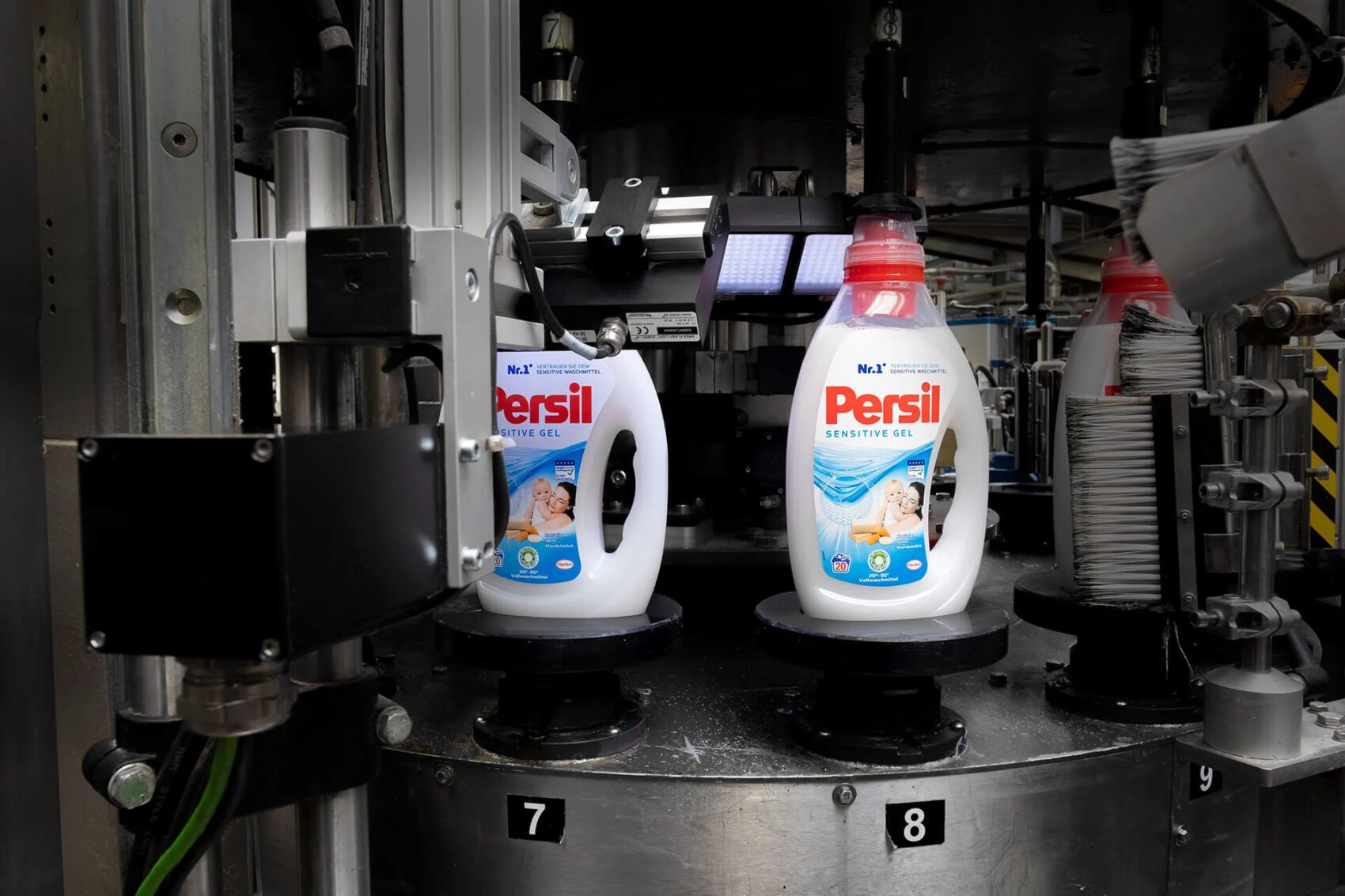
Efficiency is where industrial coding and marking truly shine. Integrated inkjet marking systems connected to ERP or MES platforms automatically update codes during product changeovers, eliminating manual input errors. Inline vision systems verify print accuracy, preventing costly rework. These automation features not only increase line efficiency but also reinforce the accuracy and trust that consumers associate with a reliable CPG experience.
Inkjet vs. Industrial Coding Systems
While inkjet marking focuses on printing product information, industrial coding systems encompass broader traceability solutions—linking data, compliance, and packaging automation. Together, they form a unified strategy for manufacturing success. The synergy between advanced inkjet marking and coding ensures consistency, compliance, and communication—three pillars of an optimized CPG experience that defines modern product excellence.
Final Thought
From marking bottles to branding boxes, every print defines a promise. With the right inkjet marking systems and industrial coding strategy, brands can deliver precision, efficiency, and authenticity—turning every mark into a moment of trust in the CPG experience.
Contact REA JET
to explore how agile coding and marking can unlock your packaging potential.