
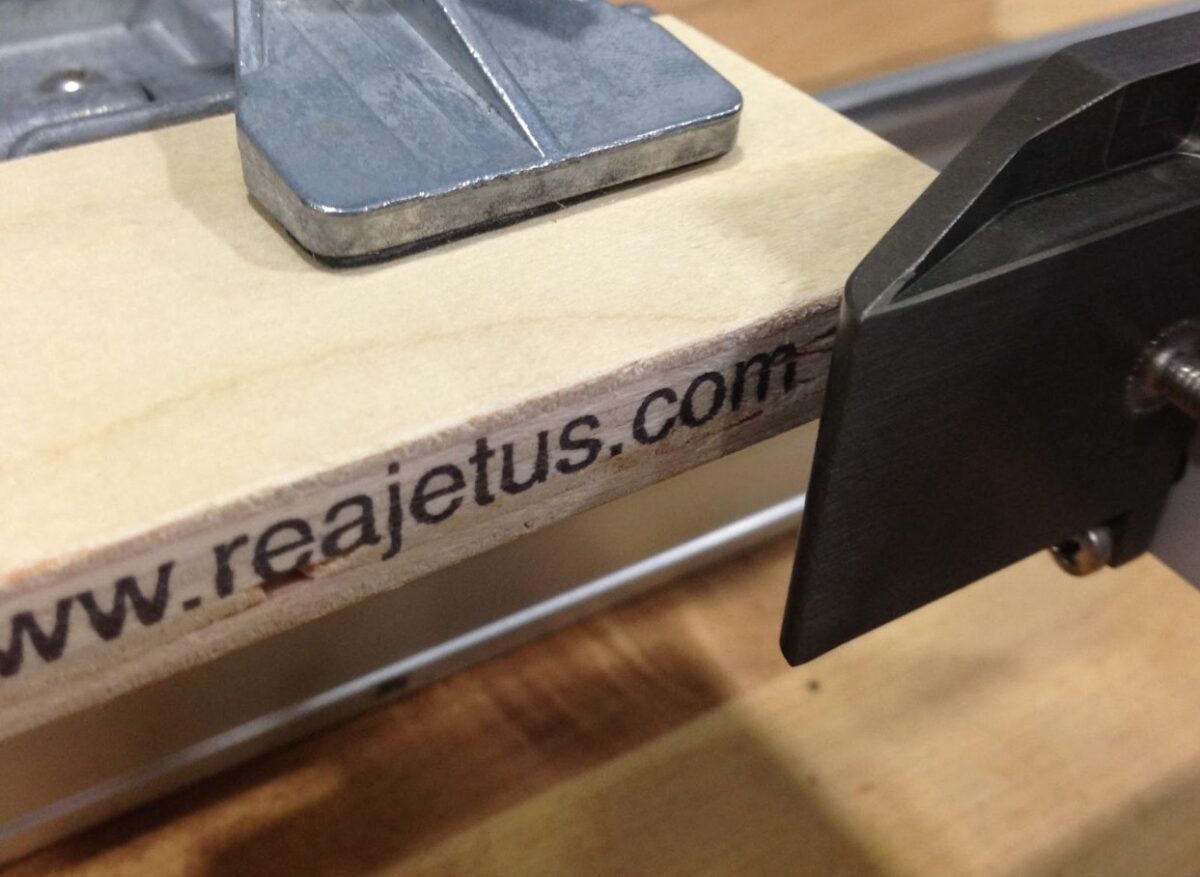
Wood products move through complex supply chains—from mills and treatment facilities to fabricators, distributors, and job sites. Throughout this journey, wood marking plays a critical role in identification, traceability, and quality control. Clear, durable marks help manufacturers track materials, meet regulatory requirements, and ensure consistency across operations.
As production speeds increase and documentation demands grow, modern wood marking solutions must balance durability, efficiency, and ease of use. This article explores the fundamentals of wood marking, common techniques, practical tips, and emerging innovations shaping the future of marking wood products.
Introduction to Wood Marking
Wood marking refers to the process of applying permanent or semi-permanent information to wood products. This information may include grade stamps, batch numbers, dimensions, certifications, treatment codes, or customer-specific identifiers.
Unlike smooth packaging materials, wood presents unique challenges. Variations in grain, moisture content, surface roughness, and treatment chemicals can affect mark quality. Effective wood marking solutions are designed to overcome these variables while remaining legible throughout handling, storage, and transportation.
For lumber producers, pallet manufacturers, and engineered wood facilities, reliable wood marking is essential to operational efficiency and downstream accountability.
Types of Wood Marking Techniques
There are several established techniques used for marking wood, each suited to different applications and environments.
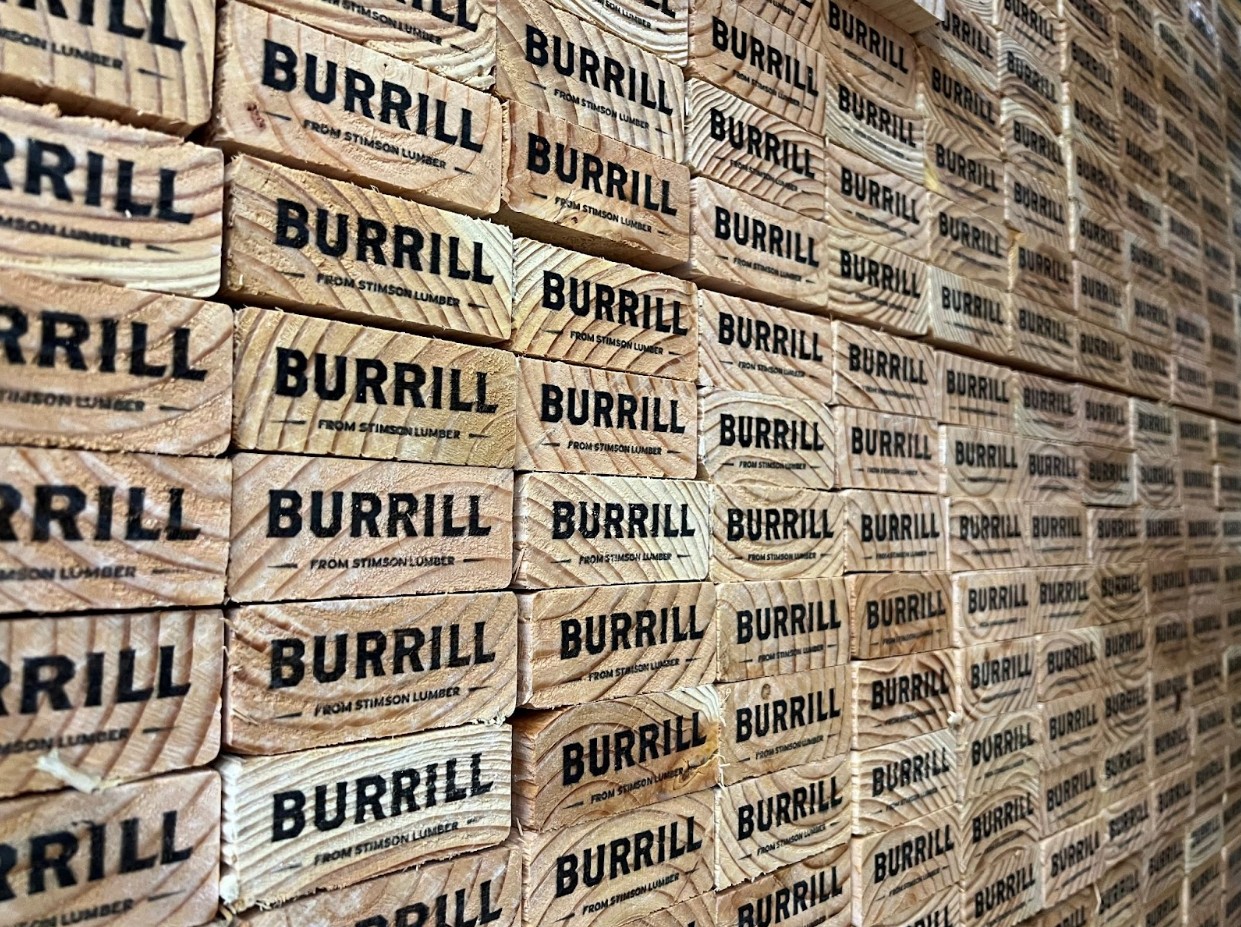
Ink-based marking is one of the most common approaches. Specialized inks are formulated to penetrate porous wood surfaces and resist fading, smearing, or moisture exposure. This method is widely used for lumber grade stamping and pallet identification.
Branding and stamping involve physically imprinting marks into the wood surface using heat or pressure. While highly durable, these methods are typically slower and less flexible than modern printing solutions.
Laser marking is gaining traction for certain wood products, especially where precision and permanence are required. Lasers create high-contrast marks by altering the surface without consumables, though they may be better suited for finished or engineered wood rather than rough lumber.
Each technique has advantages, and many facilities use a combination depending on product type and marking requirements.
Importance of Marking Wood
Marking wood is about more than labeling—it supports traceability, compliance, and quality assurance across the supply chain. Clear wood marking enables manufacturers to track production batches, verify treatment processes, and respond quickly to quality issues or recalls.
In regulated markets, wood marking helps demonstrate compliance with standards related to grading, heat treatment, or sustainability certifications. These marks provide transparency and confidence for customers, inspectors, and end users.
From an operational perspective, consistent wood marking reduces errors, speeds sorting and handling, and improves inventory management. When information is easy to read and reliable, downstream processes become more efficient and less prone to costly mistakes.
Tips for Effective Wood Marking
Achieving consistent results when marking wood requires attention to both equipment and process. One of the most important factors is selecting the right marking method for the wood type and environment. Rough, untreated lumber may require different solutions than smooth, finished panels.
Ink selection is equally critical. Inks should be matched to wood species, moisture levels, and exposure conditions to ensure adhesion and longevity. Using the wrong ink can result in fading, bleeding, or poor readability.
Placement also matters. Marks should be applied in locations that remain visible after cutting, stacking, or assembly. Consistent positioning helps automate inspection and reduces confusion during handling.
Finally, routine maintenance and operator training ensure that wood marking systems perform reliably over time. Clean equipment and standardized procedures go a long way toward consistent, high-quality results.
Common Tools for Wood Marking
A variety of tools are used for wood marking across different scales of operation. Handheld markers and stamps are common in small workshops or for temporary identification, though they offer limited consistency.
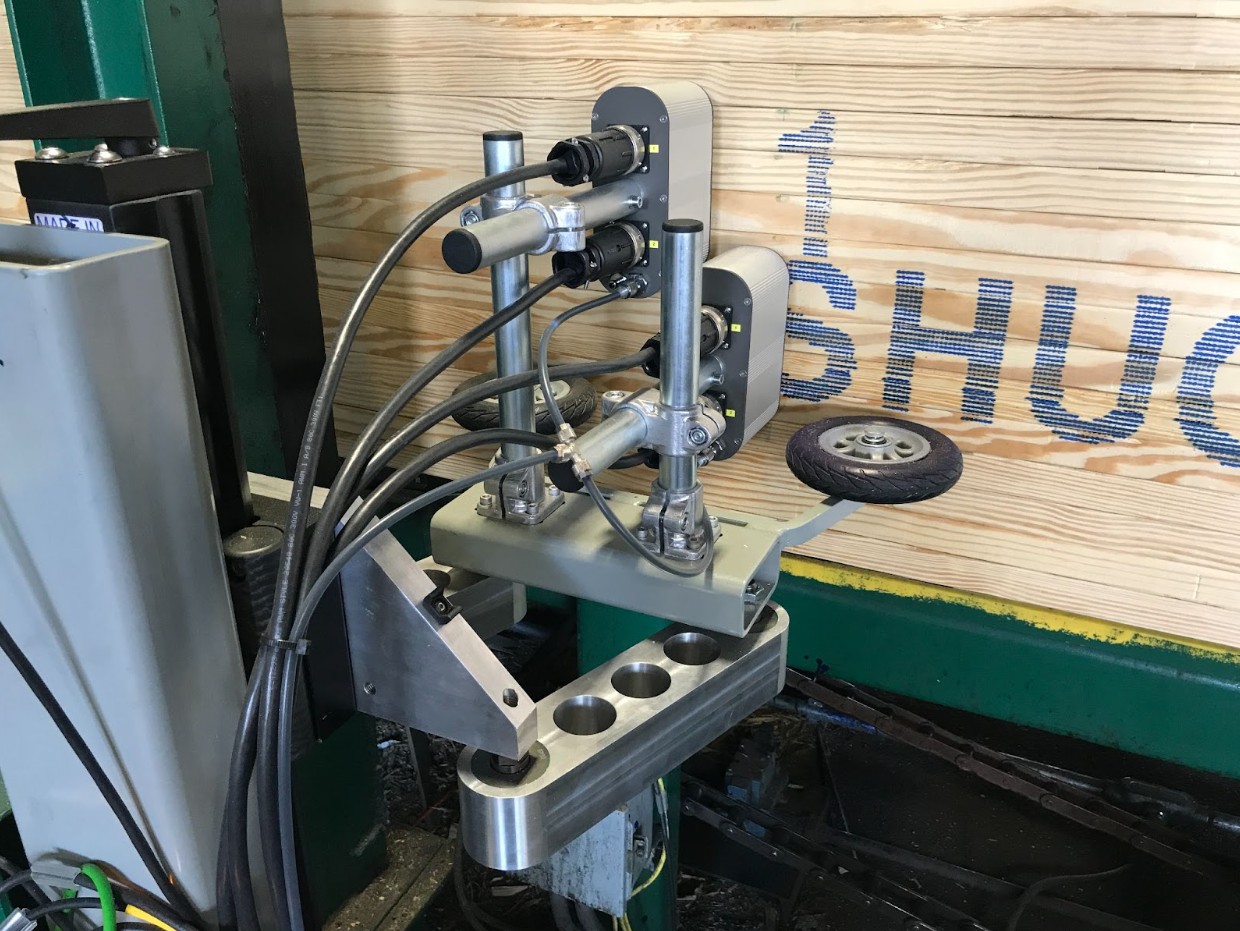
Industrial wood marking systems are designed for production environments. These tools apply marks automatically at line speed, ensuring uniformity across large volumes. They often integrate with conveyors, saws, and sorting systems to apply information without slowing throughput.
Templates, stencils, and automated controllers help standardize content and placement, reducing operator error. As production demands grow, many facilities move toward automated wood marking solutions to support efficiency and scalability.
Innovations in Wood Marking Technology
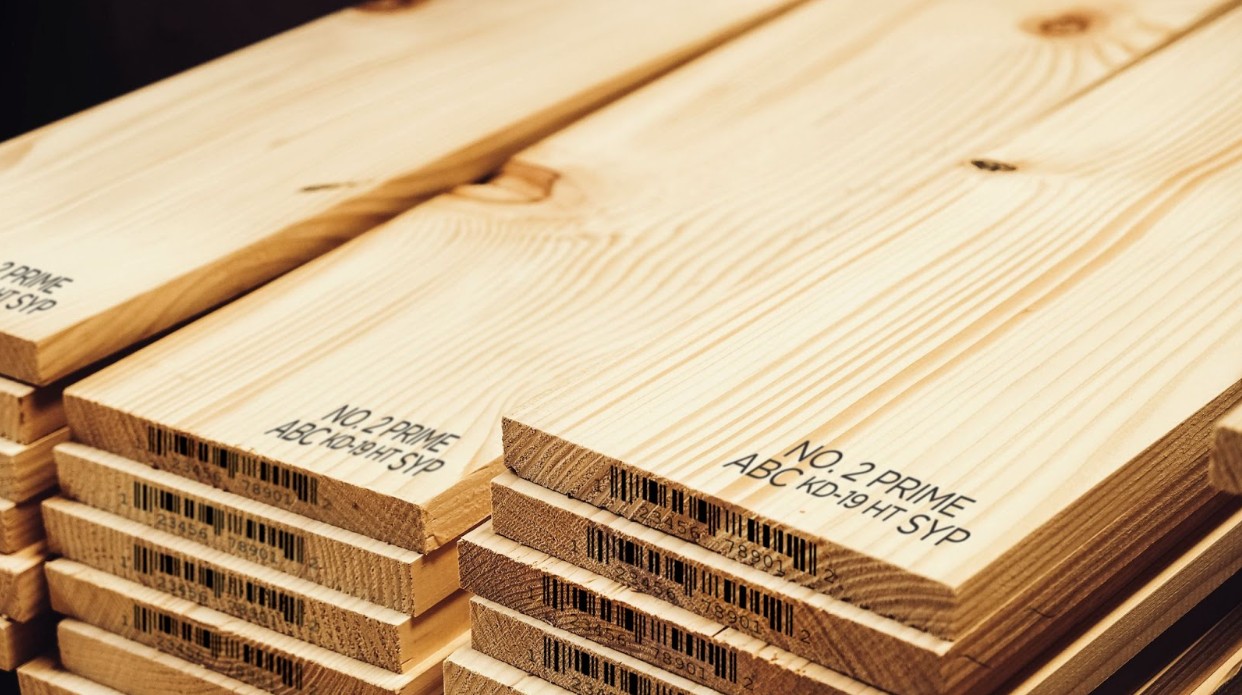
Innovation is transforming how wood marking is approached. Modern systems now offer improved automation, data integration, and durability. Digital controls allow operators to update marking content quickly, supporting short runs, customer-specific requirements, or regulatory changes.
Advanced inks and formulations are extending mark life while reducing environmental impact. These inks are designed to perform under harsh conditions without excessive solvent use.
Connectivity is another key trend. Wood marking systems increasingly integrate with production databases and tracking software, enabling real-time data capture and reporting. This supports better traceability, analytics, and quality control across operations.
As these technologies mature, wood marking is becoming a smarter, more strategic part of wood processing rather than a simple labeling step.
Conclusion
Effective wood marking is essential for traceability, compliance, and operational efficiency in wood processing industries. By choosing the right techniques, tools, and technologies, manufacturers can ensure clear, durable marks that support quality and accountability from mill to market.
With continued innovation and reliable support, modern wood marking solutions are helping producers meet today’s demands while preparing for the future of connected, data-driven manufacturing.
Contact REA JET to explore how agile coding and marking can unlock your packaging potential.