
In today’s highly regulated and efficiency-driven manufacturing environment, industrial marking solutions are critical to ensuring reliable product coding. From date and batch codes to serialized identifiers and compliance markings, manufacturers depend on precise and durable marking systems to maintain traceability, protect brand integrity, and meet global standards.
As production lines become faster and supply chains more complex, industrial marking systems must deliver consistent performance under demanding conditions. The right solution not only supports compliance but also improves operational efficiency and long-term scalability.
Below, we explore the impact, evolution, benefits, and selection criteria of modern industrial marking solutions.
The Impact of Industrial Marking Solutions
Industrial marking solutions have a direct and measurable impact on manufacturing operations. At the most basic level, they ensure that essential information—such as lot numbers, expiration dates, and regulatory identifiers—is clearly applied to products and packaging.
However, their impact extends far beyond basic labeling.
Traceability and Recall Management
Accurate product coding enables end-to-end tracking throughout the supply chain. In the event of a recall, precise marking allows manufacturers to isolate affected batches quickly, reducing risk and financial exposure.
Compliance and Regulatory Confidence
Industries such as food and beverage, pharmaceuticals, electronics, and automotive operate under strict labeling regulations. Industrial marking systems ensure that required information is applied consistently and legibly, supporting audit readiness.
Operational Efficiency
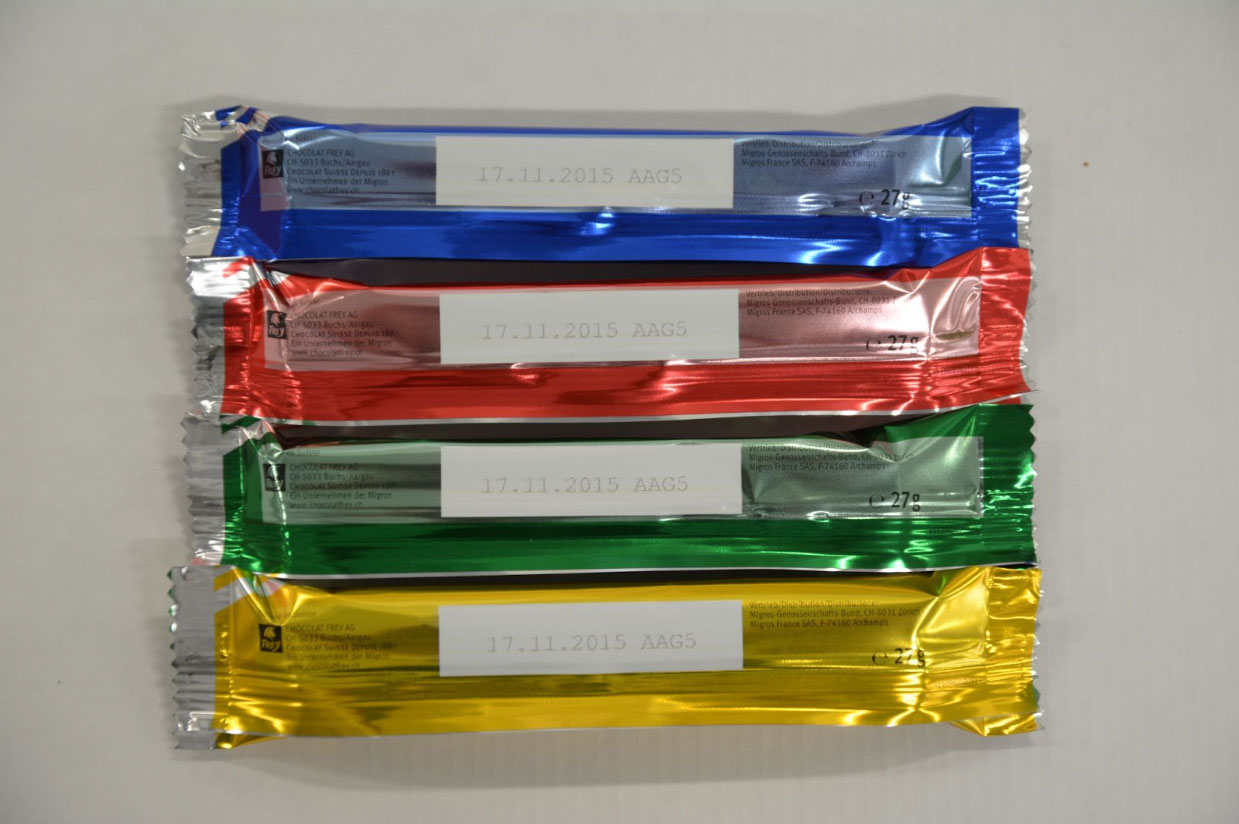
Modern marking technologies integrate seamlessly with production lines, applying codes at high speed without disrupting throughput. Reliable systems reduce downtime, rework, and product waste.
Brand Protection
Clear, professional product coding reinforces brand credibility. Poor or inconsistent markings can undermine consumer trust and retailer relationships.
Ultimately, industrial marking solutions serve as a foundation for accountability and operational excellence.
Evolution of Industrial Marking Systems
Industrial marking systems have evolved significantly over the past several decades. Early solutions relied heavily on manual stamping, labels, or mechanical printing methods. While effective in limited contexts, these approaches were labor-intensive and prone to inconsistency.
The introduction of inkjet and laser technologies transformed the industry. Non-contact marking systems enabled high-speed printing on a wide range of substrates, from plastics and glass to metal and corrugated packaging. This shift dramatically improved flexibility and production efficiency.
Today’s industrial marking solutions are defined by connectivity and automation. Advanced controllers allow manufacturers to store templates, manage variable data, and update content in real time. Integration with ERP systems, quality control software, and centralized databases ensures consistency across multiple facilities.
Additionally, 2D barcodes, QR codes, and serialized identifiers have expanded the capabilities of industrial marking systems. These codes support advanced traceability, anti-counterfeiting measures, and digital engagement strategies.
The evolution continues as manufacturers adopt Industry 4.0 principles—prioritizing data-driven operations and smart manufacturing environments.
Benefits of Modern Marking Technologies
Modern industrial marking solutions deliver a range of benefits that go beyond simple product identification.
High-Speed Performance
Contemporary systems are engineered to keep pace with fast-moving production lines. Non-contact marking methods ensure clean, consistent codes even at high throughput.
Versatility Across Substrates
Whether marking flexible packaging, rigid containers, metal parts, or wood products, industrial marking systems can be configured for diverse materials and surface conditions.
Variable Data Capabilities
Modern solutions allow manufacturers to print dynamic information such as shift codes, serial numbers, and region-specific data without stopping production. This flexibility supports short runs, customization, and compliance requirements.
Reduced Maintenance and Downtime
Improved system design and automated cleaning cycles minimize maintenance needs. Predictive diagnostics and remote monitoring further enhance reliability.
Enhanced Security
Serialized coding and encrypted data formats strengthen product authentication and combat counterfeiting. This is especially valuable in global supply chains where product diversion poses significant risk.
By investing in advanced marking technologies, manufacturers gain both operational and strategic advantages.
Choosing the Right Industrial Marking Solution
Selecting the appropriate industrial marking solution requires a careful assessment of operational needs and long-term goals.
Evaluate Production Requirements
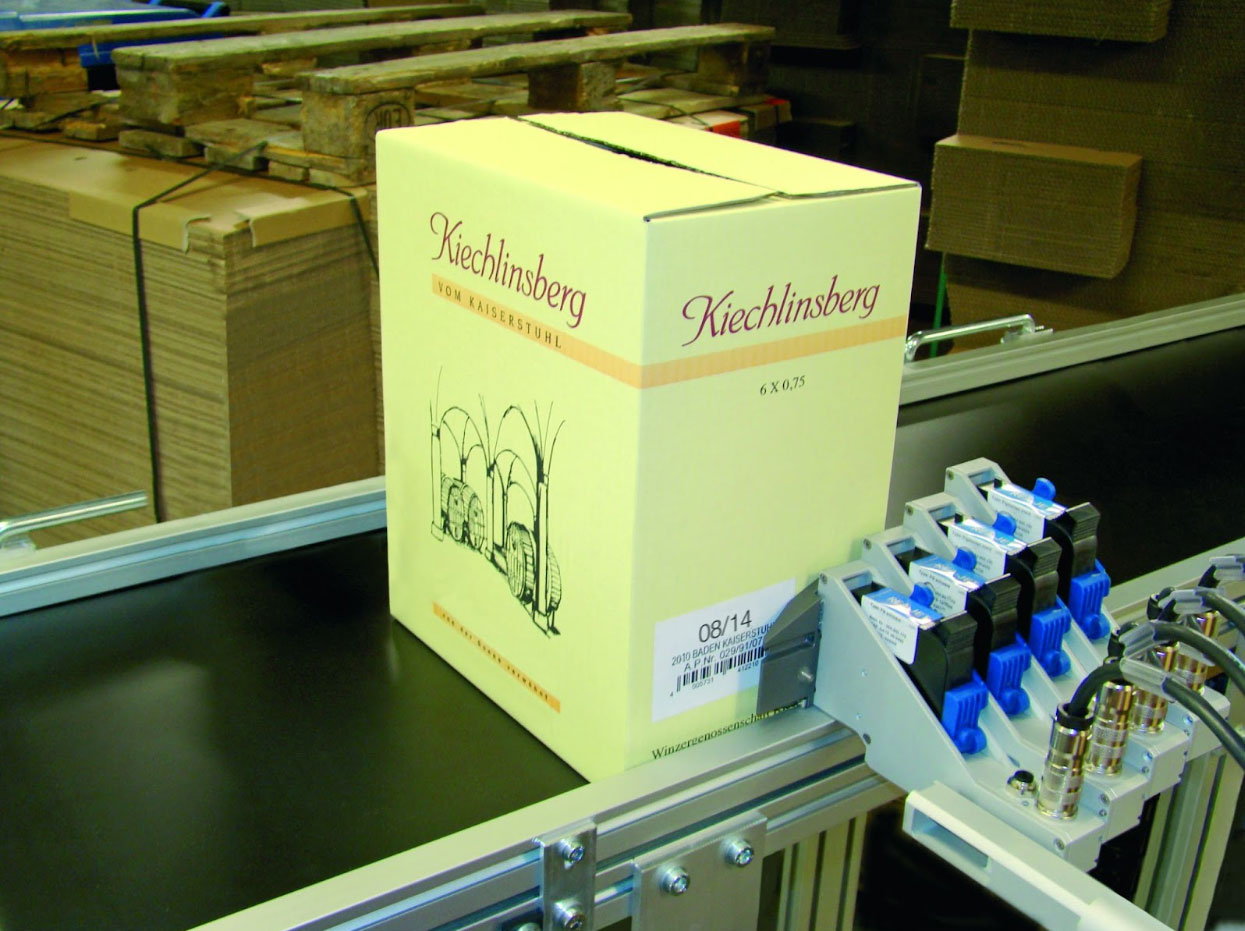
Consider line speed, substrate type, environmental conditions, and code complexity. High-speed beverage lines, for example, may require different solutions than component marking in an automotive facility.
Assess Integration Capabilities
Modern industrial marking systems should integrate with existing production equipment and digital infrastructure. Seamless connectivity reduces errors and improves data accuracy.
Prioritize Scalability
As production expands or product portfolios diversify, marking systems must adapt. Flexible, modular solutions help future-proof investments.
Consider Total Cost of Ownership
Beyond initial equipment cost, evaluate consumables, maintenance, energy usage, and downtime risk. A reliable system with lower operational disruption often delivers greater long-term value.
Ensure Reliable Support
Access to knowledgeable technical support and service resources is essential. Responsive support minimizes disruptions and protects production schedules.
By aligning these considerations with business objectives, manufacturers can choose industrial marking solutions that support growth, compliance, and efficiency.
Conclusion
Industrial marking solutions are more than equipment—they are strategic assets within modern manufacturing operations. From ensuring regulatory compliance to enhancing traceability and protecting brand reputation, reliable product coding underpins every stage of the supply chain.
As industrial marking systems continue to evolve through automation, connectivity, and advanced data capabilities, manufacturers who invest in the right solutions will gain a competitive edge. By prioritizing performance, flexibility, and long-term support, companies can ensure reliable product coding today while preparing for the demands of tomorrow.
Contact REA JET to explore how agile coding and marking can unlock your packaging potential.