
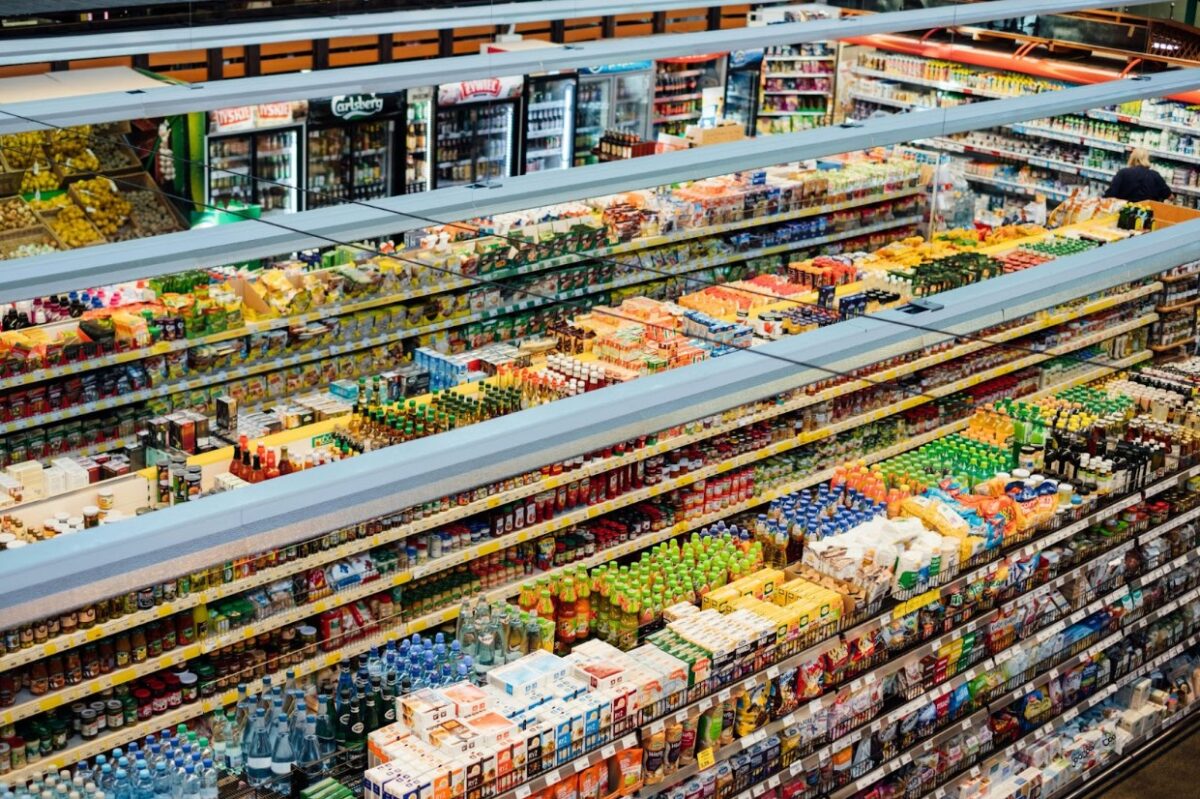
Consumer packaging is undergoing a period of rapid transformation. Driven by sustainability mandates, evolving consumer expectations, digital innovation, and intense competition at the retail shelf, packaging has become far more than a protective layer—it is now a strategic business asset. Today’s packaging decisions influence brand perception, regulatory compliance, supply chain efficiency, and ultimately, sales performance.
Manufacturers and brands that understand where their consumer packaging is headed can make smarter investments, future-proof their operations, and stay ahead of shifting market demands. Below, we explore the latest trends shaping the industry and how they are redefining packaging strategies across categories.
Sustainable Innovations in Packaging
Sustainability has moved from a marketing advantage to a baseline expectation within consumer packaging. Brands are under increasing pressure from consumers, retailers, and regulators to reduce environmental impact while maintaining performance and shelf appeal.
Sustainable innovations are emerging across materials, manufacturing processes, and packaging formats. Lightweighting, material reduction, and mono-material structures are becoming standard approaches to improve recyclability. At the same time, packaging manufacturers are exploring alternatives to traditional plastics, including paper-based composites, plant-derived polymers, and recycled-content materials.
These innovations directly affect how packaging is produced and marked. New substrates require adaptable printing and coding solutions that can deliver consistent results without compromising sustainability goals. Clear labeling and traceability also play a growing role, helping brands communicate environmental commitments while supporting compliance and quality assurance.
Sustainable innovation is no longer a single initiative—it is an ongoing evolution shaping every layer of packaging design and production.
Eco-Friendly Packaging Solutions
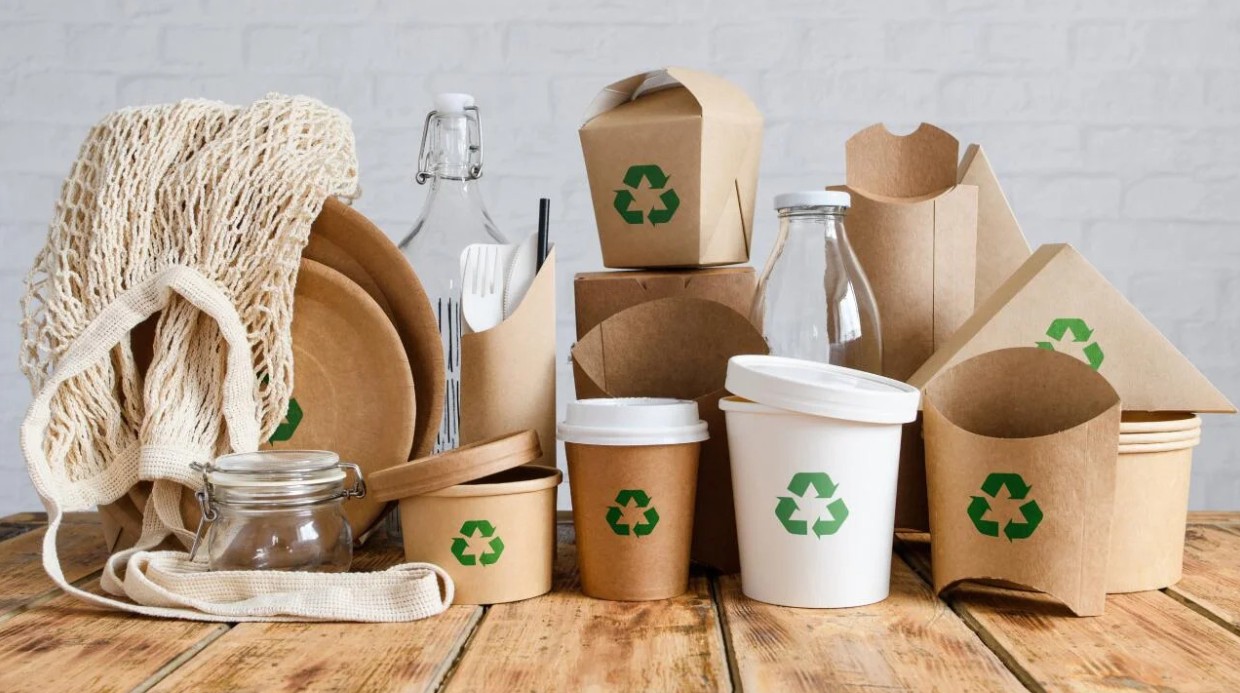
Closely related to sustainability is the rise of eco-friendly packaging solutions that balance environmental responsibility with operational efficiency. In consumer packaging, eco-friendly no longer means sacrificing durability, branding, or scalability.
Reusable packaging models, refill systems, and compostable materials are gaining traction in select categories. Meanwhile, recycled and recyclable packaging continues to dominate large-scale adoption due to its compatibility with existing infrastructure.
Eco-friendly packaging also influences how information is presented. Brands are using packaging to educate consumers about recycling instructions, material sourcing, and environmental impact. This requires precise, legible product marking that remains effective throughout the product lifecycle.
From an operational standpoint, eco-friendly solutions must integrate seamlessly into high-speed production environments. Manufacturers are prioritizing packaging systems and marking technologies that reduce waste, energy consumption, and downtime while supporting sustainability targets.
Future Trends in Consumer Packaging
Looking ahead, the consumer packaging industry is set to become more connected, data-driven, and adaptive. Several future-facing trends are already reshaping how packaging is designed and deployed.
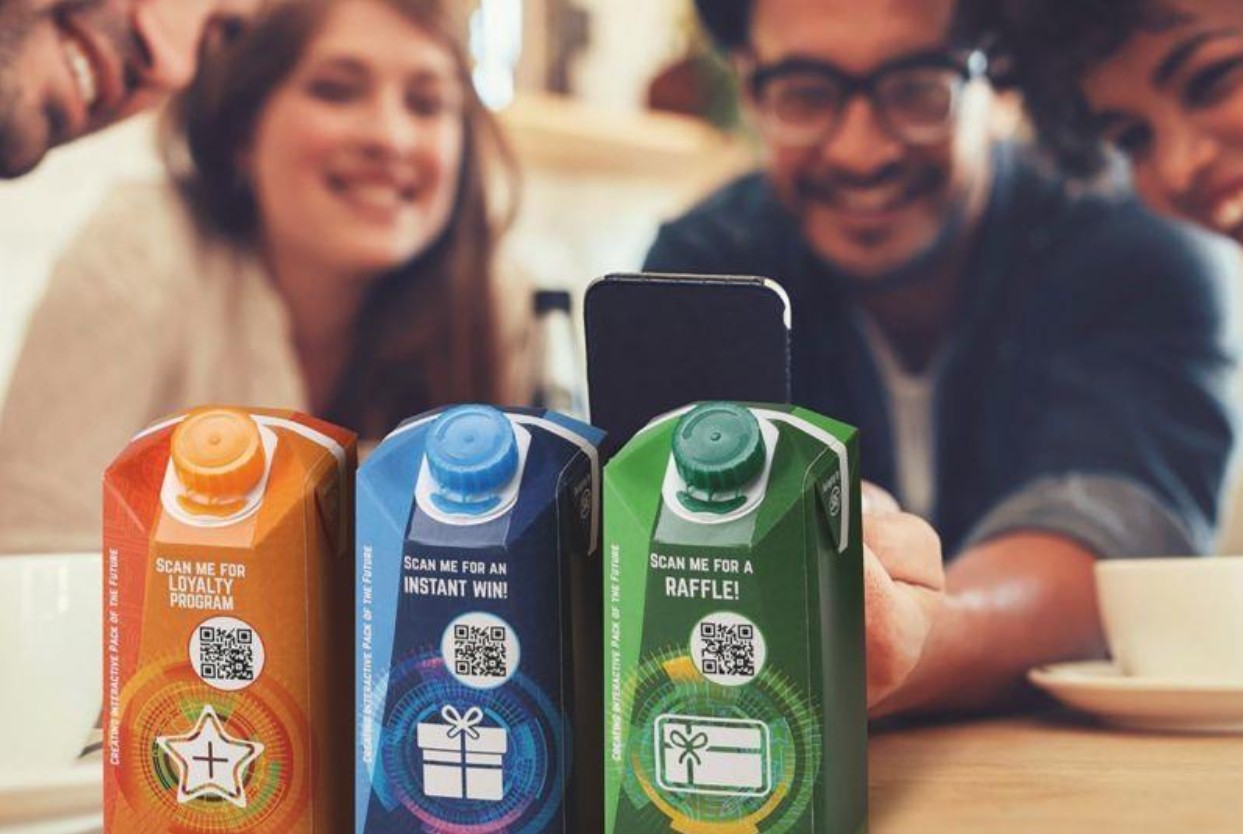
One of the most significant trends is digital integration. Smart packaging elements such as QR codes, 2D barcodes, and serialized identifiers are transforming packaging into a gateway for digital engagement. These features enable traceability, authentication, and interactive experiences that extend beyond the physical product.
Automation and Industry 4.0 principles are also influencing packaging operations. Smart factories increasingly rely on connected systems that monitor quality, track production data, and optimize performance in real time. Packaging and marking equipment must align with these environments, supporting data exchange and centralized control.
Customization and short-run packaging will continue to expand as brands seek agility. Regional variations, limited editions, and personalized packaging demand flexible production lines capable of rapid changeovers without sacrificing efficiency.
Together, these future trends signal a shift toward packaging that is not only functional but intelligent, responsive, and deeply integrated into broader business systems.
Impact of Packaging Design on Sales
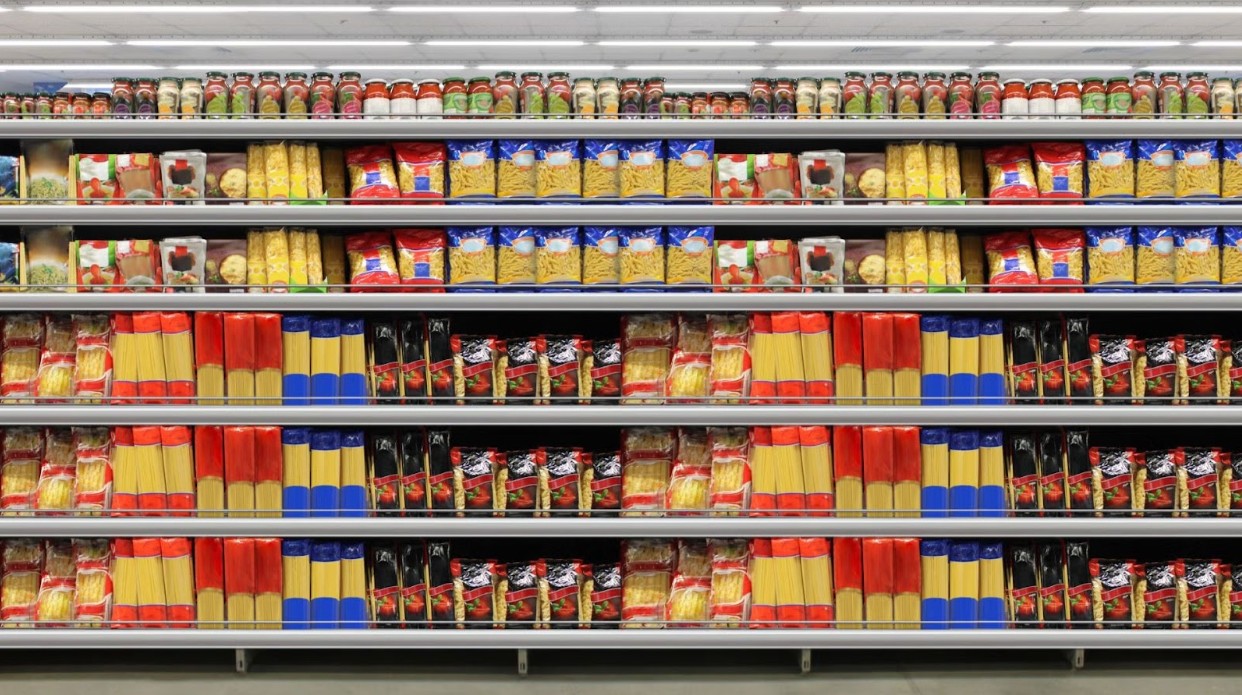
Packaging design plays a decisive role in purchasing decisions, making it one of the most powerful tools within consumer packaging. In crowded retail environments, packaging often serves as the primary brand touchpoint at the moment of choice.
Design elements such as color, typography, material texture, and layout directly influence perception. Minimalist designs convey transparency and premium quality, while bold graphics attract attention and communicate energy or innovation. Regardless of style, consistency and clarity are critical.
Product marking is an essential but often overlooked component of design. Date codes, lot numbers, and regulatory information must be present without detracting from the overall aesthetic. Poorly placed or inconsistent codes can undermine even the strongest packaging design.
Well-executed packaging design also supports brand storytelling. Clear labeling, sustainability messaging, and digital touchpoints reinforce trust and engagement. When packaging design aligns with brand values and operational excellence, it becomes a measurable driver of sales growth and customer loyalty.
The Bigger Picture
The consumer packaging industry is at a pivotal moment. Sustainability, eco-friendly solutions, digital transformation, and design-driven differentiation are converging to reshape how packaging is created and consumed.
Brands that view packaging as a strategic investment rather than a cost center are better equipped to respond to change. By aligning packaging innovation with operational efficiency and consumer expectations, manufacturers can build resilient, future-ready packaging systems.
As trends continue to evolve, the most successful players in the consumer packaging industry will be those that embrace flexibility, precision, and forward-thinking design—turning packaging into a competitive advantage rather than a constraint.
Contact REA JET to explore how agile coding and marking can unlock your packaging potential.