Introduction to Coding and Marking Solutions
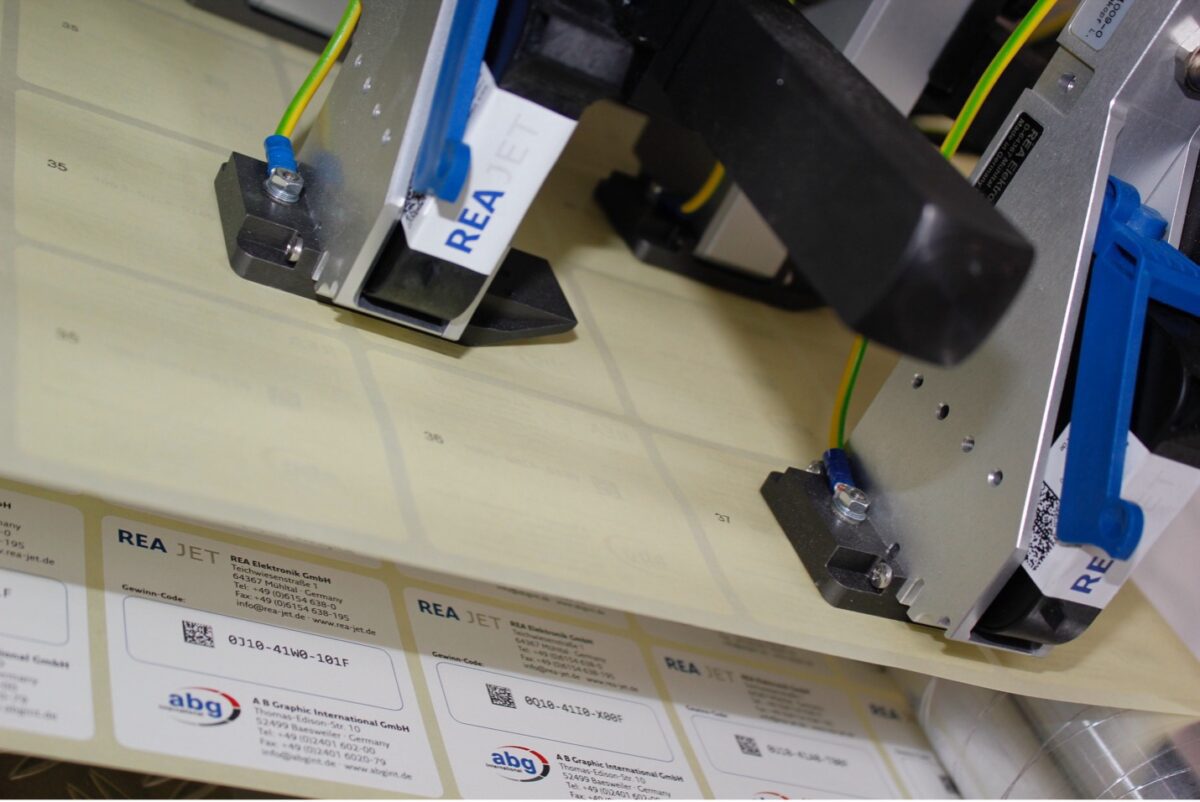
In modern manufacturing, speed and accuracy are everything. Coding and marking printers play a crucial role in maintaining that precision by printing essential information—like batch numbers, expiration dates, barcodes, and lot codes—directly onto products or packaging.
From food and beverage items to pharmaceuticals and industrial components, these printers ensure every item can be traced, tracked, and verified. Reliable coding and marking systems not only keep operations compliant but also enhance brand credibility and production efficiency.
Benefits of Industrial Coding and Marking Technology
Using an industrial coding printer provides measurable advantages across production environments.
Key benefits include:
- High-Speed Performance: Designed to integrate seamlessly into fast-moving production lines without slowing throughput.
- Versatile Printing Capabilities: Can mark on various substrates, including metal, plastic, glass, and paperboard.
- Enhanced Compliance: Supports GS1, FDA, and ISO labeling standards through accurate date, time, and lot coding.
- Reduced Downtime: Many modern printers feature quick-change cartridges, self-cleaning printheads, and smart fault detection.
For industries where accuracy and traceability are non-negotiable, industrial coding printers provide the reliability manufacturers depend on.
How Coding and Marking Technology Improves Product Traceability
Traceability is vital for quality assurance, recalls, and consumer safety. A reliable coding and marking system makes it easy to trace every product back to its source.
By printing unique identifiers—such as serial numbers, barcodes, or 2D codes—these systems create a digital footprint that follows the product throughout its lifecycle. This level of transparency strengthens accountability within the supply chain and simplifies auditing, warranty management, and regulatory compliance.
In short, better coding means better control. Manufacturers can detect issues early, prevent large-scale recalls, and maintain customer trust.
Choosing the Right Coding and Marking Solutions for Your Business
Selecting the right industrial coding printer depends on your production speed, surface materials, and required print resolution.
Common options include:
- Continuous Inkjet (CIJ): Ideal for high-speed, non-contact printing on curved or irregular surfaces.
- Thermal Inkjet (TIJ): Perfect for crisp, high-resolution text or barcodes on cartons and labels.
- Laser Coders: Best for permanent, high-contrast markings on metal, glass, or hard plastics.
Before investing, consider your production environment—temperature, humidity, dust levels—and ensure the printer supports your future scalability needs.
Maintenance Tips for Coding and Marking Technology
Consistent maintenance is key to maximizing uptime. Regularly clean nozzles, replace filters as recommended, and use manufacturer-approved inks or solvents. Schedule preventive maintenance to minimize costly repairs and keep print quality consistent.
For advanced printers, software diagnostics can monitor printhead health and alert operators before performance drops. A clean, calibrated system ensures every mark remains sharp, legible, and compliant.
Cost-Effective Solutions for Industrial Coding and Marking Needs
Efficiency doesn’t always mean expensive equipment. Many modern coding and marking printers offer smart design features—modular components, low-consumption ink systems, and cloud-based monitoring—to reduce operating costs.
Partnering with a reputable provider ensures you get expert guidance, ongoing technical support, and scalable options that grow with your production demands.
By investing in reliable coding and marking systems, manufacturers can achieve the perfect balance of performance, cost control, and long-term efficiency.
Contact REA JET to explore how agile coding and marking can unlock your packaging potential.