
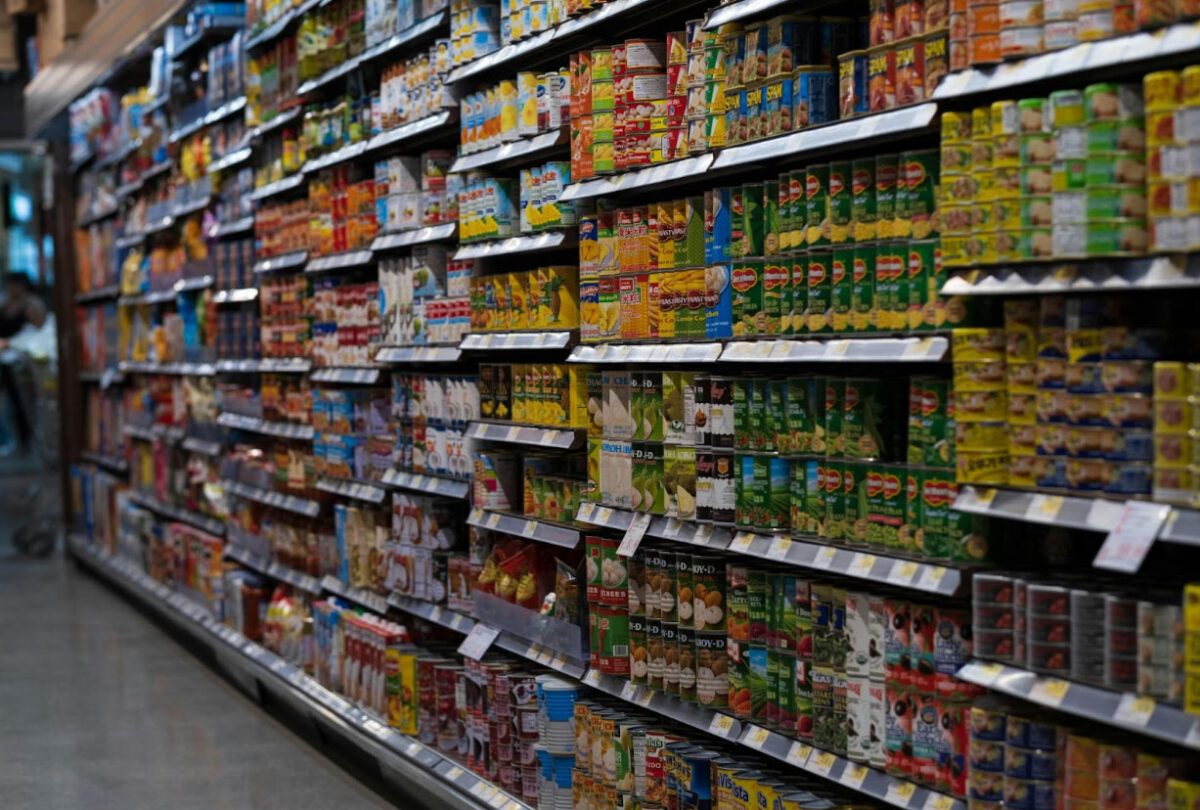
Understanding the modern CPG consumer is essential for brands competing in today’s fast-moving retail landscape. Consumer expectations are shifting rapidly driven by digital engagement, sustainability awareness, convenience, and transparency. At the same time, product marking and packaging identification have become strategic tools that directly influence trust, compliance, and brand perception.
From packaged consumer goods on grocery shelves to direct-to-consumer shipments, effective marking ensures products are traceable, authentic, and aligned with evolving buyer demands. Below, we explore key insights shaping the CPG consumer landscape and how marking solutions support product success.
The Evolution of Packaged Consumer Goods
The world of packaged consumer goods has transformed dramatically over the past few decades. What began as a focus on mass production and distribution has evolved into a dynamic ecosystem centered on personalization, sustainability, and data transparency.
Today’s CPG consumer expects more than functionality from a packaged good. They want to know where it was made, how it was sourced, and whether it aligns with their values. This shift has elevated packaging and product marking from simple compliance measures to powerful communication tools.
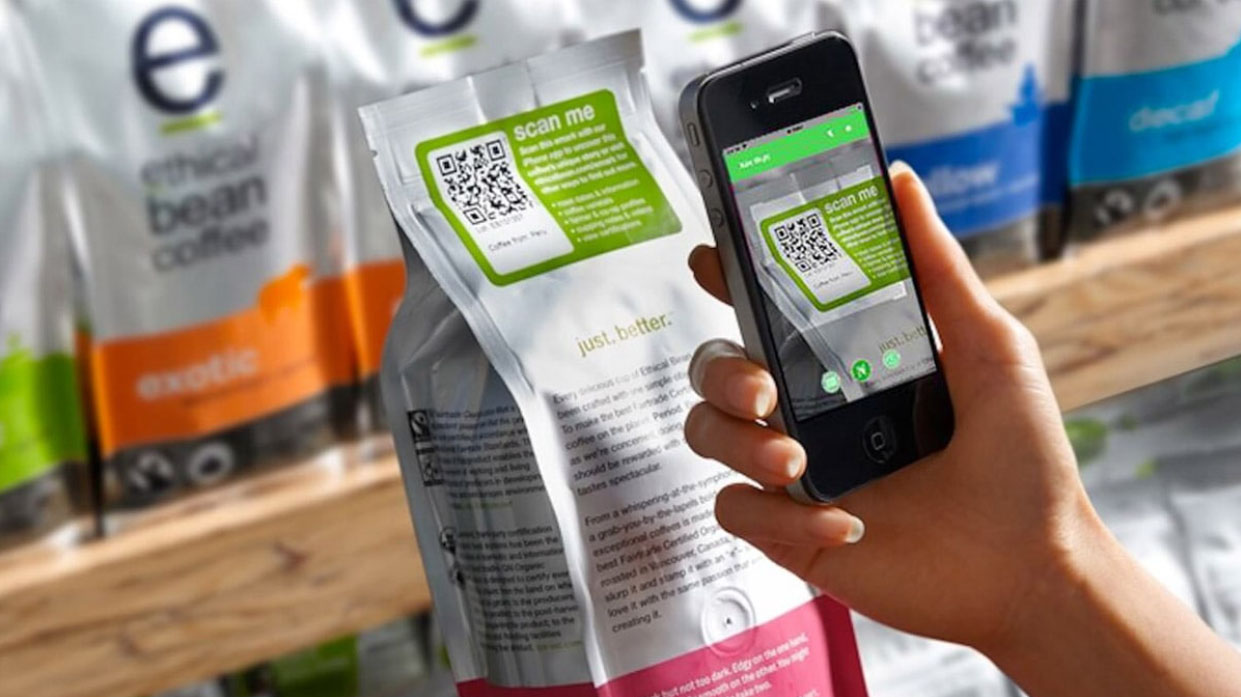
Modern CPG consumer packaged goods now incorporate QR codes, lot tracking systems, and serialized identifiers that provide deeper product insights. These features enhance traceability and enable brands to connect physical products with digital experiences.
As competition intensifies, brands that adapt to these evolving expectations are better positioned to build loyalty and differentiate in crowded categories.

Benefits of CPG Products
CPG consumer product goods deliver convenience, consistency, and accessibility—key drivers behind their global popularity. From food and beverages to personal care and household items, packaged products streamline everyday life.
One major benefit of packaged consumer goods is standardization. Consumers expect the same taste, performance, and quality every time they purchase a product. Effective marking systems help maintain that consistency by ensuring accurate batch tracking and quality control.
Traceability is another advantage. In the event of recalls or quality issues, precise product marking enables manufacturers to identify affected batches quickly, protecting both consumers and brand reputation.
For retailers and distributors, clearly marked CPG products improve inventory management and reduce shrinkage. Accurate codes allow faster scanning, sorting, and replenishment across supply chains.
Key Players in the Packaged Goods Industry
The packaged goods industry includes manufacturers, suppliers, distributors, retailers, and technology providers. Each stakeholder plays a role in delivering safe, compliant, and attractive products to the CPG consumer.
Manufacturers focus on production efficiency and quality assurance. Suppliers provide raw materials, packaging components, and marking technology. Retailers depend on accurate labeling and traceability to manage shelf space and meet regulatory standards.
Technology partners—including marking and coding solution providers—support the industry by enabling clear identification and compliance. As regulations around labeling, traceability, and anti-counterfeiting expand, these partnerships become increasingly critical.
Collaboration among key players ensures that packaged consumer goods move smoothly from production to point of sale while meeting the expectations of the modern CPG consumer.
Trends Shaping CPG Consumer Purchases
Several powerful trends are shaping how CPG consumers make purchasing decisions.
Transparency and Traceability
Consumers want to verify ingredients, sourcing, and authenticity. Digital codes on packaging allow brands to provide detailed product information instantly.
Convenience and Speed
Smaller packaging formats, ready-to-use products, and clear labeling support fast decision-making at the shelf.
Digital Engagement
Smart packaging elements connect physical products to digital platforms. This enhances brand storytelling and provides measurable engagement data.
Health and Sustainability Awareness
Consumers increasingly evaluate environmental impact and ingredient integrity before purchasing. Clear, compliant product marking reinforces trust and accountability.
These trends make product marking a strategic component of marketing and operations. It ensures that CPG consumer packaged goods meet both regulatory and emotional expectations.
Sustainable Packaging Solutions
Sustainability is no longer optional in the packaged goods industry. The modern CPG consumer expects environmentally responsible packaging and transparent communication around sustainability efforts.
Brands are adopting recyclable materials, lightweight packaging, and reduced ink usage to minimize environmental impact. However, sustainable materials often require advanced marking solutions capable of maintaining legibility without compromising recyclability.
Clear labeling about recycling instructions and environmental certifications further strengthens brand trust. By aligning marking strategies with sustainability goals, companies demonstrate responsibility while maintaining operational efficiency.
Sustainable packaging solutions not only appeal to consumers but also help organizations meet evolving regulatory requirements.
Marketing Strategies for CPG Brands
Marketing strategies in the CPG space increasingly rely on packaging as a primary communication channel. In many cases, the package itself is the most influential marketing asset at the point of purchase.
Effective marking supports marketing in several ways:
- Ensures consistent branding across product lines
- Enables limited editions or regional campaigns through variable data
- Supports promotions and digital engagement via QR codes
- Reinforces authenticity through serialization
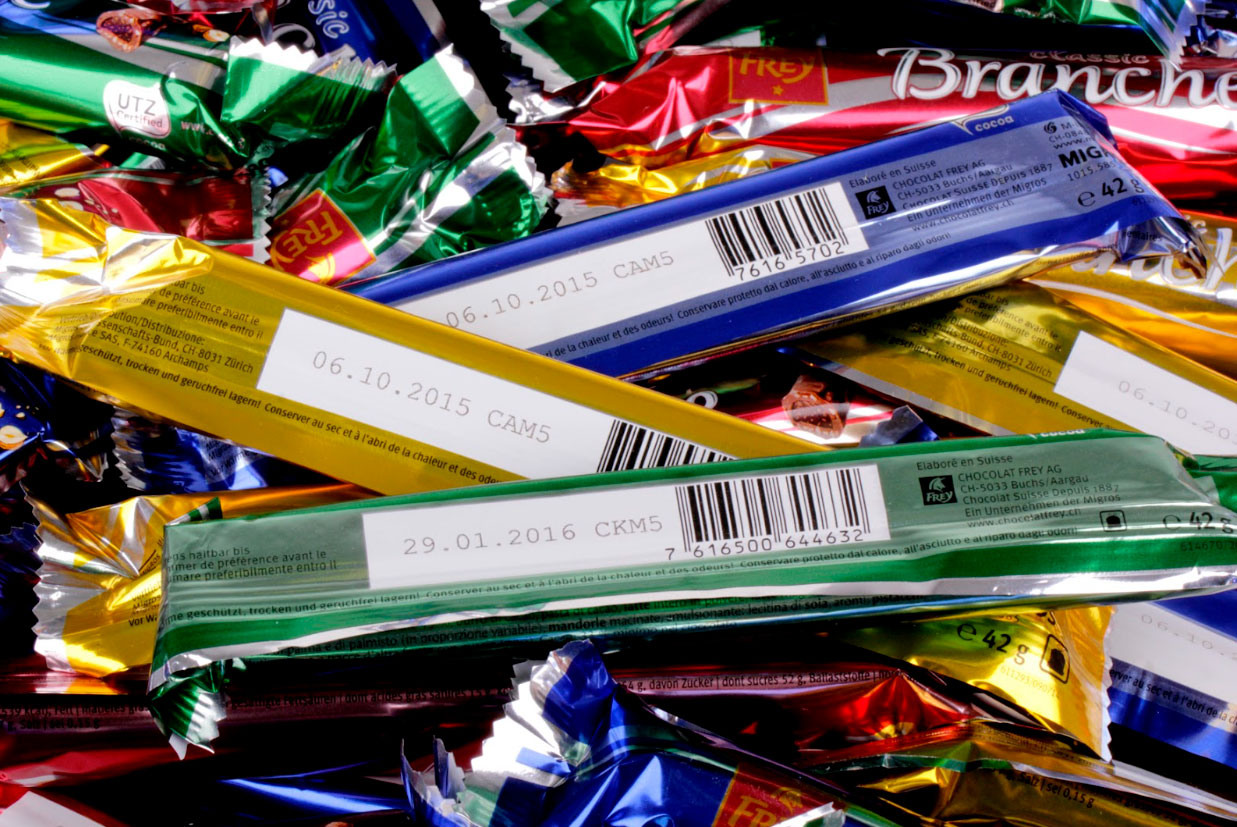
For the CPG consumer, trust and clarity influence loyalty. Clear date codes, readable batch numbers, and well-integrated digital elements signal professionalism and quality.
By aligning product marking with broader marketing objectives, CPG brands can boost shelf impact, strengthen compliance, and improve long-term performance.
Conclusion
The modern CPG consumer expects transparency, convenience, sustainability, and digital connectivity. Packaged consumer goods that meet these expectations gain a competitive edge in crowded markets.
Effective product marking is a foundational component of this success. It enhances traceability, supports regulatory compliance, strengthens brand trust, and enables digital engagement. As the packaged goods industry continues to evolve, companies that integrate advanced marking solutions into their strategy will be best positioned to drive product success and build lasting consumer relationships.
Contact REA JET to explore how agile coding and marking can unlock your packaging potential.