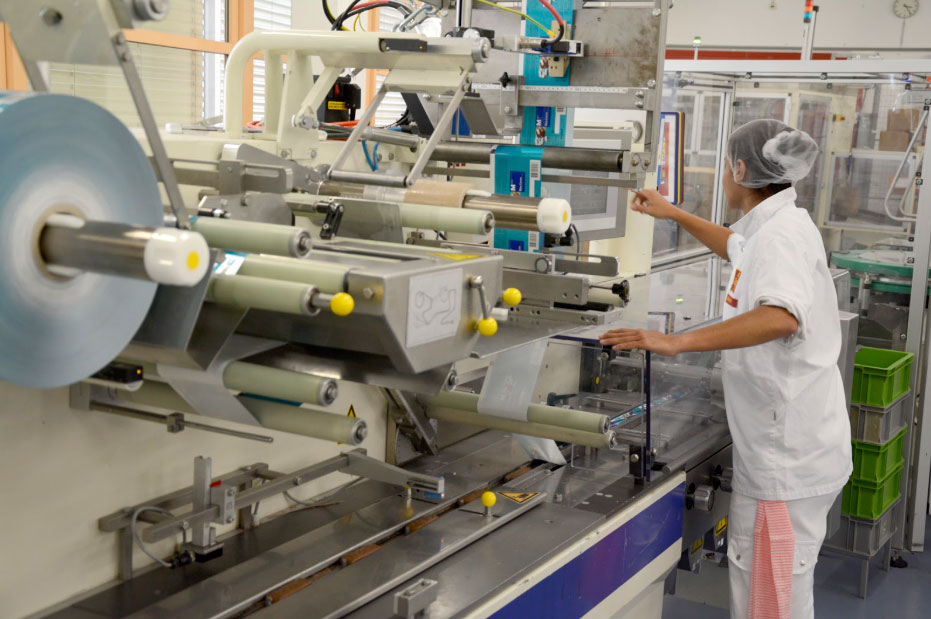
In modern manufacturing environments, speed, accuracy, and flexibility are essential. Inkjet coding equipment has become one of the most widely adopted solutions for product marking because it meets these demands across a wide range of industries. From printing date codes and lot numbers to applying complex variable data, inkjet technology supports efficient, compliant, and scalable operations.
As production lines become faster and product lifecycles shorter, manufacturers need marking solutions that can keep pace without sacrificing quality. Inkjet coding equipment offers a proven balance of performance, reliability, and adaptability—making it a cornerstone of today’s product marking strategies.
The Benefits of Inkjet Coding
One of the primary advantages of inkjet coding equipment is its versatility. Inkjet systems can mark on virtually any surface, including plastics, glass, metal, paperboard, and flexible packaging. This makes them ideal for manufacturers handling multiple substrates or frequent product changes.
Speed is another major benefit. Inkjet coding systems are designed to operate at high line speeds without direct contact with the product. This non-contact approach reduces the risk of damage while allowing codes to be applied consistently, even on uneven or curved surfaces.
Inkjet coding equipment also excels at variable data printing. Manufacturers can easily change dates, batch numbers, shift codes, and serial information in real time. This capability is critical for traceability, recalls, and regulatory compliance, particularly in industries such as food, beverage, pharmaceuticals, and consumer packaged goods.
Finally, inkjet systems offer a strong return on investment. With relatively low operating costs, minimal consumables, and long service life, they provide dependable performance without excessive maintenance or downtime.
How Inkjet Printers Work
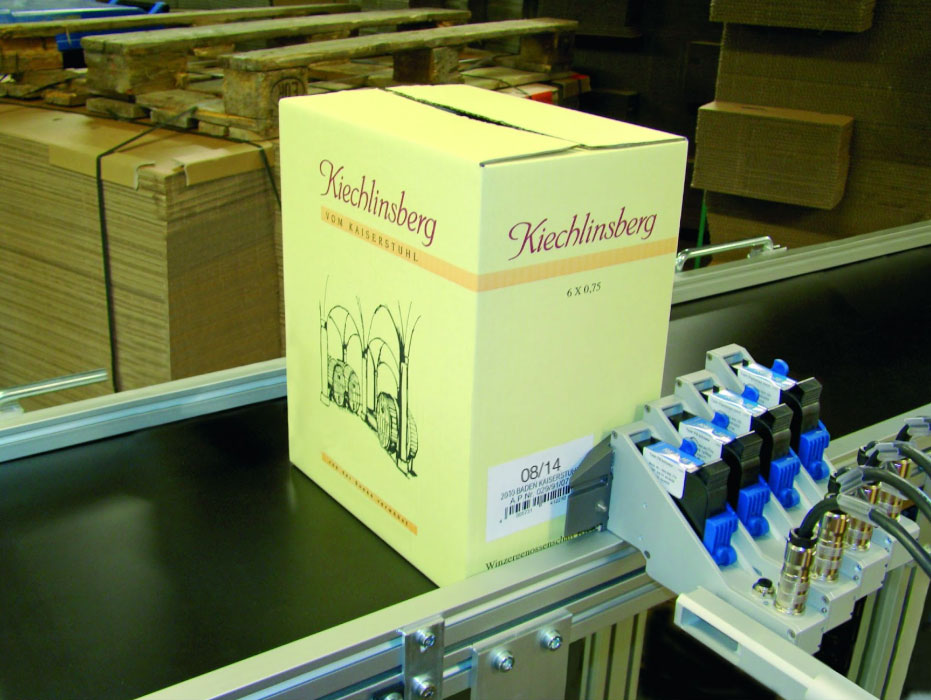
Understanding how inkjet printers work helps explain why they are so effective for industrial coding applications. At a basic level, inkjet coding equipment propels tiny droplets of ink through a printhead to form characters, symbols, or codes on a product or package.
In continuous inkjet systems, ink droplets are generated at high frequency and electrically charged. These charged droplets are then deflected to create the desired characters, while unused droplets are recirculated. This process allows for extremely fast printing and reliable operation in demanding environments.
Ink formulation also plays a critical role. Industrial inks are engineered for specific substrates and conditions, offering properties such as fast drying, strong adhesion, high contrast, and resistance to heat, moisture, or abrasion.
Advanced controllers and software manage the entire process, allowing operators to adjust print parameters, store templates, and integrate coding systems with production line controls. This combination of precision mechanics and intelligent software is what makes inkjet coding equipment so effective at scale.
Choosing the Right Inkjet Equipment
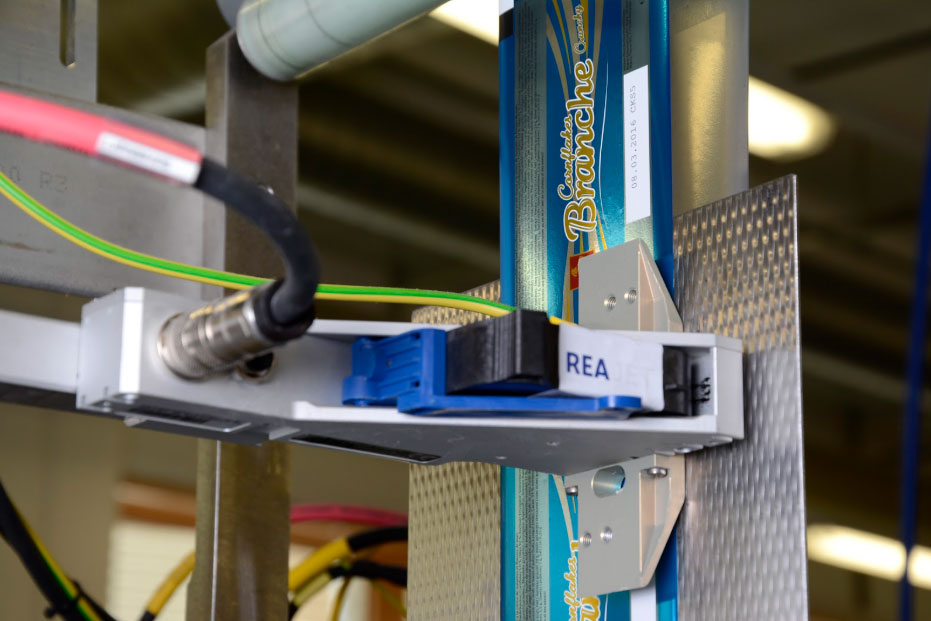
Selecting the right inkjet coding equipment requires a clear understanding of production requirements. Factors such as line speed, substrate type, code content, and environmental conditions all influence the best choice.
Manufacturers should start by evaluating what needs to be printed—simple date codes, multi-line text, logos, or serialized data. The complexity of the code will determine resolution and printhead requirements.
Operating environment is another key consideration. Dust, humidity, temperature fluctuations, and washdown conditions can impact performance. Choosing equipment designed for the specific production environment helps ensure consistent results and reduces unplanned downtime.
Integration is equally important. Inkjet coding equipment should communicate seamlessly with upstream and downstream systems, including packaging machines, databases, and quality control tools. This connectivity supports automation, error reduction, and centralized management across multiple lines or facilities.
Inkjet Coding Applications
Inkjet coding equipment is used across a wide range of industries due to its flexibility and reliability. In the food and beverage sector, it is commonly used to apply expiration dates, lot codes, and production identifiers on bottles, cans, cartons, and flexible packaging.
In pharmaceuticals and medical devices, inkjet systems support strict traceability and compliance requirements by printing precise codes on primary and secondary packaging. High-resolution output ensures readability throughout the product lifecycle.
Consumer goods manufacturers rely on inkjet coding for branding, promotional messaging, and variable data. The ability to change codes instantly makes inkjet systems ideal for short runs, seasonal products, and personalized packaging.
Even in industrial and automotive settings, inkjet coding equipment is used to mark components with part numbers, batch data, or tracking information, supporting quality control and supply chain visibility.
Maintenance Tips for Inkjet Printers
Proper maintenance is essential to maximize the lifespan and performance of inkjet coding equipment. While modern systems are designed for reliability, routine care helps prevent issues before they disrupt production.
Regular cleaning of printheads is one of the most important tasks. Ink residue or debris can affect print quality if left unaddressed. Many systems include automated cleaning cycles that simplify this process.
Monitoring ink and solvent levels is also critical. Using the correct consumables and replacing them on schedule ensures consistent print quality and protects internal components.
Operators should also inspect filters, pumps, and seals periodically to identify wear or blockages. Keeping software up to date helps maintain compatibility, security, and access to the latest features.
By following a proactive maintenance plan, manufacturers can reduce downtime, extend equipment life, and maintain high-quality product marking day after day.
Conclusion
Inkjet coding equipment remains one of the most reliable and adaptable solutions for product marking in modern manufacturing. Its ability to handle high speeds, diverse substrates, and variable data makes it an essential tool for efficiency, compliance, and traceability.
As production demands continue to evolve, manufacturers that invest in the right inkjet coding equipment—and maintain it properly—will be well positioned to meet future challenges while protecting product quality and brand integrity.
Contact REA JET to explore how agile coding and marking can unlock your packaging potential.
 Or call 440-232-0555
Featured Coding & Marking Technologies View all
Most-requested coding & marking systems.
- 01 Large Character Inkjet Printers (DOD) Direct-to-product marking for cases, pallets, lumber, building materials and other porous surfaces
- 02 High-Resolution Inkjet Printers Print sharp text, logos, barcodes and 2D codes directly on products and packaging
- 03 Laser Systems Permanent, maintenance-free marking for traceability, compliance and product identification
- 04 Barcode Verification Systems Verify barcode quality and readability to meet retailer, GS1 and customer requirements
- 05 Small Character Inkjet Print date, lot, batch and traceability codes for production lines and packaging
- 06 Spray Mark Technology Reliable product identification and defect marking for manufacturing and industrial processes