
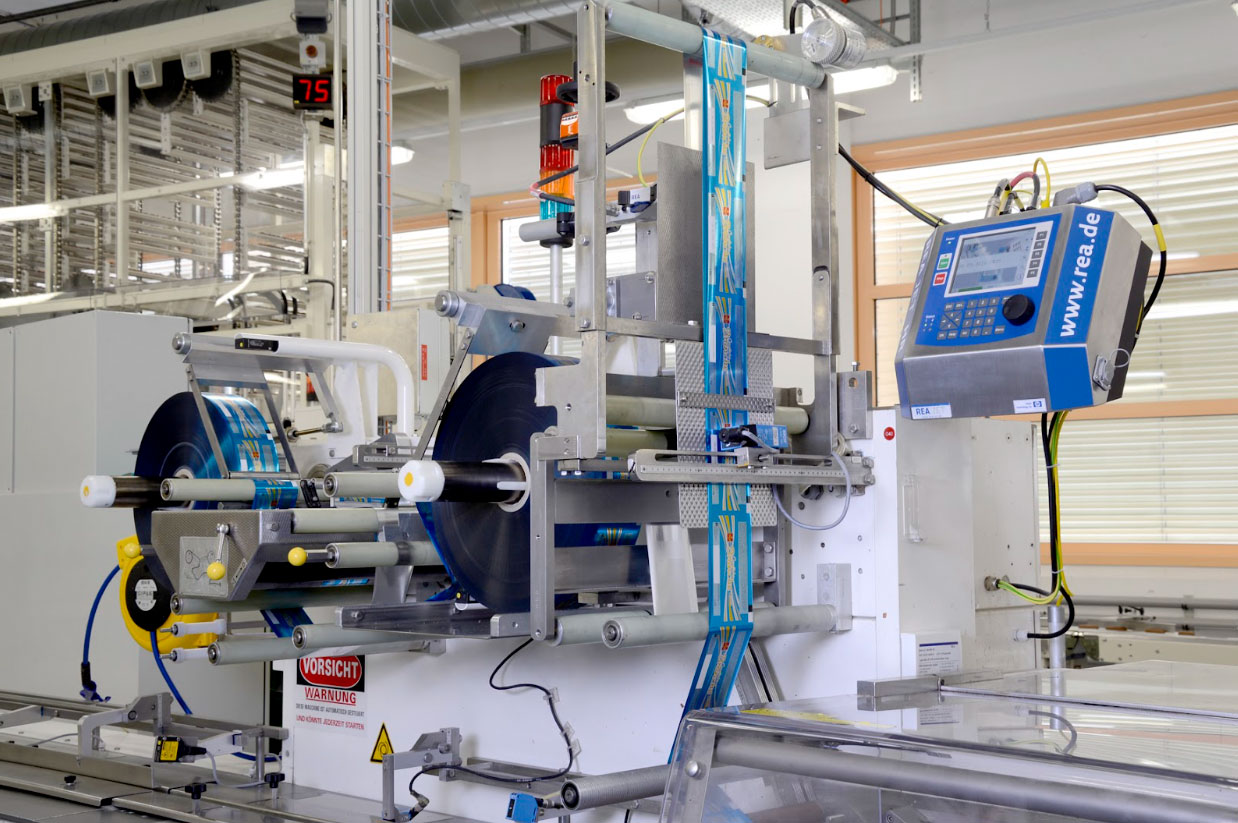
The modern manufacturing landscape is evolving rapidly, and consumer packaged goods technology is at the center of that transformation. From automation and advanced marking systems to data analytics and smart packaging, technology is redefining how CPG companies operate, compete, and grow.
Today’s manufacturers face increasing pressure to produce faster, comply with stricter regulations, manage complex supply chains, and meet rising consumer expectations. Leveraging the right consumer packaged goods technology allows organizations to increase efficiency, enhance traceability, and build stronger connections with customers.
Below, we explore how CPG technology has evolved, the benefits it delivers, and how companies can implement innovative solutions for long-term success.
The Evolution of CPG Technology
The CPG industry has progressed from manual processes and isolated systems to highly automated, data-driven operations. Early production lines relied heavily on labor-intensive workflows, mechanical labeling, and limited traceability.
The introduction of automation, high-speed packaging equipment, and digital coding systems marked a turning point. Consumer packaged goods technology expanded to include real-time data monitoring, enterprise resource planning (ERP) integration, and advanced product identification tools.
Today, Industry 4.0 principles are shaping CPG manufacturing. Smart factories integrate connected equipment, cloud-based platforms, and predictive analytics to optimize production. This evolution has shifted technology from a support function to a strategic driver of competitive advantage.
Key Benefits for CPG Companies
Adopting advanced consumer packaged goods technology delivers measurable benefits across operations.
Operational Efficiency:
Automation reduces manual intervention, minimizes errors, and increases throughput. High-speed coding and marking systems ensure accurate product identification without slowing production.
Regulatory Compliance:
Stricter labeling and traceability requirements demand precise product coding. Modern CPG technology supports serialization, batch tracking, and digital documentation to meet compliance standards.
Cost Reduction:
Improved efficiency and reduced waste lower overall operational costs. Predictive maintenance tools help prevent unexpected downtime and extend equipment lifespan.
Scalability:
Flexible systems allow companies to adapt quickly to new SKUs, packaging formats, or regulatory updates, supporting business growth without major disruptions.
These benefits collectively strengthen operational resilience and profitability.
Trends Shaping the Industry:
Several trends are influencing the adoption of consumer packaged goods technology.
Digital Integration:
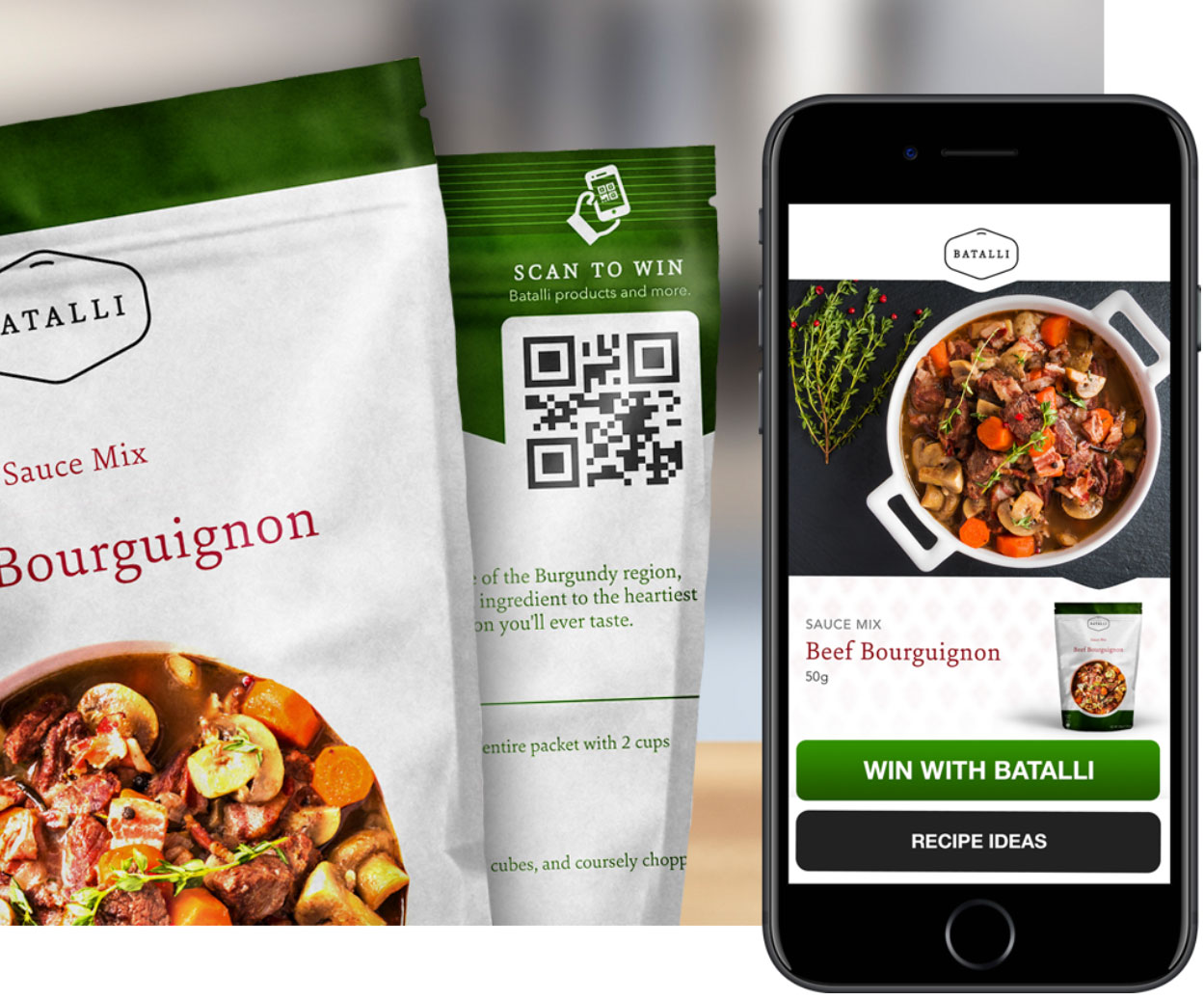
Smart packaging elements such as QR codes and 2D barcodes connect products to digital platforms, enhancing transparency and engagement.
Sustainability:
Eco-friendly materials and reduced packaging waste require adaptable marking and coding solutions capable of maintaining clarity on new substrates.
Customization:
Shorter product lifecycles and personalized packaging demand flexible production systems that can manage variable data efficiently.
Automation and Robotics:
Robotic handling and automated inspection systems improve speed and consistency, reducing labor dependency.
These trends highlight the importance of investing in technology that supports agility and innovation.
Improving Supply Chain Efficiency
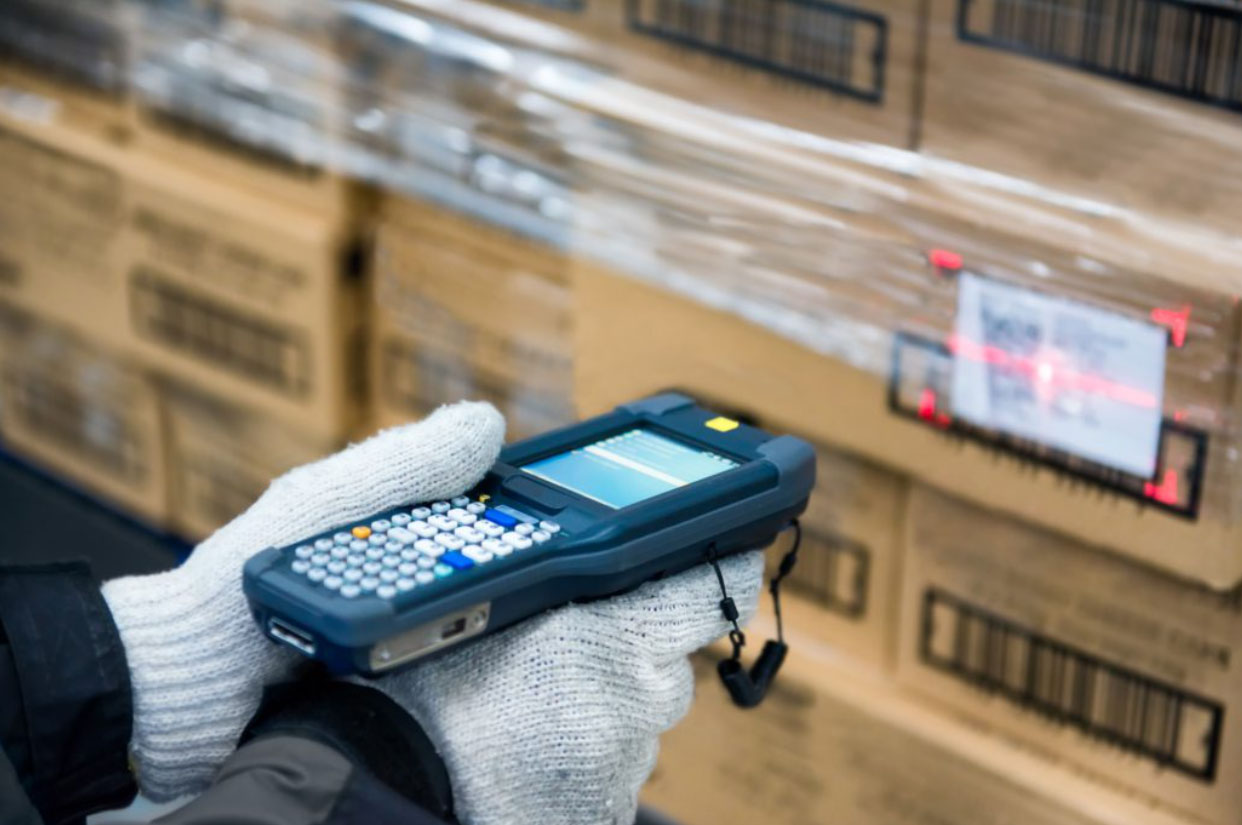
Supply chain complexity continues to grow as companies expand globally and diversify product lines. Consumer packaged goods technology plays a critical role in improving visibility and coordination across this network.
Advanced coding systems enable unit-level traceability, allowing products to be tracked from manufacturing to retail. Real-time data sharing between production facilities, warehouses, and distributors enhances accuracy and reduces delays.
Integrated software platforms provide centralized oversight, helping companies identify bottlenecks, forecast demand, and optimize inventory management. By aligning technology with supply chain strategy, CPG companies can reduce risk and improve service levels.
Enhancing Customer Experience
Customer expectations are evolving rapidly. Today’s consumers value transparency, authenticity, and convenience. Consumer packaged goods technology helps brands deliver on these expectations.
Smart packaging solutions allow consumers to scan products for additional information, including sourcing details, sustainability credentials, and usage instructions. This level of transparency builds trust and strengthens brand perception.
Consistent, high-quality product marking also reinforces professionalism. Clear expiration dates, batch codes, and certification marks demonstrate attention to detail and commitment to safety.
Ultimately, technology enables brands to transform packaging from a static container into an interactive, value-added touchpoint.
Leveraging Data for Growth
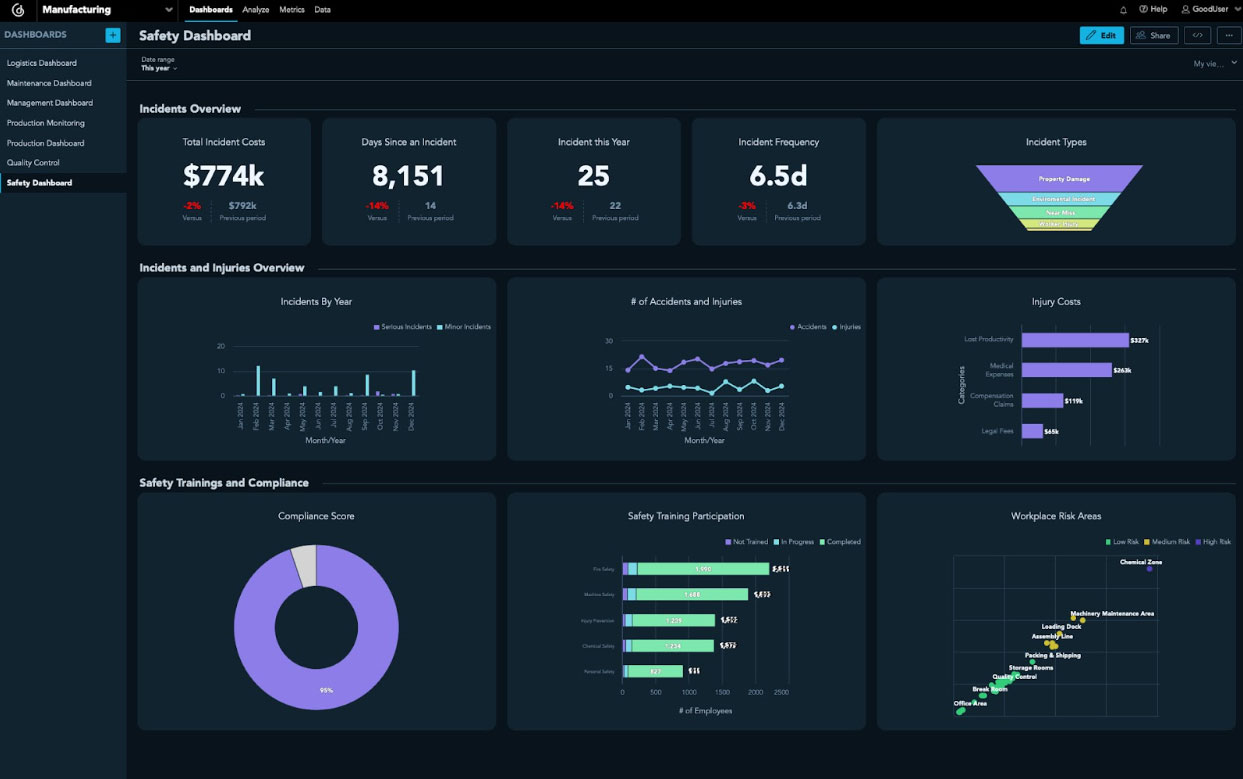
Data is one of the most powerful assets in modern manufacturing. Consumer packaged goods technology generates valuable insights across production, distribution, and consumer engagement.
Real-time production data supports performance monitoring and continuous improvement. Analytics tools help identify inefficiencies, reduce waste, and enhance overall equipment effectiveness (OEE).
On the consumer side, digital codes provide data on engagement patterns and purchasing behavior. Brands can use this information to refine marketing strategies, optimize product launches, and improve demand forecasting.
By leveraging data strategically, CPG companies can drive smarter decision-making and sustained growth.
Implementing Innovative Solutions
Successfully implementing consumer packaged goods technology requires a clear roadmap.
Assess Current Capabilities:
Evaluate existing equipment, software, and workflows to identify gaps and opportunities.
Prioritize Integration:
Ensure new systems integrate seamlessly with ERP, quality control, and supply chain platforms.
Train Teams Effectively:
Employee training is essential to maximize the value of advanced technology.
Focus on Scalability:
Select solutions that can grow alongside business expansion and evolving regulatory requirements.
Partner with Reliable Providers:
Strong technical support and service capabilities reduce risk during implementation and ongoing operation.
By approaching implementation strategically, CPG manufacturers can unlock the full potential of technological innovation.
Conclusion
Consumer packaged goods technology is no longer optional—it is fundamental to manufacturing success. From automation and traceability to digital engagement and data analytics, advanced systems empower CPG companies to operate more efficiently and competitively.
As industry demands continue to evolve, organizations that invest in flexible, connected, and forward-thinking technology will be better positioned to meet consumer expectations and drive long-term growth.
Contact REA JET to explore how agile coding and marking can unlock your packaging potential.
 Or call 440-232-0555
Featured Coding & Marking Technologies View all
Most-requested coding & marking systems.
- 01 Large Character Inkjet Printers (DOD) Direct-to-product marking for cases, pallets, lumber, building materials and other porous surfaces
- 02 High-Resolution Inkjet Printers Print sharp text, logos, barcodes and 2D codes directly on products and packaging
- 03 Laser Systems Permanent, maintenance-free marking for traceability, compliance and product identification
- 04 Barcode Verification Systems Verify barcode quality and readability to meet retailer, GS1 and customer requirements
- 05 Small Character Inkjet Print date, lot, batch and traceability codes for production lines and packaging
- 06 Spray Mark Technology Reliable product identification and defect marking for manufacturing and industrial processes