
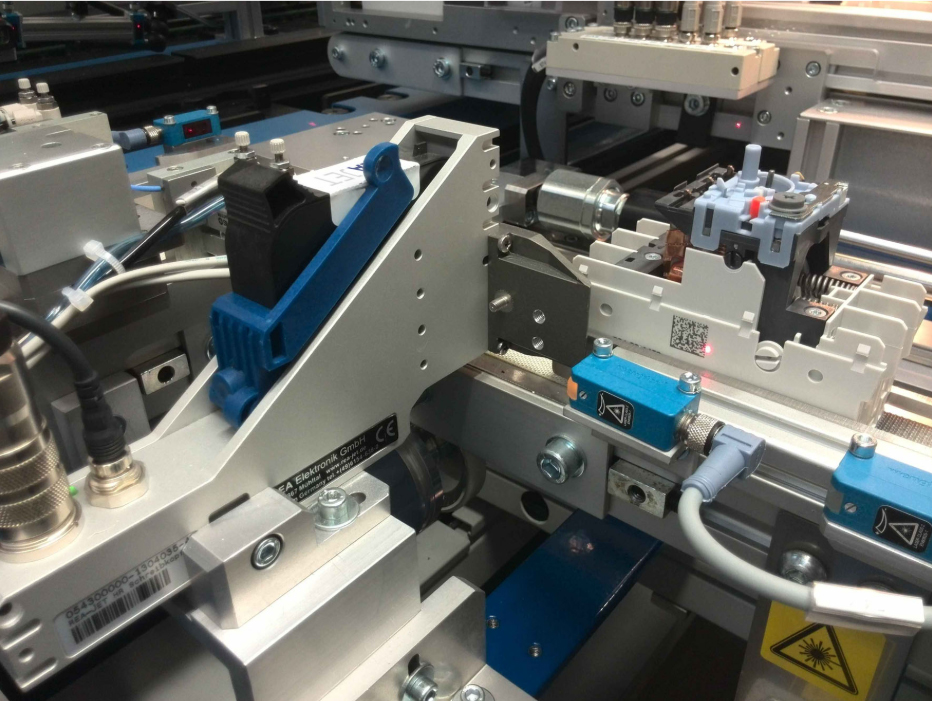
As global supply chains become increasingly interconnected and regulatory requirements continue to evolve, manufacturers face growing pressure to improve product traceability, combat counterfeiting, and maintain compliance across their operations.
Serialization has emerged as one of the most effective tools for achieving these objectives.
By assigning a unique identifier to every individual product, manufacturers gain the ability to track products throughout their entire lifecycle—from production and packaging to distribution, retail, and end use. Serialization provides the foundation for modern traceability programs and supports compliance initiatives across industries including pharmaceuticals, medical devices, food and beverage, consumer packaged goods, automotive manufacturing, electronics, and industrial products.
However, implementing serialization requires more than simply adding unique codes to products. Successful programs depend on thoughtful planning, scalable technology, cross-functional coordination, and long-term strategic alignment.
Developing effective Serialization Strategies for Manufacturing allows organizations to maximize the value of serialization while minimizing implementation challenges.
This guide explores serialization fundamentals, compliance drivers, implementation best practices, and strategic considerations for building a successful serialization program.
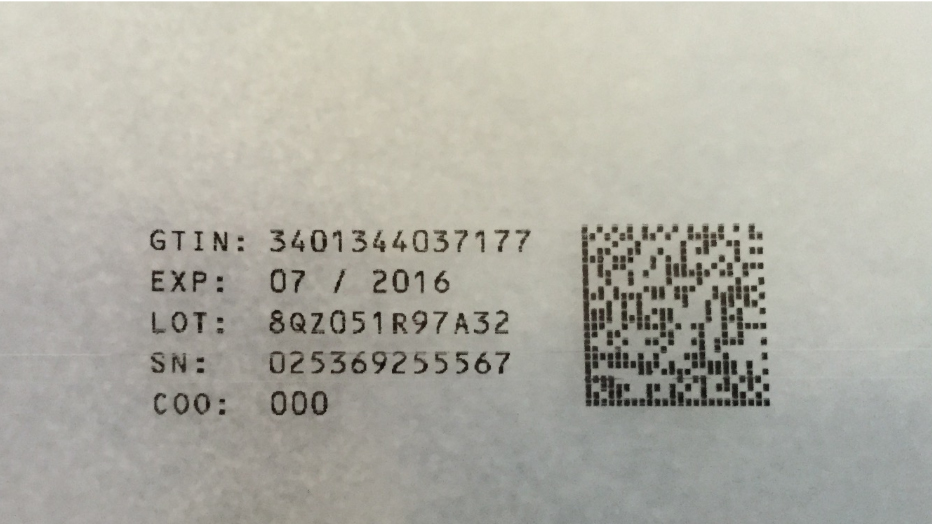
Serialization is the process of assigning a unique identifier to an individual product, component, package, or unit.
Unlike traditional lot or batch coding, which identifies groups of products, serialization creates a unique identity for each item.
A serialized code may include:
- Unique serial number
- Product identifier
- Batch or lot number
- Manufacturing information
- Expiration date
- Production location
These identifiers are typically encoded in machine-readable formats such as:
- Data Matrix codes
- QR codes
- GS1 Digital Link codes
- Barcodes
The result is a digital record that enables manufacturers to track individual products throughout the supply chain.
Effective product serialization in manufacturing supports traceability, authentication, quality control, and regulatory compliance.
Why Serialization Is Becoming Essential
Serialization has evolved from a regulatory requirement in certain industries to a strategic business initiative across manufacturing sectors.
Several factors are driving adoption.
Increasing Regulatory Requirements
Governments worldwide continue introducing regulations that require enhanced product traceability.
Examples include:
- Drug Supply Chain Security Act (DSCSA)
- FDA Unique Device Identification (UDI)
- European Falsified Medicines Directive (FMD)
- Food traceability regulations
- Industry-specific compliance mandates
Manufacturers must implement systems capable of meeting evolving reporting and traceability requirements.
Counterfeit Prevention
Counterfeit products create significant risks for manufacturers and consumers.
Serialization helps organizations:
- Authenticate products
- Identify suspicious activity
- Reduce diversion
- Protect brand reputation
By providing unique identifiers for every item, serialization creates a powerful defense against counterfeit goods entering legitimate supply chains.
Supply Chain Visibility
Modern supply chains often involve:
- Multiple manufacturing sites
- Contract manufacturers
- Packaging facilities
- Distribution centers
- Retail networks
Serialization improves visibility across these complex networks.
Manufacturers can track products more accurately and respond quickly to disruptions or quality issues.
Improved Recall Management
When recalls become necessary, serialization enables precise product identification.
Instead of recalling entire production lots, organizations can often isolate specific products affected by an issue.
This reduces:
- Recall costs
- Product waste
- Business disruption
- Customer impact
Building a Manufacturing Serialization Strategy
Successful serialization initiatives begin with strategic planning.
A comprehensive manufacturing serialization strategy should address both current requirements and future business needs.
Organizations should evaluate:
- Compliance requirements
- Product types
- Production environments
- Supply chain complexity
- Data management needs
- Growth objectives
Serialization should be viewed as a long-term business initiative rather than a standalone technology project.
Establishing Serialization Objectives
Before selecting technology or implementing systems, manufacturers should define clear objectives.
Common goals include:
Regulatory Compliance
Many organizations begin serialization projects to satisfy industry regulations.
Compliance objectives may involve:
- Product tracking
- Electronic reporting
- Serialization requirements
- Verification capabilities
Product Authentication
Serialization can help verify product authenticity throughout the supply chain.
This capability supports:
- Brand protection
- Counterfeit prevention
- Consumer confidence
Operational Visibility
Serialized products generate valuable supply chain data.
Organizations can use this information to improve:
- Inventory management
- Distribution planning
- Production analysis
- Quality control
Customer Requirements
Many manufacturers implement serialization to meet customer expectations.
Retailers, distributors, and healthcare organizations increasingly demand enhanced traceability and transparency.
Serialization Planning for Manufacturers
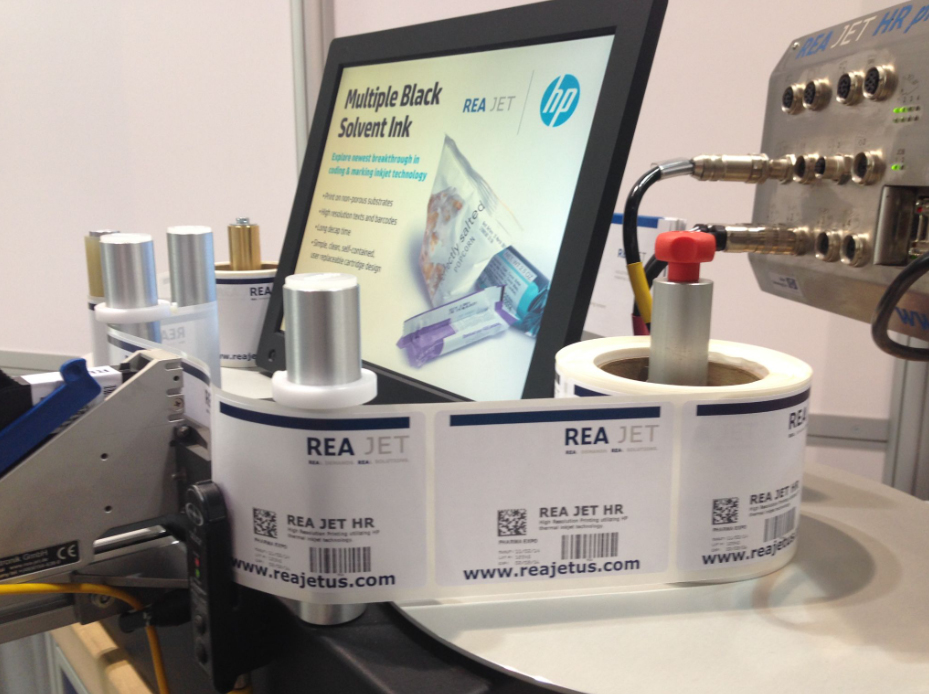
Effective serialization planning for manufacturers requires evaluating several key areas.
Product-Level Requirements
Different products may require different serialization approaches.
Questions to consider include:
- What information must be encoded?
- Which code format is required?
- What level of permanence is needed?
- What regulatory standards apply?
Understanding product requirements helps guide technology selection.
Packaging Hierarchies
Many serialization programs extend beyond individual products.
Manufacturers often serialize:
- Individual units
- Inner packs
- Cases
- Pallets
Establishing parent-child relationships between packaging levels improves traceability throughout the supply chain.
Data Architecture
Serialization generates significant amounts of data.
Manufacturers must establish systems capable of:
- Generating serial numbers
- Managing records
- Storing transaction history
- Supporting reporting requirements
A strong data architecture is critical to long-term success.
Supply Chain Integration
Serialization is most effective when information flows seamlessly across supply chain partners.
Organizations should evaluate how data will be shared with:
- Distributors
- Logistics providers
- Retailers
- Regulatory agencies
Integration requirements should be considered early in the planning process.
Core Components of a Serialization Implementation Strategy
A successful serialization implementation strategy includes several foundational elements.
Product Identification Standards
Global standards ensure consistency and interoperability.
Many organizations adopt GS1 standards because they support:
- Global identification
- Supply chain integration
- Regulatory compliance
Standardized approaches simplify implementation and future expansion.
Coding and Marking Technology
Reliable code generation is essential.
Manufacturers commonly use:
- High-resolution inkjet systems
- Laser marking systems
- Thermal inkjet printers
- Labeling systems
The chosen technology must produce readable, durable, and compliant codes.
Vision Inspection Systems
Verification plays a critical role in serialization.
Inspection systems verify that codes are:
- Present
- Accurate
- Readable
- Properly positioned
Automated verification reduces the risk of defective products entering the supply chain.
Software Platforms
Serialization software manages:
- Serial number generation
- Data storage
- Reporting
- Regulatory communication
- Supply chain integration
Selecting scalable software is essential for long-term success.
Enterprise Serialization Strategy Considerations
As organizations expand serialization initiatives, they often require an enterprise serialization strategy that supports multiple facilities, product lines, and markets.
Enterprise-level programs should address:
Global Standardization
Standardized processes improve consistency across locations.
Benefits include:
- Reduced complexity
- Simplified training
- Easier compliance management
Scalability
Serialization requirements continue evolving.
Enterprise systems should support:
- Increased production volumes
- New product introductions
- Additional facilities
- Future regulatory changes
Governance and Data Management
Serialization programs depend on high-quality data.
Organizations should establish governance policies covering:
- Data ownership
- Security
- Access controls
- Change management
Strong governance helps ensure compliance and operational reliability.
Cross-Functional Collaboration
Successful serialization programs require collaboration between:
- Operations
- Quality
- IT
- Supply chain
- Regulatory affairs
- Engineering
Cross-functional involvement helps align objectives and improve implementation outcomes.
Common Serialization Challenges
While serialization offers significant benefits, implementation can be complex.
Common challenges include:
Legacy Equipment Integration
Older production equipment may require upgrades to support serialization.
Manufacturers must evaluate compatibility and integration requirements.
Data Volume Management
Serialization creates large amounts of data.
Organizations need systems capable of managing information efficiently while maintaining performance.
Global Compliance Requirements
Different regions often impose different traceability requirements.
Manufacturers operating internationally must navigate a complex regulatory landscape.
Organizational Change
Serialization frequently impacts workflows, processes, and responsibilities.
Change management plays an important role in successful adoption.
Best Practices for Serialization Program Success
Organizations can improve outcomes by following several best practices.
Start with a Clear Roadmap
Develop a phased implementation plan that aligns with business objectives.
Clearly defined milestones help maintain momentum and reduce risk.
Prioritize Data Quality
Serialization is only as effective as the data supporting it.
Implement controls that ensure:
- Accuracy
- Consistency
- Security
- Traceability
Invest in Verification
Verification systems help maintain compliance and prevent costly errors.
Every serialized code should be inspected before products leave the production line.
Design for Future Growth
A scalable serialization program for manufacturing should accommodate future business and regulatory requirements.
Flexible systems reduce the need for costly upgrades later.
Partner with Experienced Providers
Working with experienced coding, marking, and traceability experts can simplify implementation and improve long-term performance.
Technology partners can help manufacturers avoid common pitfalls and accelerate deployment.
The Future of Manufacturing Serialization
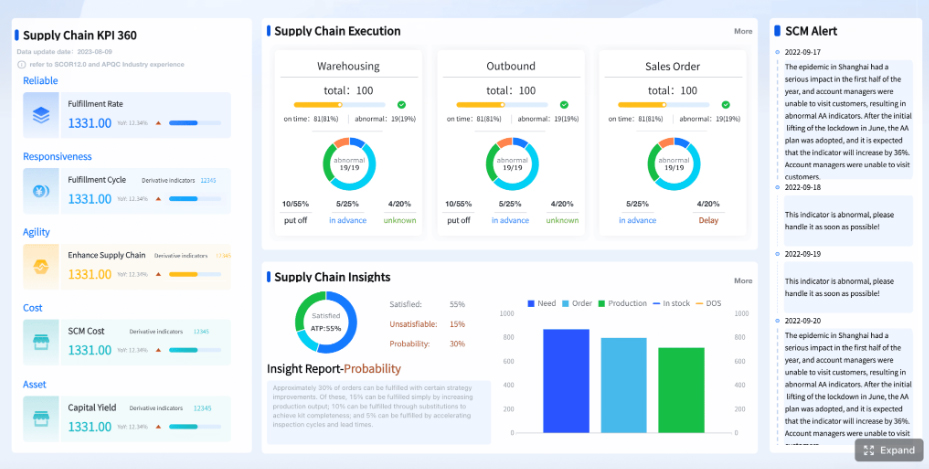
Serialization continues evolving as manufacturers pursue greater visibility and automation.
Emerging trends include:
- GS1 Digital Link adoption
- Advanced 2D barcode implementation
- Real-time supply chain visibility
- Digital product passports
- AI-powered analytics
- Blockchain-enabled verification
As these technologies mature, serialization will become even more valuable as a foundation for connected manufacturing and smart supply chains.
Organizations that invest in robust serialization infrastructure today will be better positioned to adapt to future requirements.
Conclusion
Effective Serialization Strategies for Manufacturing provide far more than regulatory compliance.
Serialization supports product authentication, supply chain visibility, quality management, recall readiness, and long-term operational efficiency.
By developing a comprehensive manufacturing serialization strategy, manufacturers can build scalable systems that support evolving business needs while strengthening traceability throughout the supply chain.
From product identification and verification to enterprise-wide data management, serialization has become a critical component of modern manufacturing operations.
Contact REA JET to learn how advanced coding, marking, verification, and traceability solutions can help support your serialization initiatives and compliance goals.
 Or call 440-232-0555
Featured Coding & Marking Technologies View all
Most-requested coding & marking systems.
- 01 Large Character Inkjet Printers (DOD) Direct-to-product marking for cases, pallets, lumber, building materials and other porous surfaces
- 02 High-Resolution Inkjet Printers Print sharp text, logos, barcodes and 2D codes directly on products and packaging
- 03 Laser Systems Permanent, maintenance-free marking for traceability, compliance and product identification
- 04 Barcode Verification Systems Verify barcode quality and readability to meet retailer, GS1 and customer requirements
- 05 Small Character Inkjet Print date, lot, batch and traceability codes for production lines and packaging
- 06 Spray Mark Technology Reliable product identification and defect marking for manufacturing and industrial processes