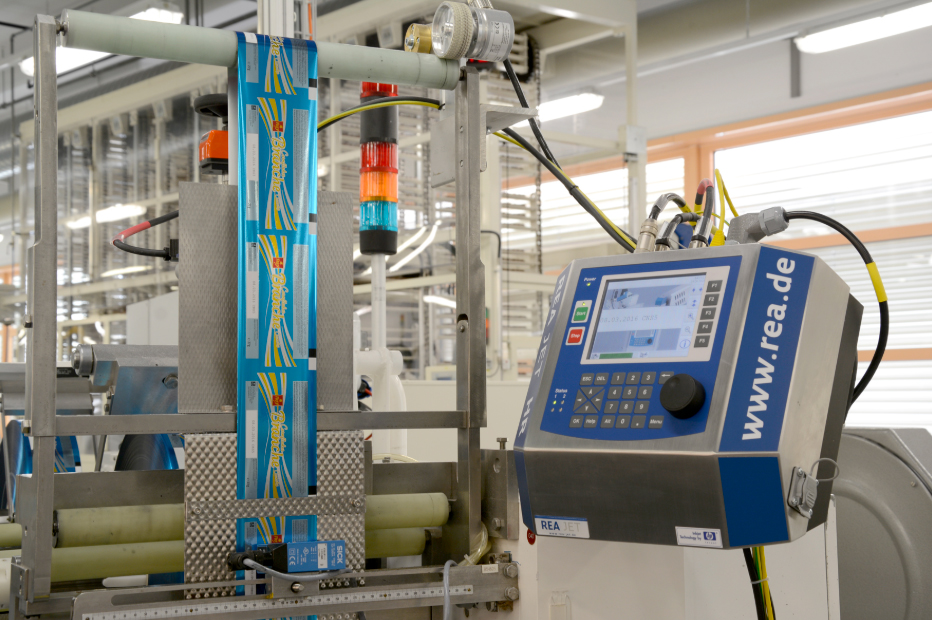
In modern manufacturing environments, every minute of production matters. Whether producing food products, pharmaceuticals, building materials, automotive components, consumer packaged goods, or industrial products, manufacturers depend on consistent production line performance to meet customer expectations and profitability goals.
Unfortunately, even small interruptions can have significant consequences.
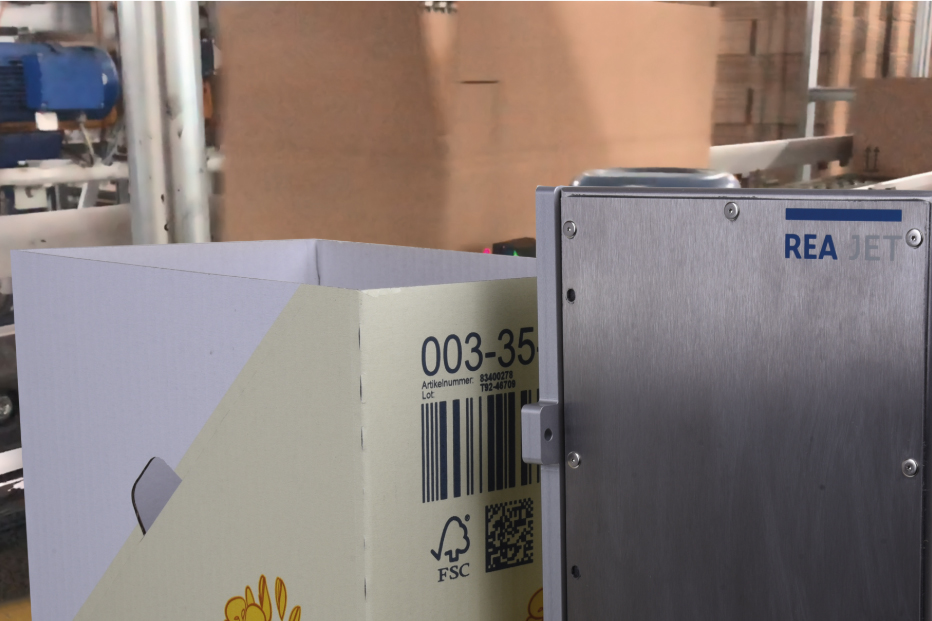
One often-overlooked source of production inefficiency is downtime in coding and marking operations. Coding and marking systems are responsible for applying critical information such as date codes, batch numbers, serial numbers, barcodes, QR codes, and traceability data. When these systems fail, entire production lines can stop, resulting in lost productivity, increased labor costs, missed shipments, and potential compliance issues.
As traceability requirements become more complex and production volumes continue increasing, minimizing downtime has become a strategic priority for manufacturers across industries.
This guide explores the causes of coding and marking downtime, the costs associated with production interruptions, and proven strategies manufacturers can use to improve uptime, reliability, and operational efficiency.
Why Coding and Marking Systems Matter
Coding and marking technology plays a critical role in manufacturing operations.
These systems print the essential information manufacturers rely on, including
- Product identification
- Traceability
- Regulatory compliance
- Inventory management
- Quality control
- Supply chain visibility
Common coding applications include:
- Expiration dates
- Best-before dates
- Lot numbers
- Batch codes
- Serial numbers
- Barcodes
- Data Matrix codes
- QR codes
Without functioning coding systems, manufacturers may be unable to legally ship products, verify traceability, or comply with industry regulations. As a result, coding equipment often becomes a critical point of failure within the production process.
Understanding Downtime in Coding and Marking
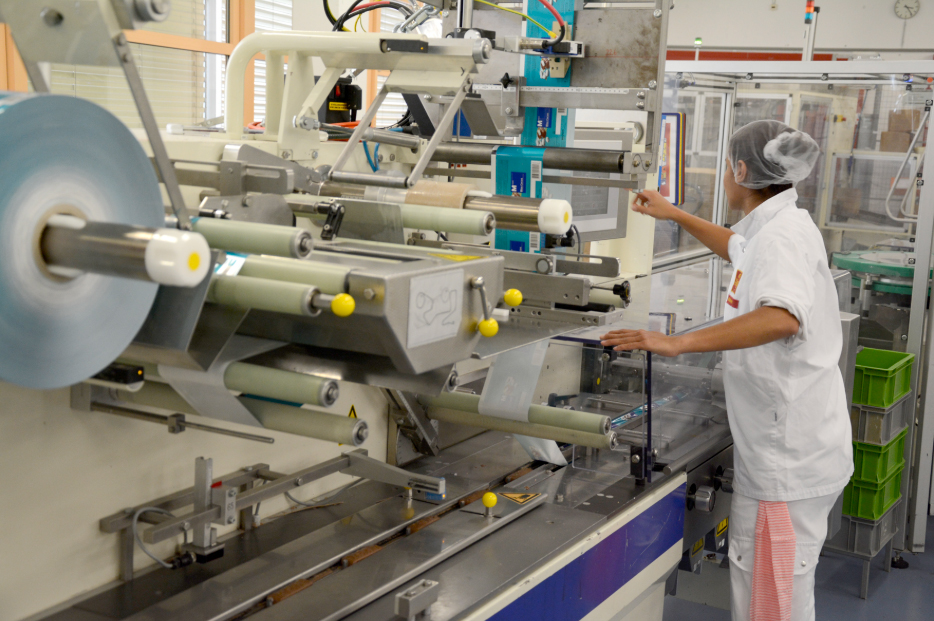
Downtime occurs whenever coding and marking equipment cannot perform its intended function.
This may involve:
- Complete equipment failure
- Printing errors
- Poor code quality
- Communication failures
- Consumable shortages
- Maintenance interruptions
Even when the coding system itself remains operational, unreadable or non-compliant codes can force production stoppages until issues are resolved. The result is lost production capacity and increased operational costs. Understanding the causes of coding and marking downtime is the first step toward preventing it.
The True Cost of Production Downtime
Many manufacturers underestimate the financial impact of coding-related interruptions. The costs often extend far beyond the immediate production stoppage.
Lost Production Output
Every minute a production line sits idle reduces output.
Depending on production volume, even a short interruption can result in:
- Missed production targets
- Reduced throughput
- Delayed shipments
High-speed manufacturing environments are particularly vulnerable to downtime losses.
Increased Labor Costs
Employees often remain on the clock during downtime events. Labor expenses continue while production output declines. In some cases, manufacturers may need overtime shifts to recover lost production.
Product Waste
Coding failures can result in:
- Misprinted products
- Missing codes
- Unreadable markings
- Incorrect variable data
These products may require rework or disposal, increasing waste and reducing profitability.
Compliance Risks
Many industries require products to carry specific identification information.
Coding failures can create compliance risks related to:
- Food safety regulations
- Pharmaceutical serialization
- Medical device traceability
- Industry labeling standards
Non-compliant products may require costly corrective actions.
Customer Service Impacts
Production interruptions can delay deliveries and disrupt supply chain commitments. Repeated downtime events may affect customer satisfaction and long-term business relationships.
Common Causes of Coding and Marking Downtime
Several factors contribute to downtime in coding and marking operations. Understanding these root causes helps manufacturers implement effective prevention strategies.
Consumable-Related Issues
Many coding systems rely on consumables such as:
- Ink
- Solvents
- Cartridges
- Filters
When consumables run low or are not replaced promptly, production interruptions can occur.
Additional challenges include:
- Incorrect consumable selection
- Ink contamination
- Supply shortages
- Improper storage conditions
Consumable management remains one of the most common causes of downtime.
Equipment Maintenance Problems
Like any industrial equipment, coding systems require routine maintenance.
Common maintenance-related issues include:
- Clogged printheads
- Dirty lenses
- Worn components
- Filter failures
- Calibration problems
Deferred maintenance often leads to unexpected breakdowns and costly emergency repairs. Implementing proactive maintenance programs can significantly reduce downtime risks.
Poor Print Quality
Code quality issues frequently trigger production interruptions.
Problems may include:
- Blurred codes
- Incomplete characters
- Low contrast markings
- Missing information
- Unreadable barcodes
Vision inspection systems may reject products with poor-quality codes, forcing operators to stop production and investigate. Maintaining consistent print quality is essential for minimizing downtime.
Data and Communication Failures
Modern coding systems often integrate with:
- ERP systems
- MES platforms
- Warehouse management systems
- Serialization software
Communication failures between these systems can disrupt coding operations.
Potential issues include:
- Network interruptions
- Database errors
- Incorrect data transfers
- Software compatibility problems
As traceability requirements become more sophisticated, data reliability becomes increasingly important.
Operator Errors
Human error remains a significant contributor to manufacturing downtime.
Examples include:
- Incorrect code selection
- Improper system setup
- Missed maintenance procedures
- Incorrect consumable installation
- Failure to respond to system alerts
Comprehensive training programs help reduce operator-related issues.
Strategies for Reducing Downtime in Coding and Marking Operations
Manufacturers can significantly improve uptime by implementing a combination of technology, maintenance, training, and process improvements.
Implement Preventive Maintenance Programs
Preventive maintenance is one of the most effective ways to reduce downtime.
A structured maintenance program should include:
- Scheduled inspections
- Cleaning procedures
- Component replacement schedules
- Calibration verification
- Performance monitoring
Preventive maintenance helps identify potential issues before they cause production interruptions.
Upgrade to More Reliable Coding Technologies
Not all coding systems require the same level of maintenance.
For example:
Laser Marking Systems
Laser systems offer several uptime advantages:
- No ink consumption
- Minimal consumables
- Reduced maintenance requirements
- Consistent print quality
Because laser systems eliminate many common consumable-related issues, they often deliver higher uptime.
Modern Inkjet Technologies
Advances in inkjet design have improved reliability through:
- Automated cleaning cycles
- Smart maintenance features
- Improved printhead technology
- Predictive diagnostics
Manufacturers should evaluate whether legacy systems continue meeting operational requirements.
Utilize Vision Inspection Systems
Vision inspection systems play a critical role in maintaining code quality.
These systems automatically verify:
- Code presence
- Readability
- Accuracy
- Placement
By identifying problems immediately, inspection systems prevent defective products from progressing through the production process. Early detection minimizes disruptions and reduces waste.
Improve Consumable Management
Consumable shortages are entirely preventable.
Manufacturers should establish procedures for:
- Inventory monitoring
- Automated reorder points
- Approved consumable usage
- Proper storage practices
Maintaining adequate inventory helps eliminate avoidable production interruptions.
Standardize Coding Processes
Standardized procedures improve consistency and reduce variability.
Best practices include:
- Documented operating procedures
- Standardized code formats
- Consistent maintenance schedules
- Defined troubleshooting protocols
Standardization reduces the likelihood of errors and improves operational reliability.
Enhance Operator Training
Well-trained operators are essential for maintaining uptime.
Training programs should cover:
- Equipment operation
- Routine maintenance
- Troubleshooting procedures
- Code quality verification
- Regulatory requirements
Ongoing training ensures employees remain prepared to identify and resolve issues quickly.
Leverage Predictive Maintenance Technologies
Predictive maintenance uses real-time equipment data to identify potential failures before they occur.
Advanced systems can monitor:
- Printhead performance
- Temperature conditions
- Equipment health
- Production trends
Predictive maintenance allows manufacturers to address issues proactively rather than reactively. This approach minimizes unexpected downtime and improves planning.
Integrate Coding Systems with Production Data
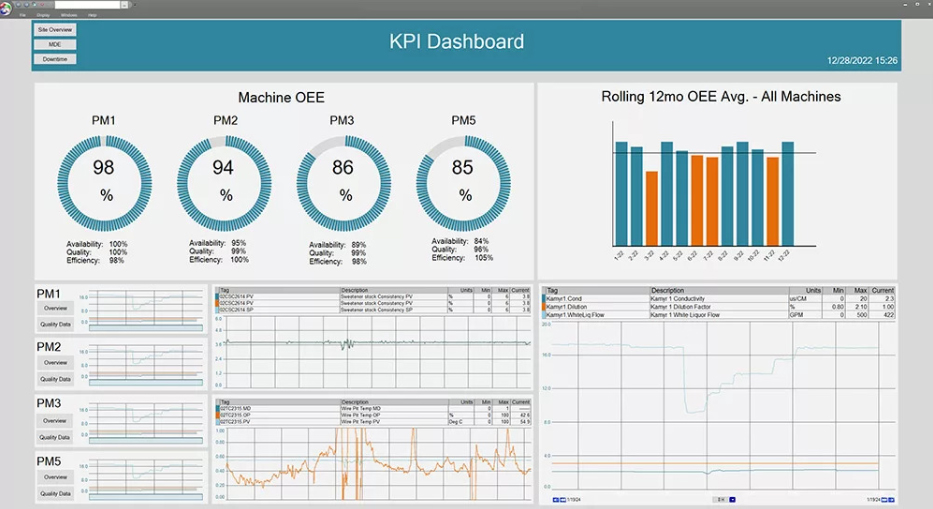
Connected manufacturing environments provide greater visibility into equipment performance.
Integration with production systems enables:
- Real-time monitoring
- Automated reporting
- Performance analysis
- Faster troubleshooting
Manufacturers gain valuable insights that support continuous improvement efforts.
Measuring Coding and Marking System Performance
Reducing downtime requires ongoing measurement and analysis.
Key performance indicators may include:
Equipment Uptime
Measures the percentage of time equipment remains operational. Higher uptime generally indicates better reliability.
Mean Time Between Failures (MTBF)
MTBF measures the average operating time between equipment failures. Increasing MTBF indicates improved system performance.
Mean Time to Repair (MTTR)
MTTR measures how quickly issues are resolved. Reducing repair times minimizes production disruptions.
Code Quality Metrics
Manufacturers should track:
- Readability rates
- Verification failures
- Rejected products
- Rework incidents
Code quality directly affects operational efficiency.
The Role of Automation in Reducing Downtime
Automation continues transforming coding and marking operations.
Modern systems offer features such as:
- Automated message selection
- Remote monitoring
- Self-diagnostics
- Integrated verification
- Predictive maintenance alerts
These capabilities reduce manual intervention while improving reliability. As Industry 4.0 initiatives expand, automation will play an increasingly important role in minimizing downtime.
Future Trends in Coding and Marking Reliability
Several emerging technologies are expected to further improve uptime.
These include:
- AI-powered maintenance analytics
- Cloud-based equipment monitoring
- Smart factory integration
- Advanced vision systems
- Automated performance optimization
Manufacturers that embrace these innovations will be better positioned to achieve higher levels of operational efficiency.
Conclusion
Reducing downtime in coding and marking operations is essential for improving production efficiency, maintaining compliance, and protecting profitability.
By addressing common causes of downtime—including maintenance issues, consumable shortages, print quality problems, communication failures, and operator errors—manufacturers can significantly improve equipment reliability and production performance.
Through preventive maintenance, automation, vision inspection, operator training, and strategic technology investments, organizations can create coding and marking environments that support long-term operational success.
Contact REA JET to learn how advanced coding, marking, inspection, and traceability solutions can help maximize uptime and improve manufacturing performance.
 Or call 440-232-0555
Featured Coding & Marking Technologies View all
Most-requested coding & marking systems.
- 01 Large Character Inkjet Printers (DOD) Direct-to-product marking for cases, pallets, lumber, building materials and other porous surfaces
- 02 High-Resolution Inkjet Printers Print sharp text, logos, barcodes and 2D codes directly on products and packaging
- 03 Laser Systems Permanent, maintenance-free marking for traceability, compliance and product identification
- 04 Barcode Verification Systems Verify barcode quality and readability to meet retailer, GS1 and customer requirements
- 05 Small Character Inkjet Print date, lot, batch and traceability codes for production lines and packaging
- 06 Spray Mark Technology Reliable product identification and defect marking for manufacturing and industrial processes