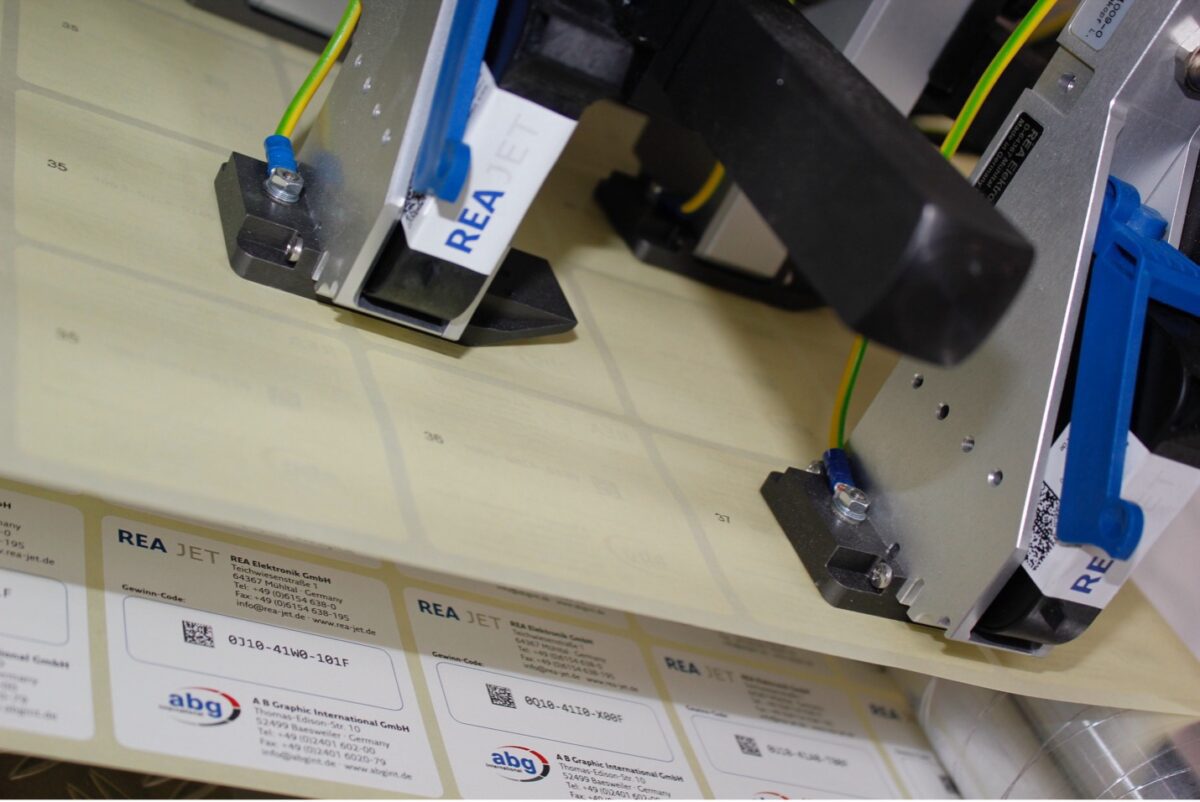
The Evolution of Inkjet Technology Over the past several decades, inkjet coding and marking has revolutionized how manufacturers identify, track, and manage products across global supply chains. What began as a simple printing method for consumer applications has become an indispensable industrial solution for traceability, compliance, and brand integrity. Inkjet printing emerged in the 1950s, but it wasn’t until the …
How CPG Services Streamline Product Marking for Manufacturers
What Are CPG Services? In today’s fast-moving manufacturing environment, CPG services—short for Consumer Packaged Goods services—play a crucial role in helping brands manage the complex journey from production to packaging and shelf placement. At their core, these services support every stage of the product life cycle: formulation, design, labeling, coding, compliance, and logistics. For manufacturers, CPG services bridge the gap …
Effective CPG Product Development Strategies for Manufacturing Success
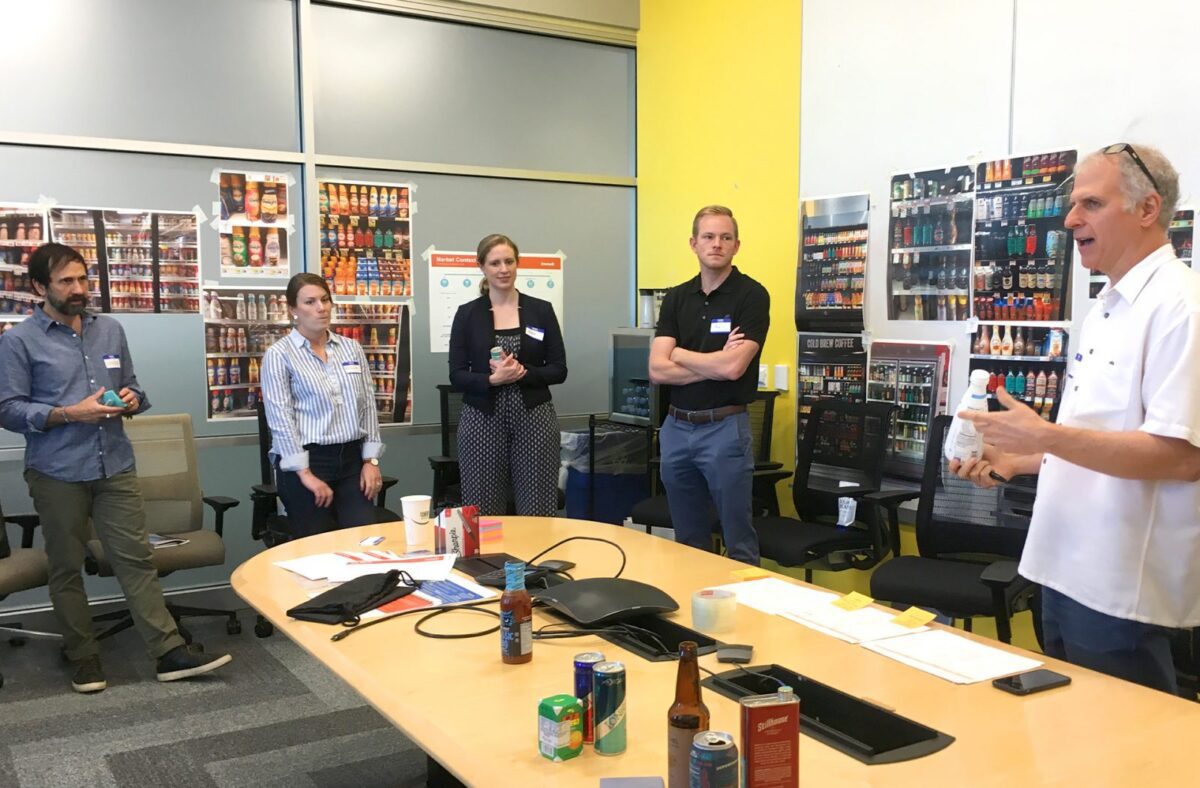
Understanding Consumer Needs Every successful CPG product development journey begins with understanding the consumer—because in the world of consumer packaged goods, it’s not just about manufacturing capability or branding; it’s about solving a real need in the daily lives of your target audience. Modern consumers are driven by convenience, sustainability, health awareness, and personalization. They’re loyal to brands that align …
Boost Efficiency with Reliable Coding and Marking Printers
Introduction to Coding and Marking Solutions In modern manufacturing, speed and accuracy are everything. Coding and marking printers play a crucial role in maintaining that precision by printing essential information—like batch numbers, expiration dates, barcodes, and lot codes—directly onto products or packaging. From food and beverage items to pharmaceuticals and industrial components, these printers ensure every item can be traced, …
Understanding Different Types of 2D Barcodes for Product Marking
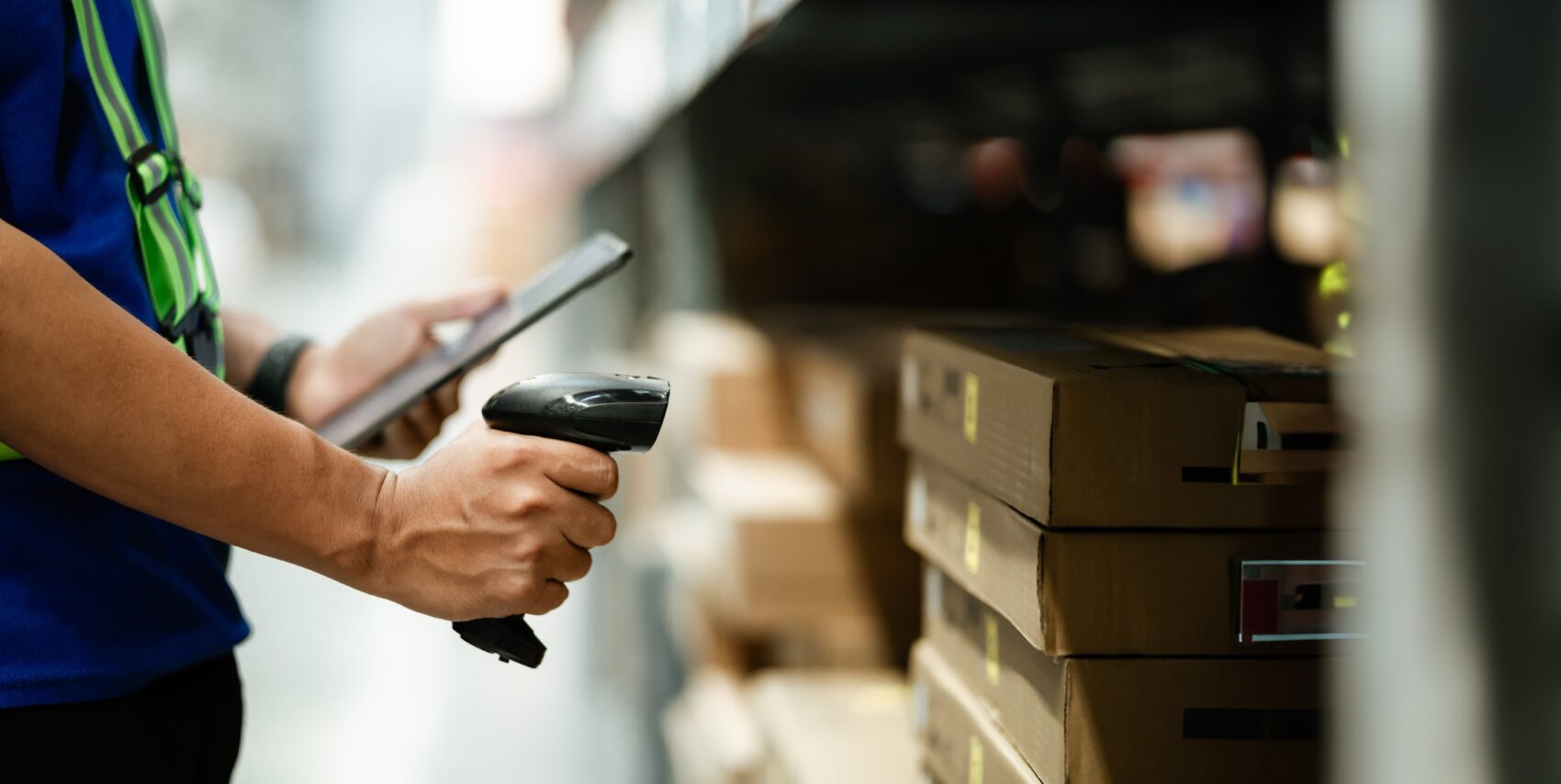
Understanding 2D Barcodes Barcodes have come a long way from the simple black-and-white stripes once seen on every retail product. Today, 2D barcodes—short for two-dimensional barcodes—have become the industry standard for tracking, labeling, and authenticating products across manufacturing, logistics, healthcare, and retail. Unlike traditional 1D barcodes that store data only in a single line of vertical stripes, 2D barcodes can …