
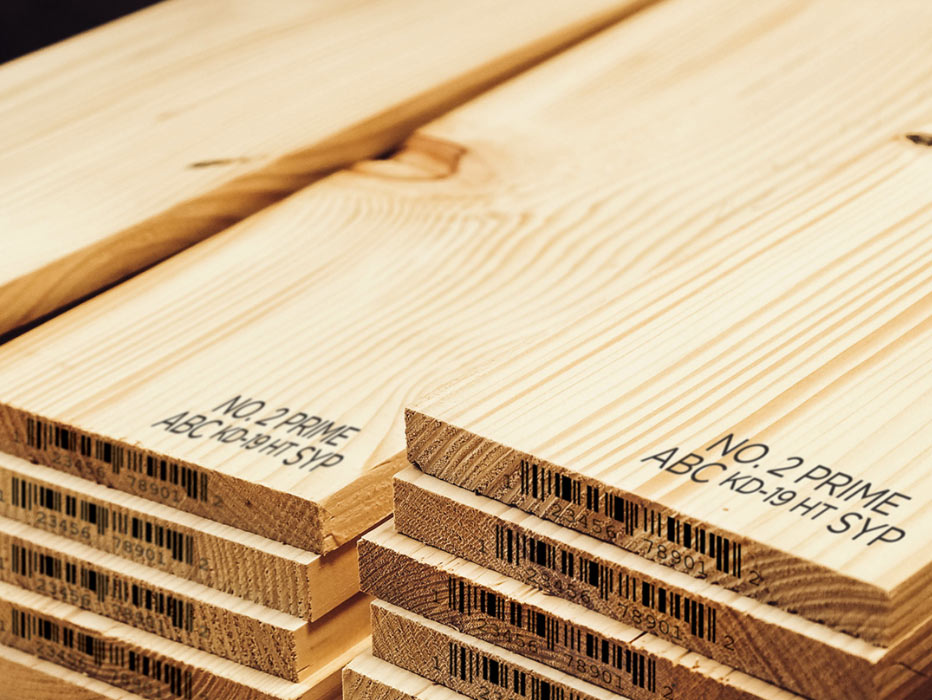
In the lumber industry, accurate identification is essential for maintaining quality standards, regulatory compliance, and efficient supply chain management. Wood marking plays a central role in this process, particularly when it comes to lumber grade stamping. Clear and consistent grade marks allow mills, distributors, and builders to quickly identify wood species, quality classifications, and treatment certifications.
As production volumes increase and quality expectations rise, reliable marking solutions are critical for ensuring that lumber grade stamps remain legible, durable, and compliant. Modern wood marking systems provide the consistency and efficiency needed to meet these demands.
Essential Tools for Lumber Grade Stamping
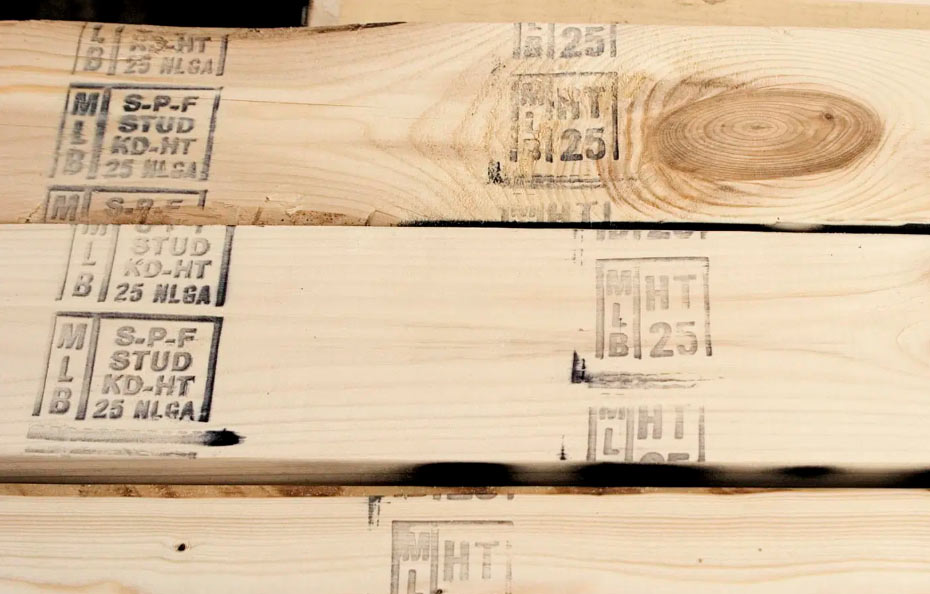
Effective lumber grade stamping begins with the right tools. Traditional grade stamps have long been used to apply essential information such as mill identification, grading agency certification, and wood classification.
However, modern wood marking solutions often incorporate advanced technologies designed for higher throughput and greater consistency. Industrial ink-based marking systems, automated stamping devices, and specialized inks formulated for porous surfaces help ensure that grade marks remain visible throughout transportation and construction.
Reliable tools also reduce the risk of inconsistent marks, which can lead to confusion or rejected shipments. By investing in durable equipment and high-quality inks, wood processors can maintain clear and compliant grade stamping across production runs.
Types of Lumber Grade Stamping
There are several methods used to apply lumber grade stamps, each suited to different production environments.
Manual Stamping:
Traditional hand stamps remain common in smaller operations. These stamps are typically ink-based and applied manually by workers.
Mechanical Stamping:
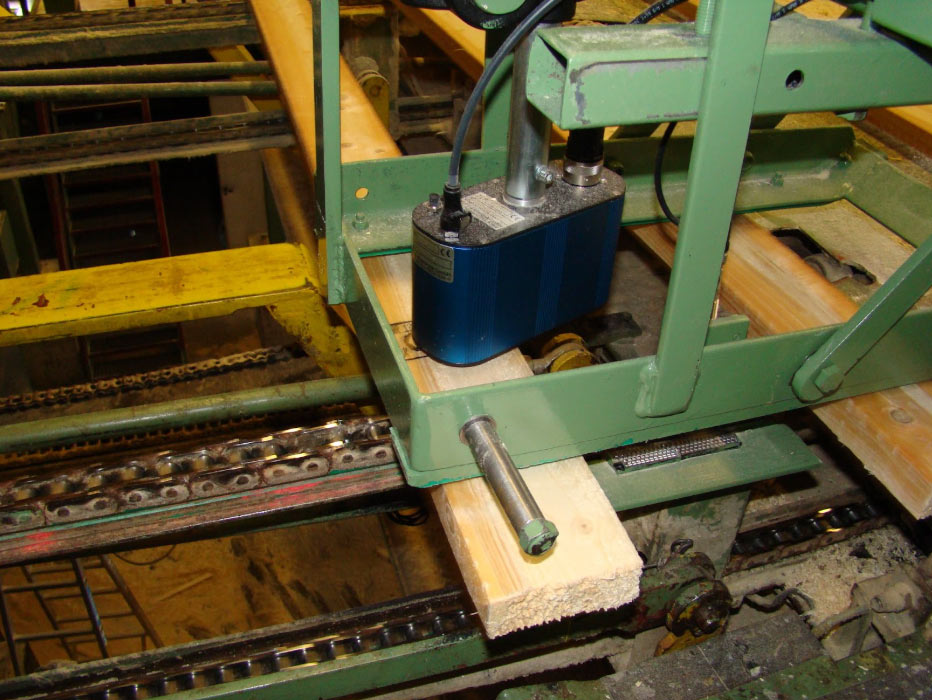
Mechanical stamping systems automate the process, applying marks with consistent pressure and placement as lumber moves along a production line.
Inkjet Wood Marking:
Industrial inkjet marking systems allow for non-contact application of grade marks. This technology supports high-speed production while maintaining legibility on rough or uneven surfaces.
Each method has advantages depending on production scale, marking requirements, and operational efficiency.
Choosing the Right Technology
Selecting the right wood marking technology for lumber grade stamping requires careful consideration of production needs.
Facilities with high throughput often benefit from automated systems that can apply marks at line speed. Non-contact marking technologies reduce wear on equipment and minimize disruptions to production flow.
Environmental conditions must also be considered. Dust, moisture, and temperature fluctuations common in lumber mills can impact mark quality. Choosing marking solutions designed for these environments ensures reliable results.
In addition, compatibility with grading standards and certification requirements is essential. Marking systems must consistently produce marks that meet regulatory visibility and durability guidelines.
Common Mistakes to Avoid
Even with reliable equipment, mistakes in wood marking can lead to operational challenges. One common issue is using inks or marking materials not designed for wood surfaces. This can result in fading, bleeding, or poor adhesion.
Another mistake is inconsistent placement of grade marks. Marks should appear in predictable locations so inspectors and downstream users can easily identify them.
Neglecting maintenance is also problematic. Printheads, stamps, and marking components require routine cleaning and inspection to maintain performance.
Finally, insufficient operator training can lead to inconsistent results. Ensuring that employees understand proper marking procedures helps maintain quality and compliance across production shifts.
Conclusion
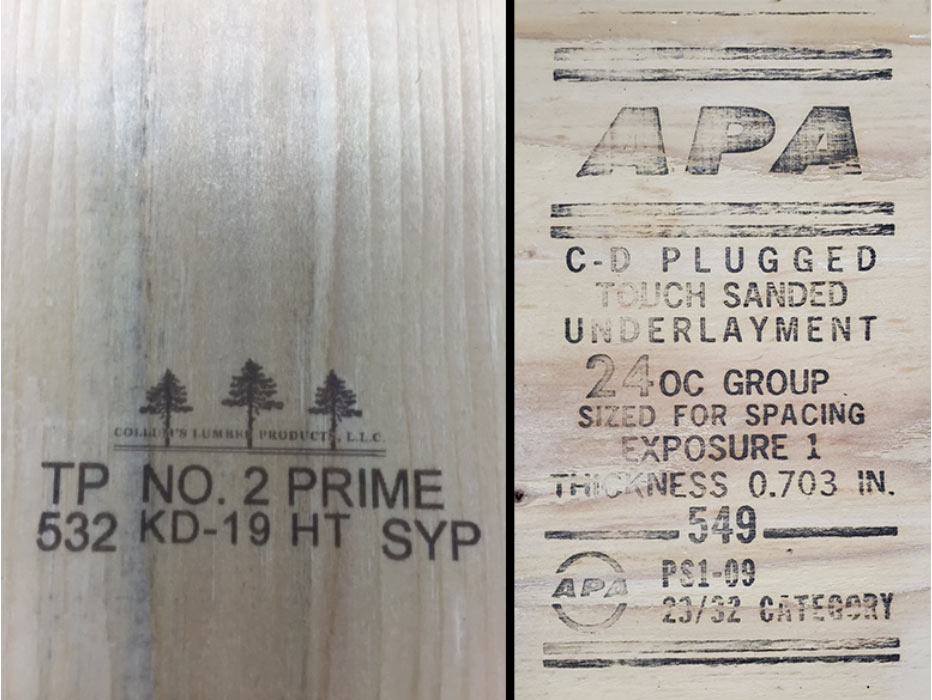
Reliable lumber grade stamping is essential for maintaining quality standards and supporting efficient lumber distribution. By choosing the right wood marking tools, adopting appropriate technologies, and avoiding common mistakes, wood processing facilities can ensure that grade marks remain clear, durable, and compliant.
As production demands grow, modern wood marking solutions offer the consistency and efficiency needed to support accurate lumber identification from mill to marketplace.
Contact REA JET to explore how agile coding and marking can unlock your packaging potential.
 Or call 440-232-0555
Featured Coding & Marking Technologies View all
Most-requested coding & marking systems.
- 01 Large Character Inkjet Printers (DOD) Direct-to-product marking for cases, pallets, lumber, building materials and other porous surfaces
- 02 High-Resolution Inkjet Printers Print sharp text, logos, barcodes and 2D codes directly on products and packaging
- 03 Laser Systems Permanent, maintenance-free marking for traceability, compliance and product identification
- 04 Barcode Verification Systems Verify barcode quality and readability to meet retailer, GS1 and customer requirements
- 05 Small Character Inkjet Print date, lot, batch and traceability codes for production lines and packaging
- 06 Spray Mark Technology Reliable product identification and defect marking for manufacturing and industrial processes