

Consumer packaged goods manufacturers work with an increasingly diverse range of packaging materials.
A single production facility may need to print date codes, lot numbers, barcodes, serial numbers, and traceability information on plastic bottles, glass jars, aluminum cans, coated cartons, flexible films, labels, corrugated cases, and metal closures.
Each of these materials presents different coding challenges.
An ink that adheres perfectly to paperboard may smear on plastic. A formula that dries quickly on a warm aluminum can may perform differently on a cold bottle covered in condensation. An ink that creates strong contrast on a white carton may be difficult to read on dark, glossy, or transparent packaging.
For this reason, choosing the right ink for CPG substrates is one of the most important decisions in an industrial coding and marking program. The wrong ink can lead to:
- Smudged codes
- Poor adhesion
- Slow drying
- Faded characters
- Unreadable barcodes
- Product rework
- Packaging waste
- Production downtime
- Retailer complaints
- Traceability gaps
The correct ink must work with the packaging material, coding equipment, production speed, environmental conditions, handling requirements, and expected product lifecycle. This guide explains how CPG manufacturers can evaluate industrial coding inks and select the right formulation for different substrates and production environments.
Why Ink Selection Matters in CPG Manufacturing
Industrial coding ink does more than create a visible mark. It must form a reliable connection between the physical product and the information required to identify, track, sell, and manage it. Codes commonly applied to CPG packaging include:
- Production dates
- Expiration dates
- Best-before dates
- Lot numbers
- Batch numbers
- Barcodes
- QR codes
- Data Matrix codes
- Product identifiers
- Manufacturing locations
- Shift information
If the ink does not perform correctly, that information may become unreadable or disappear during handling and distribution. Ink performance directly affects:
Product Traceability
Lot and batch codes must remain readable long enough to support quality investigations, inventory control, and recall management.
Regulatory Compliance
Many products must carry accurate and legible identification information. An unreadable code may create a compliance issue even when the correct data was originally printed.
Retailer Requirements
Retailers and distributors may reject products with missing, blurred, or low-quality codes.
Production Efficiency
Poor ink performance can cause line stoppages, excessive cleaning, rework, and product waste.
Brand Quality
A clean, sharp code supports a professional package appearance. Smudged or faded coding can make a product look damaged or poorly controlled.
Start With the Packaging Substrate
The first step in selecting an ink is identifying the exact surface being printed. Packaging materials that appear similar may have very different chemical and physical properties. Common CPG substrates include:
- Polyethylene terephthalate, or PET
- High-density polyethylene, or HDPE
- Low-density polyethylene, or LDPE
- Polypropylene
- Polyvinyl chloride
- Glass
- Aluminum
- Steel
- Paperboard
- Corrugated fiberboard
- Coated cartons
- Flexible films
- Foils
- Labels
- Laminates
- Waxed materials
Manufacturers should avoid selecting ink based only on a broad material category. For example, two plastic bottles may both be identified as polyethylene but contain different additives, coatings, recycled content, or surface treatments. These differences can significantly affect adhesion and drying. The actual production packaging should always be tested.
Understand Surface Energy
Surface energy influences whether ink spreads, wets, and adheres properly to a material. High-surface-energy materials generally allow ink to spread more easily and form a stronger bond. Low-surface-energy materials may resist ink, causing it to bead, smear, or detach. Many plastics used in CPG packaging have relatively low surface energy. Examples include:
- Polyethylene
- Polypropylene
- Some flexible films
These materials may require:
- Specialized ink formulations
- Corona treatment
- Plasma treatment
- Flame treatment
- Primers
- Surface cleaning
Manufacturers should confirm whether the packaging supplier has treated the surface and whether that treatment remains effective during storage. Surface treatment can degrade over time, which means older packaging inventory may behave differently from newly produced material.
Evaluate Ink Adhesion
Adhesion refers to how securely the dried ink bonds to the packaging surface. Good adhesion means the code remains intact during:
- Conveyor movement
- Packaging
- Case packing
- Palletizing
- Shipping
- Retail handling
- Consumer use
Poor adhesion can cause the code to:
- Rub off
- Scratch
- Flake
- Smear
- Transfer onto nearby packages
Adhesion testing should be performed under realistic conditions. Common methods include:
- Finger rub tests
- Tape tests
- Scratch tests
- Abrasion tests
- Water exposure tests
- Chemical resistance tests
- Temperature cycling
The test should reflect the actual product lifecycle. A code that survives five minutes in the plant may still fail after days of shipping and handling.
Match Drying Time to Production Speed
Drying time is one of the most important considerations in industrial coding. If the ink does not dry before the package contacts another surface, the code may smear or transfer.
This can occur during:
- Guide rail contact
- Case packing
- Product accumulation
- Shrink wrapping
- Label application
- Palletizing
- Stacking
High-speed production lines often require fast-drying inks. The required drying time depends on:
- Conveyor speed
- Distance to the next contact point
- Package orientation
- Substrate porosity
- Temperature
- Humidity
- Ink drop size
- Code density
A porous carton may absorb ink almost immediately. A nonporous plastic or metal surface may require a specially formulated fast-drying ink.
Manufacturers should measure the actual time between printing and first contact.
Consider the Production Environment
The plant environment can significantly affect ink performance. Potential factors include:
- Heat
- Cold
- Humidity
- Dust
- Moisture
- Washdown
- Condensation
- Oil
- Grease
- Sugar
- Flour
- Cleaning chemicals
The same ink may perform differently across two production facilities. For example, a beverage bottle filled with a refrigerated product may develop condensation before it reaches the coding station. Standard ink may not adhere properly to the wet surface. A specialized moisture-resistant or condensation-penetrating ink may be required. Similarly, a food processing facility using aggressive sanitation chemicals may require a code that resists chemical exposure.
Choose Ink for Plastic Packaging
Plastic is one of the most common CPG packaging materials, but it can also be one of the most challenging to code. Common plastic substrates include:
- PET bottles
- HDPE containers
- Polypropylene caps
- Polyethylene films
- Plastic pouches
- Tubes
- Closures
Challenges may include:
- Low surface energy
- Smooth surfaces
- Static electricity
- Flexing
- Chemical additives
- Recycled content
- Condensation
The selected ink should provide:
- Strong adhesion
- Fast drying
- Flexibility
- Abrasion resistance
- Adequate contrast
Plastic packaging should be tested after all manufacturing steps, including molding, filling, cooling, and labeling. Residues from mold-release agents, lubricants, or product filling can affect adhesion.
PET Bottle Ink Selection
PET is widely used for beverage, water, food, household, and personal care packaging. Ink performance on PET depends on:
- Bottle temperature
- Surface moisture
- Recycled content
- Bottle color
- Production speed
- Handling
For dry PET bottles, a standard fast-drying industrial ink may perform well. For cold-filled or refrigerated products, a moisture-resistant formulation may be required. Manufacturers should also consider whether the code will be exposed to:
- Ice water
- Refrigeration
- Cooler condensation
- Consumer handling
- Bottle recycling processes
Dark bottles may require a pigmented light-colored ink to create sufficient contrast.
HDPE Container Ink Selection
HDPE is commonly used for:
- Milk jugs
- Detergent bottles
- Cleaning products
- Personal care containers
- Pharmaceutical bottles
- Food containers
HDPE has relatively low surface energy, which can make adhesion difficult. Ink selection should consider:
- Surface treatment
- Container texture
- Product residue
- Flexing
- Chemical exposure
For household chemicals, the printed code may need to resist contact with the product itself. A detergent or solvent can damage a standard code if the package leaks or the product is spilled.
Polypropylene Ink Selection
Polypropylene is used for:
- Caps
- Lids
- Cups
- Tubs
- Labels
- Films
- Containers
Like polyethylene, polypropylene often has low surface energy. Specialized inks may be required to achieve strong adhesion. The packaging supplier may use corona or flame treatment to improve printability. Manufacturers should test the code after the package has been filled, sealed, and handled because polypropylene components may flex during use.
Flexible Film Ink Selection
Flexible films are used for:
- Snack packaging
- Frozen food bags
- Pouches
- Flow-wrap products
- Personal care products
- Household goods
These materials may be made from:
- Polyethylene
- Polypropylene
- Polyester
- Laminated structures
- Foil combinations
Flexible packaging creates unique challenges because it may:
- Stretch
- Wrinkle
- Bend
- Fold
- Contact sealing equipment
- Experience heat
The ink should be flexible enough to remain attached when the package moves. It should also resist cracking or flaking. Manufacturers should confirm whether the code is applied before or after the package is formed and sealed. Thermal transfer overprinting may be more suitable than inkjet for some flexible film applications.
Choose Ink for Glass Packaging
Glass is used for:
- Beverage bottles
- Food jars
- Pharmaceutical containers
- Cosmetics
- Specialty products
Glass surfaces are smooth and nonporous. Ink must dry quickly and adhere strongly. Potential challenges include:
- Condensation
- Cold-fill conditions
- Returnable containers
- Washing
- Abrasion
- Bottle coatings
Some glass bottles receive surface treatments that improve scratch resistance but may affect ink adhesion. Manufacturers should test the exact bottle supplied for production. For returnable beverage bottles, the code may need to remain readable through distribution but also be removable during washing. This may require a specialized removable ink.
Choose Ink for Metal Packaging
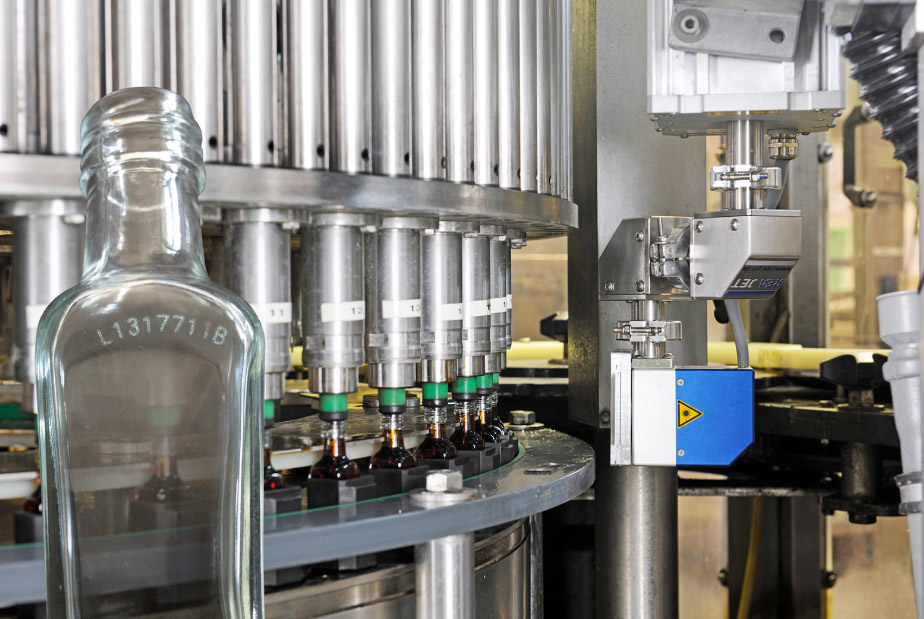
Metal packaging includes:
- Aluminum cans
- Steel cans
- Metal lids
- Aerosol containers
- Foil closures
- Caps
Metal surfaces may be coated, painted, varnished, or lacquered. The ink must bond to the coating rather than the metal underneath. Key considerations include:
- Surface temperature
- Coating chemistry
- Condensation
- Production speed
- Abrasion
- Retort processing
- Sterilization
A beverage can may be cold and wet at the coding station. A food can may later pass through heat processing. The ink must be selected based on the entire process, not just the printing moment.
Retort-Resistant Ink
Some packaged foods undergo retort processing after coding. This exposes the package and code to:
- High temperatures
- Steam
- Pressure
- Moisture
- Chemical conditions
A standard ink may fade, change color, or lose adhesion during retort. Specialized retort-resistant inks are designed to maintain readability after processing. Some inks may also change color during retort, providing a visual indication that processing occurred. Manufacturers should validate the code through the complete retort cycle.
Choose Ink for Paperboard Cartons
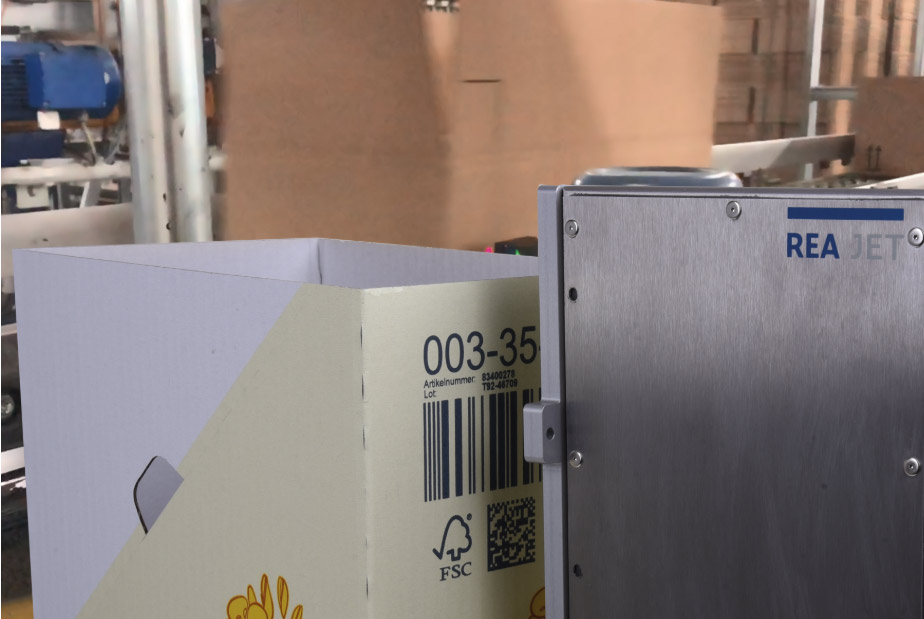
Paperboard cartons are used across:
- Food
- Pharmaceuticals
- Cosmetics
- Household products
- Personal care products
Uncoated paperboard is porous and generally easy to print. Ink absorbs quickly, supporting fast drying. However, excessive absorption may cause:
- Dot spread
- Blurred characters
- Wider barcode lines
- Reduced resolution
Coated cartons behave differently. Gloss coatings, varnishes, and laminates may require inks designed for nonporous materials. The final printed and coated carton should be tested rather than an unfinished paper sample.
Choose Ink for Corrugated Cases
Corrugated cases may be made from:
- Kraft liner
- White liner
- Recycled materials
- Coated board
Their surfaces are often porous and uneven. High-resolution case coding inks should provide:
- Strong contrast
- Controlled absorption
- Clear barcode edges
- Fast drying
- Low maintenance
Ink spread is a major concern when printing barcodes directly onto corrugated board. If ink absorbs too deeply or spreads too far, bars and spaces may fall outside acceptable dimensions. Manufacturers may need to:
- Increase barcode size
- Adjust print density
- Use a different ink
- Print on a smoother panel
- Apply a label instead
Consider Packaging Color
The code must contrast with the background. Black ink works well on light packaging, but many CPG packages use:
- Dark plastics
- Amber glass
- Colored labels
- Metallic films
- Printed graphics
Light-colored pigmented inks may be required on dark surfaces. Common high-contrast options include:
- White
- Yellow
- Light blue
- Silver
Pigmented inks may require different printer configurations and more maintenance than dye-based inks. Manufacturers should balance contrast needs with operational requirements.
Dye-Based Versus Pigmented Ink
Industrial coding inks generally use dye-based or pigmented colorants.
Dye-Based Ink
Dye-based inks dissolve colorant within the fluid. Advantages may include:
- Sharp print
- Lower sedimentation
- Easier fluid circulation
- Reduced maintenance
- Strong color on light surfaces
They are commonly used for dark codes on light packaging.
Pigmented Ink
Pigmented inks contain suspended particles. Advantages may include:
- High opacity
- Strong contrast
- Light-colored printing on dark surfaces
- Improved resistance in some applications
Pigmented inks may require:
- Agitation
- Specialized fluid systems
- More frequent maintenance
- Careful shutdown procedures
The printer must be designed to handle the selected ink type.
Evaluate Chemical Resistance
Some CPG products and facilities expose codes to chemicals. Examples include:
- Detergents
- Oils
- Alcohol
- Solvents
- Disinfectants
- Cleaners
- Product ingredients
Chemical-resistant ink may be necessary when the code could contact these substances. This is common in:
- Household cleaning products
- Automotive fluids
- Personal care products
- Cosmetics
- Industrial chemicals
- Food processing
Testing should use the actual chemical and expected exposure time. A brief splash may require different resistance than continuous immersion.
Evaluate Water and Moisture Resistance
Moisture can damage codes during:
- Refrigeration
- Freezing
- Ice storage
- Washdown
- Transportation
- Consumer handling
Water-resistant ink should maintain:
- Adhesion
- Contrast
- Character shape
- Barcode readability
Cold products can be especially challenging because condensation may be present before the code is applied. In these applications, the ink must either displace moisture or adhere through a thin water layer. Testing should simulate real production conditions.
Evaluate Oil and Grease Resistance
Food and industrial products may expose packaging to oils or grease. Examples include:
- Cooking oils
- Snack foods
- Meat packaging
- Automotive products
- Cosmetics
- Lubricants
Oil can interfere with ink adhesion before printing or weaken the code afterward. The packaging surface should be as clean as possible before coding. Specialized oil-resistant ink may be required when exposure cannot be avoided.
Evaluate Alcohol Resistance
Alcohol is present in:
- Hand sanitizer
- Cosmetics
- Fragrances
- Cleaning products
- Pharmaceutical products
- Beverages
Alcohol can dissolve or smear some inks. For these applications, the code should be tested against the actual formulation and expected exposure. The package may also be wiped with alcohol during manufacturing or consumer use.
Evaluate UV and Light Resistance
Products displayed outdoors or near strong lighting may require fade-resistant codes. UV exposure can cause some dye-based inks to fade. Applications that may require lightfast ink include:
- Garden products
- Building materials
- Outdoor consumer goods
- Automotive products
- Products stored in direct sunlight
The required resistance depends on expected exposure duration.
Consider Refrigeration and Freezing
Cold-chain products present several coding challenges. Packaging may be:
- Cold at the time of printing
- Covered with condensation
- Frozen after printing
- Moved between temperature zones
- Stored in humid environments
The ink should remain flexible and adhered through temperature changes. Testing should include:
- Printing at actual package temperature
- Freezing
- Thawing
- Condensation
- Abrasion after cold storage
A code that performs well at room temperature may fail after freezing.
Consider Heat Exposure
Some packages experience high temperatures during:
- Filling
- Cooking
- Pasteurization
- Retort
- Shrink wrapping
- Warehouse storage
Heat can affect:
- Ink color
- Adhesion
- Drying
- Substrate chemistry
- Code durability
Heat-resistant ink should be selected when the package will undergo elevated temperatures after printing.
Consider Removable Ink Requirements
Not every code needs to be permanent. Some applications require codes that can be removed during:
- Bottle washing
- Container reuse
- Manufacturing rework
- Temporary identification
Returnable beverage containers are a common example. The code must remain readable through distribution but wash off during the approved cleaning process. This requires careful balance. The ink must resist casual moisture and handling but respond to the wash chemistry, temperature, and pressure.
Food Packaging and Indirect Food Contact
Food and beverage manufacturers should evaluate whether ink could come into direct or indirect contact with food. Important considerations include:
- Print location
- Package design
- Migration risk
- Set-off during stacking or winding
- Applicable regulations
- Customer requirements
Ink intended for the outside of a package should not transfer to a food-contact surface. Flexible films may be wound after printing, creating the possibility of ink contacting the opposite side. Manufacturers should work with ink and equipment suppliers to select appropriate formulations and confirm regulatory suitability for the application.
Understand Set-Off
Set-off occurs when wet or incompletely cured ink transfers from one surface to another. This can happen when packages:
- Stack
- Roll
- Accumulate
- Contact guides
- Enter cases
- Are wound into rolls
Set-off can create:
- Smudged codes
- Contaminated packaging
- Incorrect marks
- Food-contact concerns
- Unreadable information
Fast drying, correct ink volume, proper package spacing, and adequate cure time can reduce set-off.
Consider Code Content and Resolution
Ink selection should support the type of code being printed. Simple text may tolerate minor spreading.
Barcodes and 2D codes require more precise dot placement and edge definition. Applications involving:
- Small Data Matrix codes
- QR codes
- High-density barcodes
- Fine text
- Logos
May require an ink with:
- Controlled drop formation
- Minimal spreading
- High contrast
- Fast drying
- Consistent viscosity
The ink, printer, substrate, and code design must work together.
Match the Ink to the Printing Technology
Not all inks are compatible with all printers. Industrial coding technologies may include:
- Continuous Inkjet
- Drop-on-demand inkjet
- Thermal Inkjet
- Piezo inkjet
- High-resolution case coding
- Valve jet
Each system has specific requirements for:
- Viscosity
- Conductivity
- Surface tension
- Particle size
- Drying behavior
- Fluid circulation
Using unapproved ink can cause:
- Clogged nozzles
- Poor drop formation
- Pump damage
- Filter blockage
- Print quality issues
- Equipment failure
Manufacturers should use inks approved for the specific printer model.
Avoid Choosing Ink Based on Price Alone
A lower-cost ink may appear attractive, but purchase price is only one part of total cost. A poor-performing ink can increase:
- Waste
- Cleaning
- Downtime
- Rework
- Maintenance
- Retailer complaints
- Recall risk
Manufacturers should evaluate total operational value. The right ink may cost more per container but reduce cost per coded product through:
- Better reliability
- Less waste
- Longer maintenance intervals
- Faster drying
- Fewer rejects
Use Approved Consumables
Third-party or unapproved inks may not match the printer’s fluid system requirements. Potential risks include:
- Incorrect viscosity
- Chemical incompatibility
- Seal damage
- Nozzle blockage
- Unstable print quality
- Safety concerns
- Warranty issues
Approved consumables are typically tested for:
- Printer compatibility
- Fluid stability
- Code quality
- Material safety
- Shelf life
- Operating range
Consistency is especially important across multiple production sites.
Store Ink Properly
Ink performance can decline when it is stored incorrectly. Storage requirements may include:
- Controlled temperature
- Protection from freezing
- Protection from heat
- Sealed containers
- Ventilation
- Separation from ignition sources
- First-in, first-out rotation
Manufacturers should monitor expiration dates and storage conditions. Old or improperly stored ink may experience:
- Viscosity changes
- Separation
- Sedimentation
- Color variation
- Reduced adhesion
- Poor print performance
Account for Ink Shelf Life
Industrial ink has a defined shelf life. Expired ink may not perform as intended. Inventory controls should track:
- Batch number
- Manufacturing date
- Expiration date
- Receiving date
- Storage location
- Usage
Pigmented inks may require more careful rotation because particles can settle over time.
Conduct Application Testing
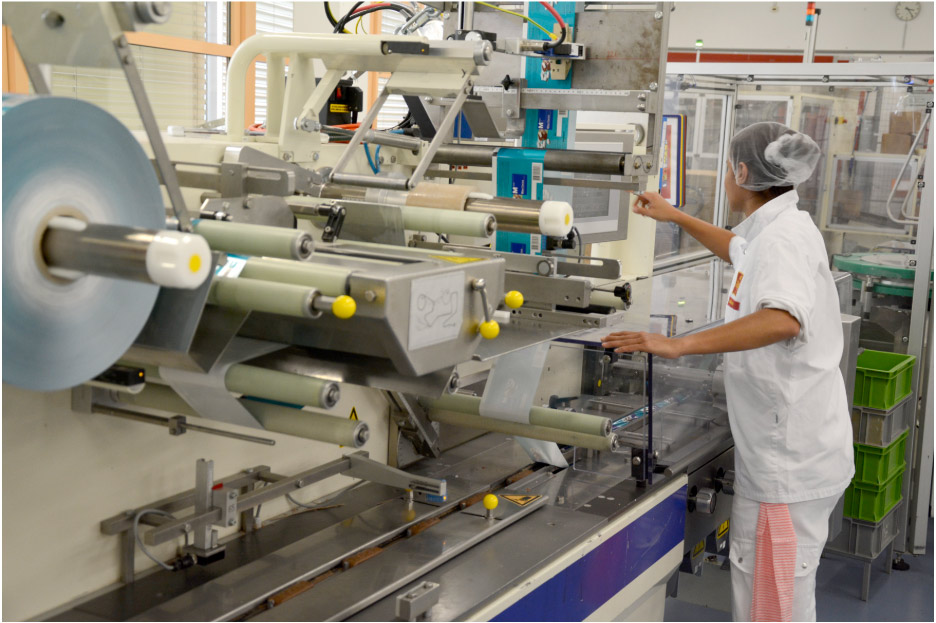
Application testing is essential before approving an ink. Testing should use:
- Actual packaging
- Actual production speed
- Actual printer
- Actual code format
- Actual environmental conditions
- Actual handling process
Laboratory testing alone may not capture every production variable. A structured test should evaluate:
- Initial print quality
- Drying time
- Adhesion
- Contrast
- Barcode grade
- Moisture resistance
- Chemical resistance
- Abrasion resistance
- Temperature resistance
- Long-term readability
Test the Complete Packaging Lifecycle
The code should be evaluated beyond the production line. Testing may include:
- Filling
- Capping
- Sealing
- Labeling
- Case packing
- Palletizing
- Refrigeration
- Freezing
- Retort
- Shipping simulation
- Retail display
- Consumer handling
A code may survive printing but fail later due to downstream processes.
Use a Formal Ink Qualification Process
Manufacturers should document ink approval. A qualification process may include:
- Substrate identification
- Packaging supplier
- Ink product
- Printer model
- Print settings
- Test conditions
- Adhesion results
- Dry-time results
- Resistance testing
- Barcode grades
- Quality approval
This record creates consistency and simplifies future troubleshooting.
Monitor Packaging Supplier Changes
Packaging suppliers may change:
- Resin
- Coatings
- Additives
- Recycled content
- Surface treatments
- Manufacturing processes
These changes can affect ink performance even when the package appears identical. Manufacturers should require notification of material changes and retest coding performance when necessary.
Monitor Recycled Content
CPG brands are using more recycled packaging materials. Recycled content can change:
- Surface texture
- Color
- Chemical composition
- Surface energy
- Absorbency
- Consistency
Ink performance should be validated whenever recycled content increases or packaging specifications change. Sustainability improvements should not compromise traceability or code quality.
Control the Surface Before Printing
Even the correct ink may fail if the surface is contaminated. Potential contaminants include:
- Water
- Oil
- Dust
- Mold-release agents
- Product residue
- Cleaning chemicals
- Adhesive
- Static particles
Manufacturers may need to:
- Reposition the coding station
- Add air knives
- Dry the surface
- Clean the package
- Reduce contamination
- Improve product handling
Ink selection and surface preparation should be considered together.
Position the Printer Correctly
Printhead position influences ink performance. The printhead should be mounted:
- At the correct distance
- At the correct angle
- Away from excessive vibration
- Where the package is stable
- After major contamination sources
- Before the next contact point
A poor print position may create smearing even with the correct ink.
Optimize Ink Drop and Print Settings
Printer settings can influence:
- Ink volume
- Character density
- Drying time
- Adhesion
- Barcode dimensions
- Contrast
Too much ink may cause spreading and slow drying. Too little ink may reduce contrast. Settings should be optimized for each substrate and code. Approved settings should be saved within controlled production recipes.
Automate Recipe Selection
Different products may require different inks, print settings, or code formats. Automated recipe selection can reduce setup errors. The production system may select:
- Product message
- Ink profile
- Print speed
- Character size
- Date calculation
- Barcode type
Role-based access should prevent unauthorized changes.
Verify Code Quality
Vision inspection systems can confirm whether the selected ink is producing acceptable codes. Inspection may evaluate:
- Code presence
- Contrast
- Character formation
- Barcode readability
- 2D code quality
- Position
- Smearing
- Missing dots
Tracking verification results can reveal declining ink or printer performance.
Monitor Ink Performance Over Time
Performance should not be assumed to remain constant. Manufacturers should monitor:
- Reject rates
- Smudge incidents
- Barcode grades
- Drying time
- Cleaning frequency
- Ink consumption
- Retailer complaints
- Seasonal changes
Environmental shifts between summer and winter may affect drying and adhesion. Trend data can identify issues before they become major problems.
Train Operators
Operators should understand the importance of using the correct ink. Training should cover:
- Approved ink identification
- Container labeling
- Storage
- Installation
- Spill response
- Safety requirements
- Cleaning
- Changeovers
- Escalation procedures
Using the wrong ink can create extensive downtime and product waste. Color coding, scanning, or locked consumable systems can reduce mistakes.
Maintain Accurate Ink Records
Manufacturers should document:
- Ink type
- Ink batch number
- Printer
- Production line
- Product
- Packaging substrate
- Date of use
- Quality results
These records can support:
- Troubleshooting
- Supplier communication
- Quality investigations
- Recall reviews
- Continuous improvement
Consider Sustainability
Ink selection can affect sustainability through:
- Solvent use
- Packaging waste
- Cleaning waste
- Consumable containers
- VOC emissions
- Rework
- Product scrap
Manufacturers should evaluate inks that improve efficiency while meeting performance requirements. However, sustainability claims should not override code quality or product safety. A code that fails and causes product waste may have a greater environmental impact than a more durable formulation.
Evaluate VOC and Safety Requirements
Some industrial inks contain volatile organic compounds. Facilities should consider:
- Ventilation
- Worker exposure
- Flammability
- Storage regulations
- Waste handling
- Local environmental requirements
Safety data sheets should be reviewed before use. Employees should receive appropriate training and personal protective equipment where required.
Know When Ink Is Not the Best Solution
Some applications may be better suited to another marking technology. Laser marking may be preferable when manufacturers require:
- Permanent codes
- No ink consumables
- High abrasion resistance
- Minimal routine maintenance
Thermal transfer may be preferable for certain flexible films. Print-and-apply labeling may be preferable on rough or inconsistent cases. The goal should be selecting the best coding method for the application, not forcing inkjet into every situation.
Common Ink Selection Mistakes
Manufacturers should avoid:
- Selecting ink without testing the actual package
- Ignoring surface treatment
- Choosing based only on color
- Failing to measure drying time
- Testing only at room temperature
- Ignoring condensation
- Using unapproved fluids
- Failing to test downstream processes
- Overlooking chemical exposure
- Assuming similar plastics behave the same
- Ignoring packaging supplier changes
- Failing to verify barcode quality
These mistakes can create avoidable production and traceability problems.
A Practical Ink Selection Checklist
Before approving an ink, manufacturers should confirm:
Substrate
- What is the exact material?
- Is it coated, treated, or laminated?
- Does it contain recycled content?
Production Conditions
- What is the package temperature?
- Is the surface wet, dusty, or oily?
- How fast is the line?
Code Requirements
- Is the code text, barcode, or 2D?
- How small is the print?
- What contrast is required?
Durability
- Must the code resist water?
- Must it resist chemicals?
- Will it be frozen, heated, or retorted?
- How much abrasion will it experience?
Operations
- Is the ink approved for the printer?
- What maintenance does it require?
- How will it be stored?
- What is its shelf life?
Compliance
- Is there any food-contact concern?
- Are safety and environmental requirements satisfied?
- Does the customer require a specific performance standard?
Best Practices for Choosing Ink for CPG Substrates
A reliable ink selection process should include:
- Precise substrate identification
- Surface energy evaluation
- Actual production testing
- Dry-time measurement
- Adhesion testing
- Environmental resistance testing
- Barcode verification
- Printer compatibility confirmation
- Approved consumable controls
- Documented qualification
- Packaging supplier change monitoring
- Operator training
- Ongoing performance measurement
These practices help manufacturers reduce risk and maintain consistent coding quality.
Conclusion
Choosing the correct ink for CPG substrates is essential for reliable product identification, traceability, compliance, and production efficiency. Packaging materials vary widely in surface energy, texture, absorbency, temperature, coating, and chemical resistance. As a result, no single industrial ink is appropriate for every application. Manufacturers must evaluate the complete operating environment, including:
- Substrate
- Line speed
- Package temperature
- Moisture
- Code content
- Drying time
- Handling
- Distribution
- Chemical exposure
- Product lifecycle
The strongest ink selection programs combine controlled application testing, approved consumables, automated recipe management, vision verification, preventive maintenance, and ongoing performance monitoring.
By selecting an ink based on actual production requirements rather than appearance or price alone, CPG manufacturers can reduce smudging, improve adhesion, minimize waste, and maintain clear, dependable codes throughout the supply chain.
Contact REA JET to learn how industrial coding systems, application testing, specialized inks, software integration, and code verification solutions can help identify the right marking approach for your CPG packaging substrates.
 Or call 440-232-0555
Featured Coding & Marking Technologies View all
Most-requested coding & marking systems.
- 01 Large Character Inkjet Printers (DOD) Direct-to-product marking for cases, pallets, lumber, building materials and other porous surfaces
- 02 High-Resolution Inkjet Printers Print sharp text, logos, barcodes and 2D codes directly on products and packaging
- 03 Laser Systems Permanent, maintenance-free marking for traceability, compliance and product identification
- 04 Barcode Verification Systems Verify barcode quality and readability to meet retailer, GS1 and customer requirements
- 05 Small Character Inkjet Print date, lot, batch and traceability codes for production lines and packaging
- 06 Spray Mark Technology Reliable product identification and defect marking for manufacturing and industrial processes