

For consumer packaged goods manufacturers, product recalls are among the most disruptive and expensive events a company can face.
A recall can affect production, distribution, retailer relationships, regulatory standing, consumer trust, and brand reputation. When manufacturers cannot quickly identify which products are affected, where those products were produced, or where they were distributed, the impact can expand rapidly.
That is why CPG recall readiness depends on far more than having a written crisis plan.
Manufacturers need accurate product identification, reliable lot and batch coding, integrated production data, supply chain visibility, and clearly defined procedures for locating and isolating affected products. They must be able to trace materials and finished goods through every relevant stage of production and distribution.
Effective traceability helps manufacturers answer critical questions quickly:
- Which products are affected?
- When and where were they produced?
- Which ingredients or components were used?
- Which production lines and shifts were involved?
- Where were the products shipped?
- Which customers or retailers received them?
- How much inventory remains in the supply chain?
Without this information, a targeted recall can become a broad, costly, and highly disruptive response.
This guide explores the traceability requirements CPG manufacturers should address to improve recall readiness, reduce risk, and create a more resilient supply chain.
What Is CPG Recall Readiness?
CPG recall readiness is the ability of a manufacturer to identify, contain, communicate, and manage a product recall quickly and accurately. A recall-ready organization can:
- Detect potential product issues
- Identify affected production
- Trace ingredients and packaging materials
- Locate finished goods
- Notify supply chain partners
- Remove affected products
- Document corrective actions
- Demonstrate compliance
Recall readiness involves people, processes, equipment, and data. It requires coordination across:
- Manufacturing
- Quality assurance
- Food safety
- Regulatory affairs
- Supply chain
- Distribution
- Information technology
- Customer service
- Communications
- Legal teams
Traceability provides the data foundation that allows these teams to act efficiently.
Why Traceability Is Essential for Recall Management
A recall is only as precise as the traceability system supporting it. When traceability is weak, manufacturers may be forced to recall products that were not actually affected. This can result in:
- Unnecessary product destruction
- Higher logistics costs
- Greater retailer disruption
- Increased lost sales
- Expanded media attention
- Damage to consumer confidence
A strong traceability system narrows the scope of a recall. For example, instead of recalling every product produced during an entire week, a manufacturer may be able to identify a specific:
- Production line
- Shift
- Ingredient lot
- Packaging material
- Time window
- Batch
- Distribution group
This level of precision can significantly reduce the financial and operational impact. Strong product recall traceability also helps manufacturers identify root causes, document corrective actions, and improve future quality controls.
Core CPG Traceability Requirements
A recall-ready traceability program should capture accurate information at every critical stage. The exact requirements vary based on product type, industry, customer expectations, and applicable regulations, but several core elements apply broadly across CPG manufacturing.
Raw Material and Ingredient Traceability
Traceability begins before production starts. Manufacturers should be able to identify the source of all relevant inputs, including:
- Ingredients
- Raw materials
- Components
- Packaging materials
- Labels
- Closures
- Containers
- Additives
Each incoming lot should be connected to supplier information and receiving records. Important data may include:
- Supplier name
- Supplier lot number
- Internal lot number
- Receiving date
- Quantity received
- Inspection results
- Storage location
- Certificate information
- Expiration date
This information allows manufacturers to trace finished goods back to the materials used during production.
If a supplier later reports a contamination or quality issue, the manufacturer should be able to identify every product made with the affected material.
Lot and Batch Identification
Lot and batch codes are fundamental to CPG recall readiness. These codes group products based on defined production conditions. A lot or batch may reflect:
- Production date
- Production time
- Manufacturing facility
- Production line
- Shift
- Recipe
- Ingredient lots
- Packaging run
Lot coding allows manufacturers to connect a finished product with its production history. A well-designed lot code should be:
- Unique
- Consistent
- Machine-readable when possible
- Human-readable
- Easy to interpret internally
- Durable throughout the product lifecycle
Lot codes should be applied clearly to primary or secondary packaging and should remain visible through distribution and retail handling.
Date Coding Requirements
Date codes provide important information about production timing and product shelf life. Common date codes include:
- Production date
- Packaging date
- Best-before date
- Use-by date
- Sell-by date
- Expiration date
These codes may help define recall scope when an issue is linked to a specific production period. Date coding systems should use approved production data and automated calculations whenever possible. Manual entry increases the risk of:
- Incorrect dates
- Inconsistent formats
- Wrong shelf-life calculations
- Misidentified production runs
Accurate date coding strengthens the connection between physical products and manufacturing records.
Product Identification

Every product should be associated with a clear identifier. Depending on the application, product identification may include:
- SKU
- Global Trade Item Number
- UPC
- EAN
- Internal product code
- Customer-specific identifier
- Package size
- Flavor or variety
- Product version
This information helps distinguish affected products from similar items. For example, a recall may involve one package size or flavor while other products remain unaffected. Consistent product identification helps manufacturers prevent unnecessary expansion of the recall.
Packaging Material Traceability
Packaging can be a source of recall events. Potential issues may include:
- Incorrect labels
- Undeclared allergens
- Defective seals
- Contaminated containers
- Incorrect instructions
- Damaged closures
- Printing errors
Manufacturers should track packaging materials by lot or production batch whenever practical. This may include:
- Labels
- Cartons
- Bottles
- Cans
- Caps
- Films
- Pouches
- Trays
- Corrugated cases
Packaging traceability is especially important when products share similar containers or artwork. A mislabeled package can create serious consumer safety risks even when the product itself is correctly manufactured.
Production Process Traceability
Recall readiness requires more than knowing which materials were used. Manufacturers should also capture relevant production information. This may include:
- Production line
- Equipment used
- Start and stop times
- Operator or shift
- Processing temperatures
- Quality checks
- Cleaning records
- Changeover records
- Inspection results
- Maintenance events
These records help identify whether an issue was isolated to a particular production condition. For example, if a contamination risk occurred on one line during a specific time period, traceability data can help isolate the affected output.
Finished Goods Identification
Finished products should maintain a clear connection to production records. This connection is typically established through:
- Lot codes
- Batch codes
- Date codes
- Barcodes
- Serialized identifiers
- Case labels
- Pallet labels
As products move from production into storage and distribution, their identity should remain intact. Manufacturers should avoid processes that break the relationship between finished goods and their production history.
Warehouse and Inventory Traceability

Recall readiness extends into the warehouse. Manufacturers should be able to identify:
- Where finished goods are stored
- How much inventory remains
- Which lots were moved
- Which pallets contain affected products
- Which products were reworked
- Which products were placed on hold
- Which products were released
Warehouse management systems can improve visibility by tracking products through:
- Receiving
- Put-away
- Picking
- Staging
- Shipping
Accurate inventory traceability helps prevent affected products from leaving the facility after a recall decision is made.
Distribution Traceability
Manufacturers must be able to trace products beyond their own facility. Distribution records should identify:
- Customer
- Distributor
- Retailer
- Distribution center
- Shipment date
- Shipment quantity
- Lot numbers
- Case identifiers
- Pallet identifiers
This information enables fast notification and product removal. If shipment records are incomplete or disconnected from production data, locating affected inventory becomes much more difficult. Supply chain traceability for CPG should support both backward and forward tracing. Backward tracing identifies where materials came from. Forward tracing identifies where finished goods were shipped.
One Step Back and One Step Forward
A basic traceability principle is the ability to identify:
- The immediate source of each material
- The immediate recipient of each finished product
This is often referred to as one step back and one step forward. However, modern recall readiness increasingly requires deeper end-to-end visibility. Manufacturers benefit from understanding not only their immediate supplier and customer, but also how products move through multiple levels of the supply chain. Greater visibility can improve:
- Recall speed
- Supplier risk management
- Distribution coordination
- Root-cause analysis
- Consumer communication
The Role of Product Coding in Recall Readiness
Coding and marking systems create the physical connection between a product and its digital traceability record. These systems apply information such as:
- Lot numbers
- Batch numbers
- Date codes
- Serial numbers
- Barcodes
- Data Matrix codes
- QR codes
Reliable coding is essential because traceability data becomes much less valuable when the code on the product is missing or unreadable. A product coding program should ensure that every required code is:
- Present
- Accurate
- Legible
- Durable
- Properly positioned
- Connected to the correct product record
Coding errors can create serious recall complications. For example, an incorrect lot code may cause affected products to be overlooked or unaffected products to be recalled unnecessarily.
Choosing the Right Coding Technology
Different CPG products require different coding technologies. Common options include:
Continuous Inkjet
Continuous Inkjet is widely used for high-speed coding on:
- Bottles
- Cans
- Jars
- Pouches
- Flexible packaging
- Containers
CIJ is useful for lot codes, date codes, and variable information on fast-moving lines.
Thermal Inkjet
Thermal Inkjet provides high-resolution printing for:
- Cartons
- Labels
- Barcodes
- 2D codes
- Secondary packaging
TIJ is often selected when code clarity and machine readability are priorities.
Laser Marking
Laser marking creates durable codes without ink.
It may be used on:
- Glass
- Metal
- Plastics
- Coated cartons
- Labels
Laser systems can reduce consumable usage and produce permanent marks.
Thermal Transfer Overprinting
Thermal transfer is commonly used on:
- Flexible films
- Bags
- Pouches
- Labels
It supports high-quality text, barcodes, and variable data.
Print-and-Apply Labeling
Print-and-apply systems are often used for:
- Cases
- Cartons
- Pallets
- Shipping labels
These systems support logistics traceability and distribution visibility. The correct technology depends on substrate, line speed, code content, durability requirements, and environmental conditions.
Barcode and 2D Code Requirements
Barcodes help automate data capture throughout manufacturing and distribution. Traditional linear barcodes are commonly used for product identification and logistics. 2D codes can carry additional information such as:
- Product identifier
- Lot number
- Expiration date
- Serial number
- Web-based product information
As CPG manufacturers prepare for broader 2D code adoption, printing and verification requirements will become more demanding. Codes must have:
- Adequate resolution
- Strong contrast
- Correct dimensions
- Clear quiet zones
- Accurate encoded data
- Consistent placement
A barcode that appears readable to the human eye may still fail in a scanning environment. Automated verification helps ensure reliable performance.
Serialization and Recall Precision
Traditional lot coding identifies groups of products. Serialization assigns a unique identifier to each individual unit. A CPG serialization program can provide greater recall precision by allowing manufacturers to identify specific products. Potential benefits include:
- Individual product tracking
- Improved authentication
- Narrower recall scope
- Better supply chain visibility
- Enhanced consumer communication
Serialization is not required for every CPG category, but it is becoming more relevant as traceability expectations increase. Manufacturers considering serialization should evaluate:
- Data volume
- Printing requirements
- Packaging line speed
- Verification
- System integration
- Supply chain data sharing
Automated Code Verification
Printing a code does not guarantee that the code is correct. Vision inspection systems can verify:
- Code presence
- Correct content
- Readability
- Placement
- Contrast
- Barcode quality
- 2D code quality
When an error is detected, the system can:
- Reject the product
- Alert an operator
- Stop the line
- Record the incident
Inline verification reduces the risk of incorrectly coded products entering the supply chain. This is especially important on high-speed CPG lines where a short coding failure can affect thousands of units.
Data Integration Requirements
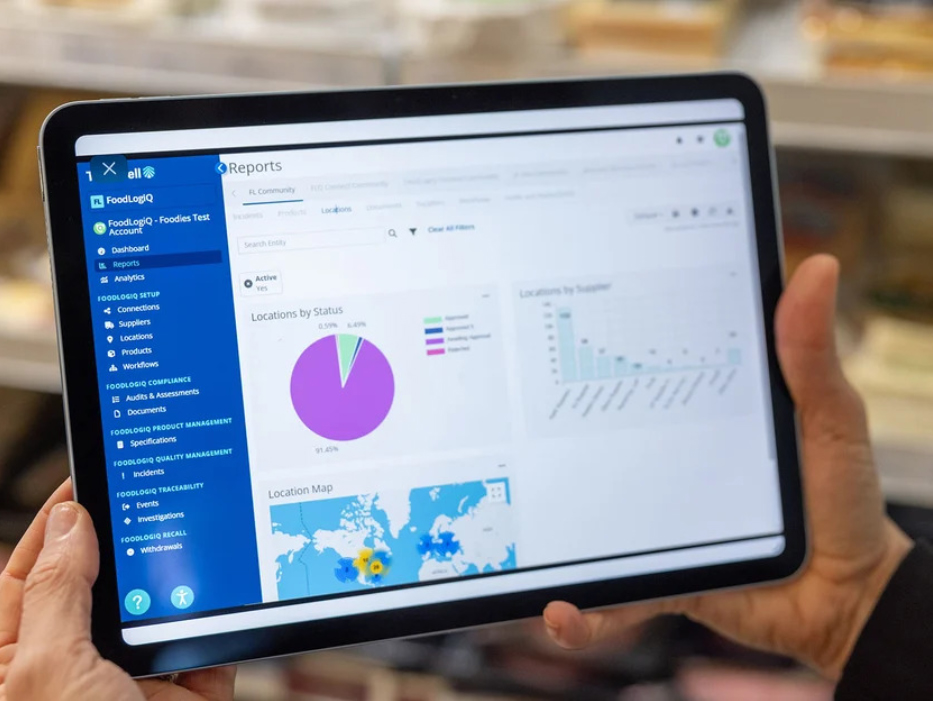
Recall readiness depends on connecting physical codes to accurate digital records.
Coding and traceability systems should integrate with:
- ERP platforms
- Manufacturing execution systems
- Warehouse management systems
- Quality management systems
- Product databases
- Supply chain platforms
Integration allows production systems to automatically supply the correct:
- Product code
- Lot number
- Expiration date
- Serial number
- Packaging information
- Customer information
This reduces manual entry and creates a more reliable audit trail.
Protecting Data Accuracy
Traceability systems are only as reliable as the data they contain. Manufacturers should establish controls for:
- Data entry
- Message approval
- Product setup
- Lot creation
- Date calculations
- Recipe selection
- User access
- Record retention
Role-based permissions can limit who is allowed to create or modify coding formats. Audit trails can record:
- Who made a change
- What was changed
- When the change occurred
- Which products were affected
Strong data governance supports recall investigations and compliance reviews.
Creating a Recall Traceability Plan
Manufacturers should document how traceability data will be used during a recall. A recall traceability plan should define:
- Who leads the recall
- How affected lots are identified
- Which systems contain relevant data
- How products are placed on hold
- How customers are notified
- How distribution records are reviewed
- How recovery is tracked
- How effectiveness is measured
The plan should also identify backup procedures in case primary systems are unavailable. A documented process reduces confusion during a high-pressure event.
Conducting Mock Recalls
Mock recalls are one of the most effective ways to test CPG recall readiness. A mock recall simulates an actual product recall and measures how quickly the organization can identify and account for affected products. A typical exercise may involve:
- Selecting a raw material lot
- Identifying finished products made with that lot
- Locating remaining inventory
- Identifying customers who received the products
- Calculating product recovery percentages
- Measuring response time
Mock recalls reveal gaps in:
- Data quality
- Coding
- Recordkeeping
- Communication
- Distribution tracking
- Team responsibilities
Manufacturers should document results and implement corrective actions after each exercise.
Measuring Recall Effectiveness
A recall-ready organization should be able to account for affected product quickly. Key measures may include:
- Time to identify affected lots
- Time to identify customers
- Percentage of product accounted for
- Quantity remaining in inventory
- Quantity shipped
- Quantity recovered
- Quantity consumed or disposed of
- Number of data discrepancies
These metrics help manufacturers evaluate traceability performance and identify areas for improvement.
Managing Rework and Repackaging
Rework can create traceability challenges. When products are reprocessed, relabeled, or repackaged, manufacturers must preserve the connection to original production records. The traceability system should document:
- Original lot
- Rework date
- New lot assignment
- Quantity reworked
- Reason for rework
- Packaging changes
- Final disposition
Without these records, affected products may become difficult to locate during a recall.
Managing Product Holds
When a potential issue is identified, manufacturers may place products on hold while an investigation occurs. The system should clearly identify:
- Which lots are on hold
- Where they are located
- Why they are being held
- Who authorized the hold
- Whether shipments have stopped
- Final disposition
Physical labels and digital status controls should work together. This prevents held products from being accidentally released.
Supplier Traceability Requirements
Manufacturers should establish traceability expectations for suppliers. Supplier requirements may include:
- Consistent lot identification
- Accurate shipping records
- Certificates of analysis
- Ingredient origin information
- Recall notification procedures
- Record retention
- Response-time expectations
Supplier performance should be evaluated regularly. Weak supplier traceability can undermine the manufacturer’s entire recall program.
Customer and Retailer Requirements
Retailers and distributors may establish traceability and labeling standards that exceed basic regulatory requirements. These may include:
- Specific barcode formats
- Case labeling
- Pallet labeling
- Data sharing
- Recall notification timelines
- Product coding standards
Manufacturers should understand these requirements before products enter production. Failure to meet retailer standards can result in:
- Chargebacks
- Shipment rejection
- Delisting
- Additional audits
- Increased operational costs
Record Retention
Traceability records must remain available for an appropriate period. Retention requirements may depend on:
- Product shelf life
- Regulatory requirements
- Customer agreements
- Industry standards
- Corporate policy
Records may include:
- Production logs
- Ingredient records
- Packaging records
- Quality checks
- Distribution records
- Coding data
- Inspection results
- Recall documentation
Digital records should be secure, backed up, and accessible during audits or investigations.
Cybersecurity and Traceability Systems
As traceability becomes more digital, cybersecurity becomes an important consideration. Manufacturers should protect traceability data from:
- Unauthorized access
- Data manipulation
- System outages
- Ransomware
- Accidental deletion
Security measures may include:
- Role-based access
- Network segmentation
- Data backups
- User authentication
- Change logs
- Disaster recovery plans
A cyberattack that makes traceability data unavailable could severely delay a recall response.
Training Employees for Recall Readiness
Employees must understand their role in the traceability process. Training should cover:
- Lot code interpretation
- Coding system operation
- Product hold procedures
- Recordkeeping
- Escalation procedures
- Recall team responsibilities
- Data accuracy
- Mock recall participation
Training should be refreshed periodically and whenever processes or systems change.
Common Traceability Gaps
Several recurring problems can weaken CPG recall readiness. These include:
- Missing lot codes
- Unreadable date codes
- Manual recordkeeping errors
- Disconnected production systems
- Incomplete shipping data
- Poor supplier records
- Uncontrolled product rework
- Inadequate packaging traceability
- Weak user access controls
- Infrequent mock recalls
Manufacturers should review these areas regularly and address weaknesses before an actual event occurs.
Building End-to-End CPG Traceability
The strongest recall programs connect data across the full product lifecycle. This includes:
- Supplier materials
- Receiving
- Storage
- Production
- Packaging
- Quality inspection
- Finished goods
- Warehousing
- Distribution
- Customer delivery
End-to-end visibility allows manufacturers to follow products backward and forward through the supply chain. This creates greater confidence during investigations and helps organizations respond faster.
Preparing for Future Traceability Requirements
Traceability expectations continue to evolve. Emerging developments include:
- Expanded 2D barcode use
- GS1 Digital Link
- Digital product passports
- Increased serialization
- Cloud-based supply chain platforms
- Real-time inventory visibility
- Consumer-accessible product information
Manufacturers investing in new coding and traceability systems should consider future scalability. Equipment and software should be capable of supporting:
- More complex data
- Higher-resolution codes
- Additional production lines
- Multiple facilities
- New regulatory requirements
- Retailer data-sharing expectations
Best Practices for CPG Recall Readiness
A strong recall readiness program should include:
- Standardized lot and date coding
- Reliable product identification
- Raw material traceability
- Packaging material traceability
- Production data capture
- Distribution tracking
- Automated code verification
- Integrated production systems
- Role-based access controls
- Regular mock recalls
- Documented recall procedures
- Supplier traceability standards
- Employee training
- Ongoing performance measurement
These practices help manufacturers respond faster and reduce recall impact.
Conclusion
Effective CPG recall readiness depends on accurate, connected, and reliable traceability.
Manufacturers must be able to identify raw materials, production conditions, finished goods, warehouse inventory, and distribution destinations quickly and confidently.
Lot coding, date coding, barcodes, serialization, vision inspection, and data integration all play important roles in creating this visibility.
A strong traceability program allows manufacturers to reduce recall scope, improve response speed, protect consumers, and maintain stronger relationships with retailers and supply chain partners.
By combining reliable coding technology with disciplined processes, integrated data, regular testing, and clear accountability, CPG manufacturers can build a more resilient recall program.
Contact REA JET to learn how industrial coding, marking, serialization, software integration, and code verification solutions can strengthen traceability and improve recall readiness across your CPG operations.
 Or call 440-232-0555
Featured Coding & Marking Technologies View all
Most-requested coding & marking systems.
- 01 Large Character Inkjet Printers (DOD) Direct-to-product marking for cases, pallets, lumber, building materials and other porous surfaces
- 02 High-Resolution Inkjet Printers Print sharp text, logos, barcodes and 2D codes directly on products and packaging
- 03 Laser Systems Permanent, maintenance-free marking for traceability, compliance and product identification
- 04 Barcode Verification Systems Verify barcode quality and readability to meet retailer, GS1 and customer requirements
- 05 Small Character Inkjet Print date, lot, batch and traceability codes for production lines and packaging
- 06 Spray Mark Technology Reliable product identification and defect marking for manufacturing and industrial processes