
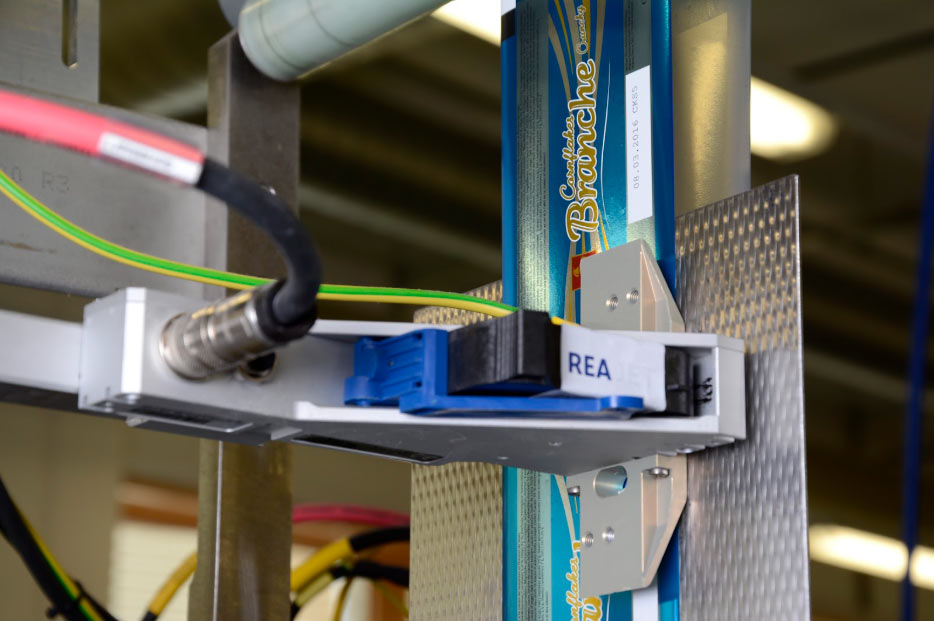
In the fast-moving world of consumer packaged goods, reliable product identification is essential. CPG coding and marking systems play a critical role in ensuring traceability, regulatory compliance, and operational efficiency across manufacturing and distribution.
From expiration dates on food packaging to serialized codes used in global supply chains, coding systems allow manufacturers to track products, protect consumers, and maintain brand integrity. As regulatory expectations grow and packaging technologies evolve, companies must understand how coding and marking solutions integrate into modern production environments.
This comprehensive guide explores how CPG coding and marking works, why traceability matters, and how manufacturers can choose the right technology for their packaging lines.
What Is Coding and Marking in CPG Manufacturing?
Coding and marking refers to the process of applying essential product information directly onto packaging or products during manufacturing. These marks can include dates, batch numbers, barcodes, regulatory information, and traceability identifiers.
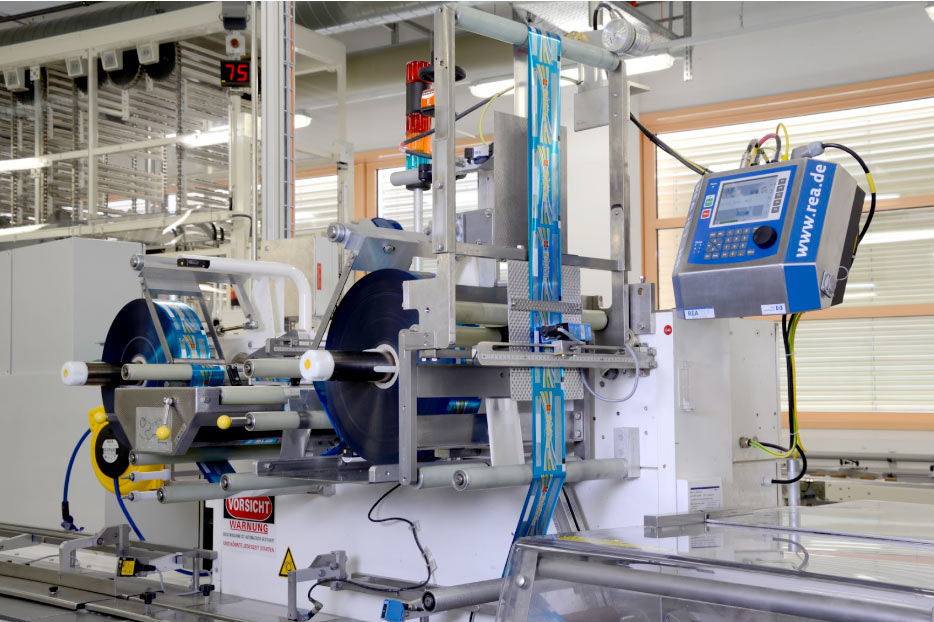
In CPG manufacturing, coding systems are typically integrated directly into packaging lines so that codes are applied automatically as products move through production. This ensures consistent, accurate marking without slowing throughput.
Common types of product codes include:
- Production batch numbers
- Lot identification codes
- Expiration or best-before dates
- Manufacturing timestamps
- Serialized identification numbers
- Barcodes and 2D data codes
These identifiers allow products to be tracked throughout the supply chain, from manufacturing facilities to retail shelves.
Reliable consumer packaged goods coding also ensures that critical information remains readable throughout distribution and storage. Durable marking technologies help prevent smudging, fading, or damage that could compromise traceability.
These identifiers allow products to be tracked throughout the supply chain, from manufacturing facilities to retail shelves.
Reliable consumer packaged goods coding also ensures that critical information remains readable throughout distribution and storage. Durable marking technologies help prevent smudging, fading, or damage that could compromise traceability.
Why Traceability Matters for Consumer Packaged Goods
Traceability is one of the primary drivers behind CPG coding and marking systems. In highly regulated industries such as food, beverage, pharmaceuticals, and personal care, the ability to track products quickly and accurately is essential.
Traceability helps manufacturers maintain quality control, respond to recalls efficiently, and comply with regulatory requirements.
Batch and Lot Codes
Batch and lot codes allow manufacturers to identify specific production runs. These codes provide valuable information about when and where a product was produced.
If a quality issue arises, manufacturers can quickly isolate the affected batch rather than recalling an entire product line. This reduces financial risk and minimizes disruption to consumers and retailers.
Batch coding for packaging is therefore a foundational element of packaging traceability systems.
Expiration and Date Coding
Date coding packaging ensures consumers know when products should be used or consumed. Expiration dates, best-before labels, and manufacturing dates all fall under this category.
Accurate date coding protects consumers by preventing the distribution of expired products. It also helps retailers manage inventory rotation and minimize waste.
Reliable date coding packaging systems must operate at high speeds while maintaining clear, legible marks.
Barcodes and 2D Codes
Barcodes and 2D codes enable automated scanning and digital traceability throughout supply chains. Retailers use them for inventory management and point-of-sale systems, while manufacturers use them for product identification and logistics tracking.
2D codes such as Data Matrix and QR codes can store far more information than traditional barcodes. They are increasingly used in packaging traceability systems and consumer engagement applications.
The Most Common Coding Technologies Used in CPG
Several technologies dominate the CPG coding and marking landscape. Each has advantages depending on packaging materials, production speeds, and marking requirements.
Continuous Inkjet (CIJ)
Continuous Inkjet technology is one of the most widely used solutions for consumer packaged goods coding. CIJ printers generate a continuous stream of ink droplets that are precisely directed to create characters and codes.
CIJ systems are valued for their speed and versatility. They can mark on a wide range of materials, including plastics, metal cans, glass bottles, flexible films, and cartons.
Because CIJ is a non-contact printing method, it works well on curved or uneven surfaces commonly found in packaging environments.
High-Resolution Inkjet
High-resolution inkjet systems produce detailed text, logos, and complex codes such as 2D barcodes. These systems are commonly used when packaging requires high-quality graphics or larger codes.
High-resolution inkjet technology is often applied to cartons, cases, and secondary packaging. The improved clarity supports scannable codes and brand consistency.
Laser Marking
Laser marking systems use focused beams of light to permanently alter the surface of a material. This technology eliminates the need for inks or consumables.
Laser systems are ideal for materials such as glass, metal, and certain plastics. They provide permanent, high-contrast marks that resist smudging or fading.
In many cases, laser coding is chosen for applications requiring long-term durability and minimal maintenance.
How Coding Systems Integrate Into Packaging Lines
Modern industrial coding and marking systems are designed to integrate seamlessly into automated packaging lines.
Coding equipment is typically positioned after filling, sealing, or labeling processes so that the final product packaging receives its identification marks before leaving the line.
Sensors detect product movement and trigger the coding system to apply marks at the correct location. Advanced controllers manage variable data and synchronize codes with production information.
Integration with factory software systems allows manufacturers to update coding templates automatically, ensuring consistency across shifts and facilities.
Quality control systems may also include vision inspection technology that verifies the readability of codes before products continue through the packaging process.
This integration ensures that coding and marking remain reliable even in high-speed production environments.
Key Compliance Requirements for CPG Manufacturers
CPG manufacturers must comply with a wide range of labeling and traceability regulations. These requirements vary by industry and geographic region but typically include product identification, expiration dates, and batch information.
Food safety regulations often require manufacturers to maintain detailed production records and provide clear date coding packaging. Pharmaceutical manufacturers must follow serialization requirements that enable unit-level traceability.
Failure to meet these requirements can result in product recalls, regulatory penalties, or reputational damage.
Reliable industrial coding and marking systems help manufacturers maintain compliance by ensuring consistent application of required information.
Automated systems reduce human error and maintain accurate records, supporting regulatory audits and quality assurance processes.
Selecting the right CPG coding and marking system requires evaluating several key factors.
Packaging Materials:
Different substrates—such as plastic films, glass bottles, or corrugated cartons—require different marking technologies.
Production Speed:
High-speed packaging lines require coding systems capable of maintaining accuracy without slowing production.
Code Complexity:
Simple date codes may require less advanced technology than serialized 2D codes used for traceability.
Environmental Conditions:
Dust, humidity, and temperature fluctuations can affect marking performance. Systems should be designed for the specific production environment.
Maintenance and Operating Costs:
Manufacturers should consider consumables, service requirements, and long-term reliability when selecting equipment.
By carefully evaluating these factors, companies can choose coding systems that support both operational efficiency and regulatory compliance.
Future Trends in CPG Coding and Marking
The future of CPG coding and marking is closely tied to digital transformation and supply chain transparency.
2D barcodes and QR codes are becoming increasingly common as manufacturers seek to improve traceability and consumer engagement. These codes allow packaging to connect directly to digital platforms, providing product information, authentication features, and marketing content.
Automation and Industry 4.0 technologies are also shaping the evolution of coding systems. Connected devices can monitor equipment performance, predict maintenance needs, and optimize production efficiency.
Sustainability is another major driver. Manufacturers are exploring marking technologies that reduce consumable usage while remaining compatible with recyclable packaging materials.
As these trends continue, CPG coding and marking systems will become even more integrated into smart manufacturing environments.

Conclusion
Coding and marking systems are essential components of modern consumer packaged goods manufacturing. They enable traceability, support regulatory compliance, and help protect both consumers and brands.
By understanding the technologies, integration strategies, and future trends shaping CPG coding and marking, manufacturers can implement solutions that improve efficiency, reliability, and long-term competitiveness.
Contact REA JET to explore how agile coding and marking can unlock your packaging potential.
 Or call 440-232-0555
Featured Coding & Marking Technologies View all
Most-requested coding & marking systems.
- 01 Large Character Inkjet Printers (DOD) Direct-to-product marking for cases, pallets, lumber, building materials and other porous surfaces
- 02 High-Resolution Inkjet Printers Print sharp text, logos, barcodes and 2D codes directly on products and packaging
- 03 Laser Systems Permanent, maintenance-free marking for traceability, compliance and product identification
- 04 Barcode Verification Systems Verify barcode quality and readability to meet retailer, GS1 and customer requirements
- 05 Small Character Inkjet Print date, lot, batch and traceability codes for production lines and packaging
- 06 Spray Mark Technology Reliable product identification and defect marking for manufacturing and industrial processes