
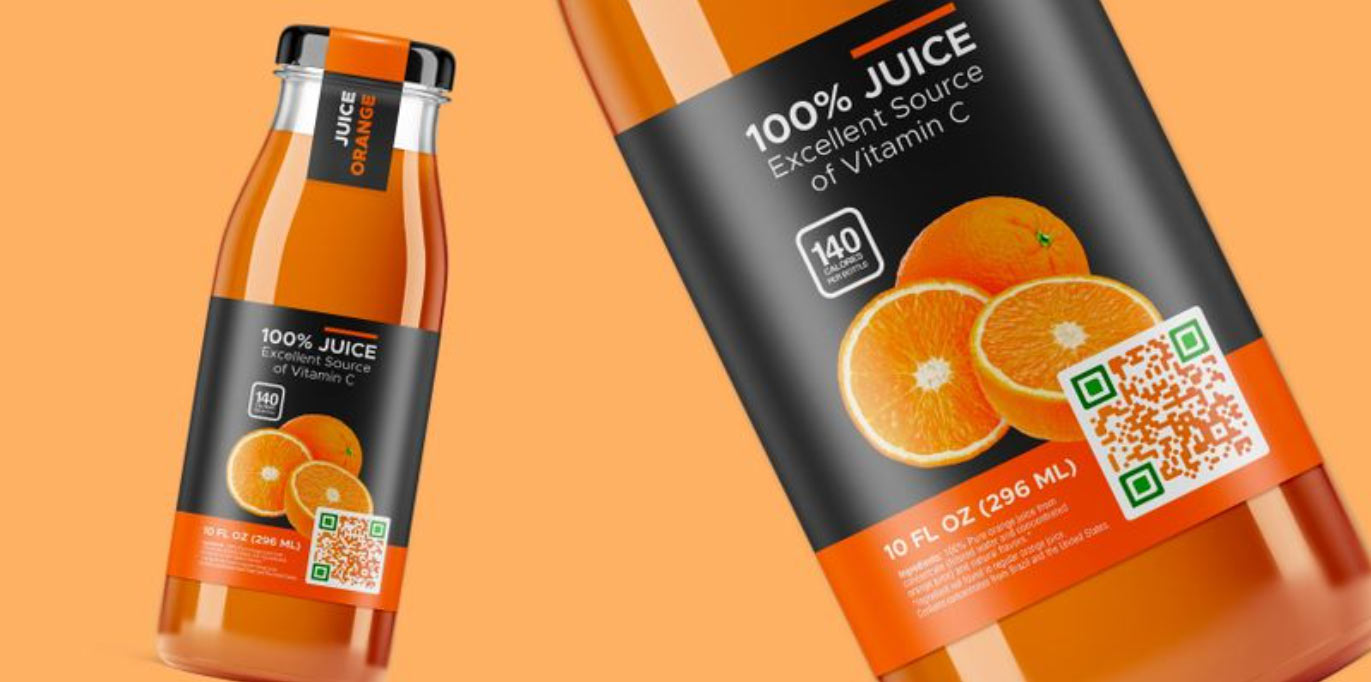
The consumer packaged goods industry is entering a major transition. Sunrise 2027 2D barcodes represent one of the most significant changes to retail packaging and product identification in decades. Led by global standards organization GS1, this initiative aims to introduce 2D barcodes across retail products, enabling richer data, improved traceability, and more efficient supply chain operations.
For manufacturers, Sunrise 2027 is more than a regulatory milestone—it is an opportunity to modernize packaging, enhance consumer engagement, and build more resilient supply chains. Companies that begin preparing early will be better positioned to adapt to evolving retailer requirements and digital commerce expectations.
This guide explores what Sunrise 2027 means, why the industry is moving toward 2D barcodes, and how manufacturers can prepare their packaging operations for the transition.
What Is Sunrise 2027?
GS1 Sunrise 2027 refers to a global initiative to transition retail scanning systems from traditional 1D barcodes to 2D barcodes. By 2027, retailers are expected to be capable of scanning and processing 2D barcode formats such as QR codes and Data Matrix codes alongside or in place of traditional barcodes.
Traditional barcodes contain limited data, typically only a product identifier. In contrast, 2D barcodes can store significantly more information in a compact format.
These codes can include:
- Product identification numbers
- Batch or lot codes
- Expiration dates
- Serial numbers
- Web links for digital information
This additional data capacity allows packaging to support new capabilities in supply chain transparency, consumer engagement, and inventory management.
For CPG brands, the Sunrise 2027 initiative marks a shift toward smarter, more connected packaging.
Why the Retail Industry Is Moving to 2D Barcodes
The retail barcode transition is being driven by several industry needs. Traditional 1D barcodes have served retailers for decades, but they cannot support the growing demand for real-time data and traceability.
2D barcodes packaging offers significantly more flexibility. A single code can contain both the product identifier and additional data elements, eliminating the need for multiple labels.
Retailers also benefit from improved inventory management and product verification. By scanning 2D codes, stores can access detailed information instantly, helping reduce errors and streamline operations.
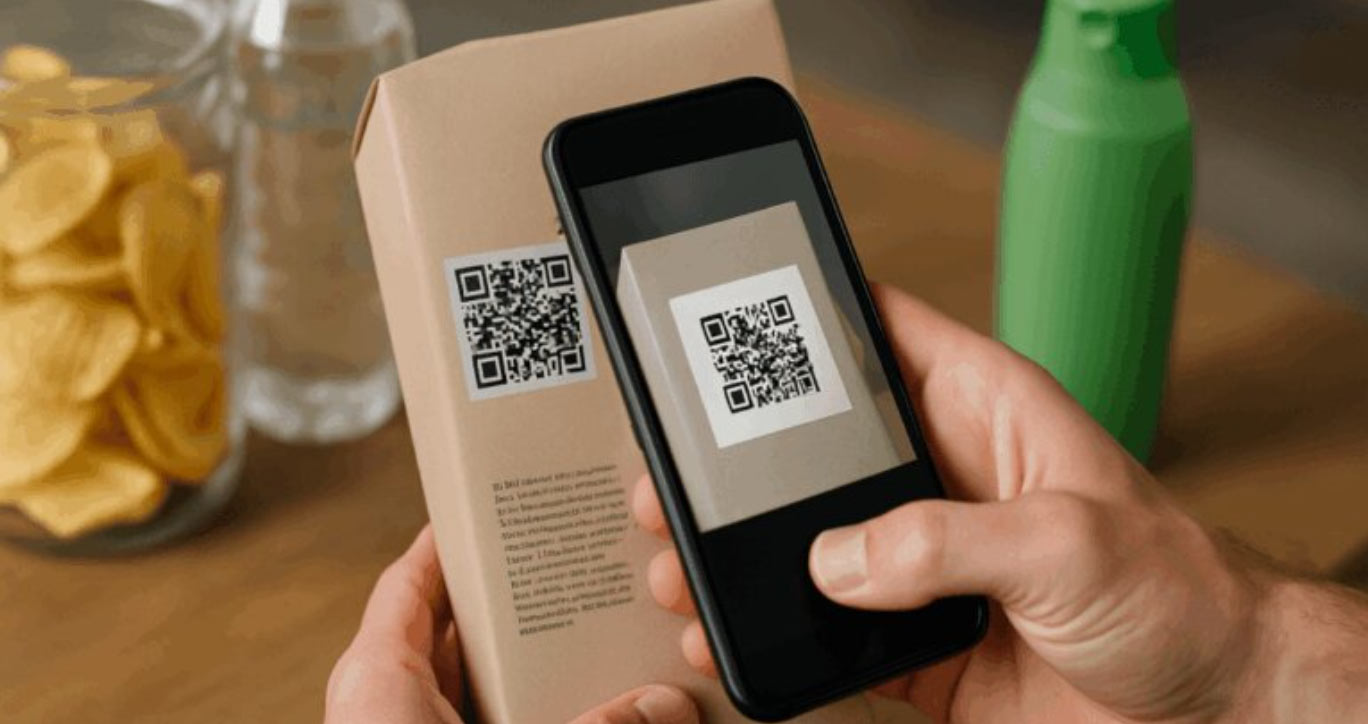
For consumers, 2D barcodes create new opportunities for engagement. Shoppers can scan packaging to access product information, ingredient details, promotions, or sustainability data.
These advantages make 2D barcodes a natural evolution in modern retail technology.
Benefits of 2D Codes for Manufacturers
While Sunrise 2027 is often discussed in terms of retail requirements, manufacturers stand to gain significant advantages from adopting 2D barcode technology.
More Product Data in One Code
Traditional barcodes store only a product identifier. Additional information must be communicated through separate labels or databases.
2D barcodes packaging allows manufacturers to encode multiple data points within a single symbol. This reduces packaging complexity while improving information accessibility.
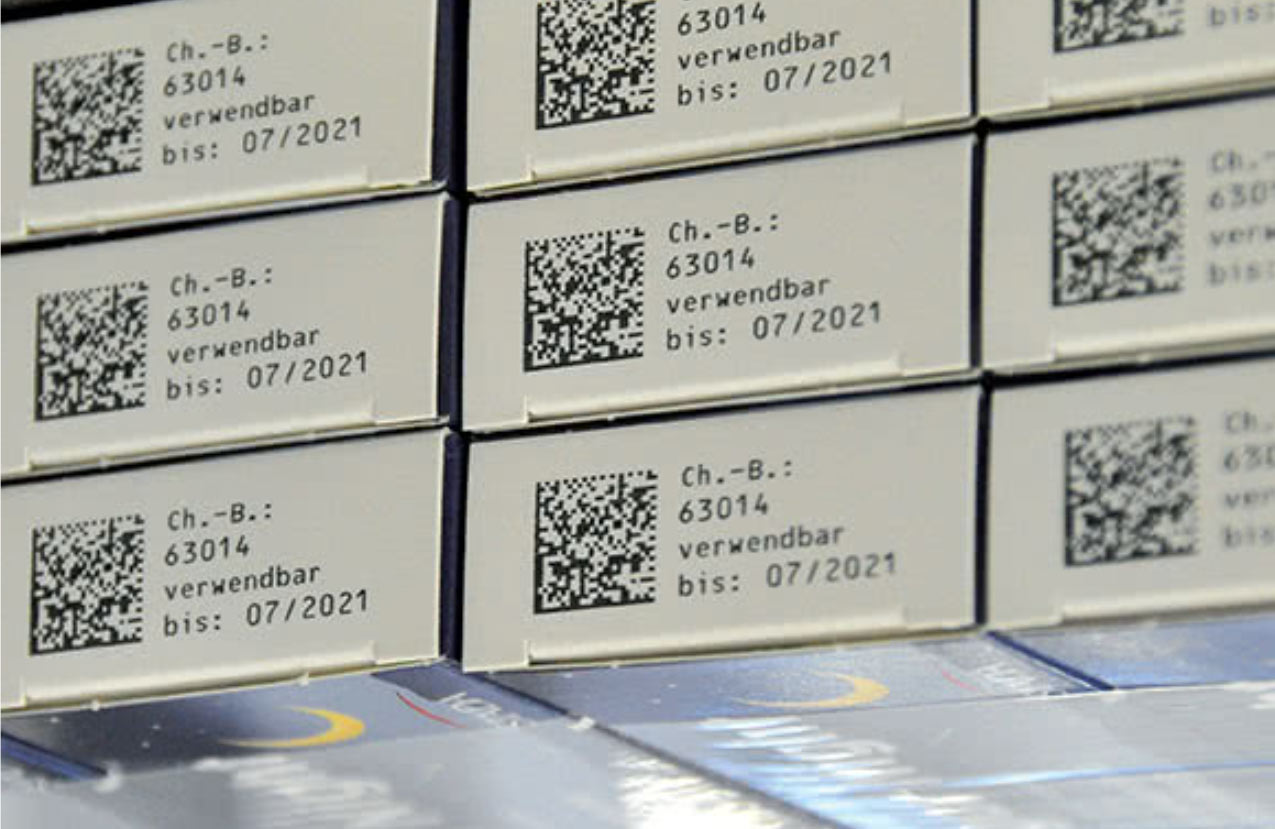
For example, a single Data Matrix code may contain the product number, batch code, and expiration date simultaneously.
Better Traceability & Compliance
Traceability and compliance are a growing priority across the CPG industry. Consumers, regulators, and retailers all expect transparency regarding product origins and safety.
By incorporating batch and lot information directly into Data Matrix codes packaging, manufacturers can track products more accurately throughout distribution networks.
This capability strengthens CPG traceability systems and allows companies to isolate potential quality issues quickly.
Faster Retail Checkout
Retailers benefit from faster checkout processes when scanning 2D codes. These codes can contain both the product identifier and other relevant data in a single scan.
In some cases, 2D barcodes may eventually replace traditional UPC codes entirely. Until then, many brands will include both formats to ensure compatibility during the transition period.
How 2D Barcodes Improve Supply Chain Visibility
Supply chain visibility is one of the most compelling reasons for adopting Sunrise 2027 2D barcodes.
With traditional barcodes, manufacturers often rely on external databases to store product information. This can limit the ability to access critical data quickly during logistics operations.
2D barcodes embed more information directly within the code itself. When scanned, these codes can reveal product origin, manufacturing date, batch number, and shipment history.
This improves communication across the supply chain, from production facilities to distribution centers and retail locations.
Improved visibility also supports:
- Faster recall management
- Inventory optimization
- Counterfeit detection
- Enhanced regulatory compliance
As global supply chains grow more complex, the value of real-time traceability continues to increase.
What CPG Manufacturers Must Do to Prepare
Preparing for the Sunrise 2027 retail barcode transition requires proactive planning. Manufacturers must evaluate their packaging systems, printing technologies, and quality control processes.
Updating Packaging Lines
Packaging lines must be capable of printing 2D barcodes packaging at high speeds while maintaining consistent quality.
This may require upgrading coding equipment or integrating new printing technologies capable of producing scannable 2D symbols.
Implementing Verification Systems
Barcode verification systems help ensure that printed codes meet quality standards before products leave the production line.
Vision inspection technology can detect issues such as poor contrast, incorrect placement, or incomplete symbols.
Ensuring Barcode Quality
Barcode quality is critical for reliable scanning. Manufacturers must maintain proper print resolution, contrast, and symbol size to meet industry standards.
Regular testing and monitoring help prevent errors that could disrupt retail operations or supply chain tracking.
Coding Technologies That Enable 2D Barcode Printing
Several industrial coding technologies can produce high-quality 2D barcodes for packaging applications.
Continuous Inkjet (CIJ) systems are commonly used for high-speed production lines. They provide flexible printing on various materials, including plastics, glass, and metal.
High-resolution inkjet printers are often used for cartons and secondary packaging where larger 2D codes are required.
Laser marking systems offer permanent coding solutions for materials such as glass and certain plastics. Laser technology eliminates consumables while producing durable, high-contrast marks.
Each technology offers advantages depending on packaging materials, production speed, and environmental conditions.
Building a Future-Proof Packaging Strategy
Preparing for Sunrise 2027 requires more than simply adding 2D codes to packaging. Manufacturers should approach the transition as part of a broader digital transformation strategy.
Future-ready packaging strategies should include:
- Scalable coding systems capable of handling variable data
- Integrated verification and quality control processes
- Compatibility with digital traceability platforms
- Flexible packaging designs that accommodate evolving barcode standards
Companies that invest in adaptable technologies today will be better prepared to meet retailer expectations and industry regulations in the years ahead.
Conclusion
Sunrise 2027 represents a major milestone for the global retail and CPG industries. The shift toward Sunrise 2027 2D barcodes will enable richer product information, improved traceability, and more efficient supply chain operations.
For manufacturers, the transition offers an opportunity to modernize packaging lines, strengthen CPG traceability systems, and unlock new digital engagement capabilities.
By preparing early and investing in reliable coding technologies, companies can ensure their packaging strategies remain competitive and future-ready.
Contact REA JET to explore how agile coding and marking can unlock your packaging potential.
 Or call 440-232-0555
Featured Coding & Marking Technologies View all
Most-requested coding & marking systems.
- 01 Large Character Inkjet Printers (DOD) Direct-to-product marking for cases, pallets, lumber, building materials and other porous surfaces
- 02 High-Resolution Inkjet Printers Print sharp text, logos, barcodes and 2D codes directly on products and packaging
- 03 Laser Systems Permanent, maintenance-free marking for traceability, compliance and product identification
- 04 Barcode Verification Systems Verify barcode quality and readability to meet retailer, GS1 and customer requirements
- 05 Small Character Inkjet Print date, lot, batch and traceability codes for production lines and packaging
- 06 Spray Mark Technology Reliable product identification and defect marking for manufacturing and industrial processes