
In the food manufacturing industry, accuracy and accountability are critical. Every product must carry clear, reliable information that ensures safety, compliance, and traceability. This is where food packaging date coding and lot identification systems come into play.
From expiration dates to batch numbers, coding systems provide the foundation for tracking products throughout the supply chain. These markings help manufacturers maintain quality control, respond quickly to issues, and comply with regulatory standards.
As supply chains grow more complex and consumer expectations increase, understanding how date codes, lot codes, and traceability systems work is essential for every food manufacturer.
This guide explores the role of coding in food packaging, the importance of traceability, and best practices for implementing effective systems.
What Is Date Coding in the Food Industry
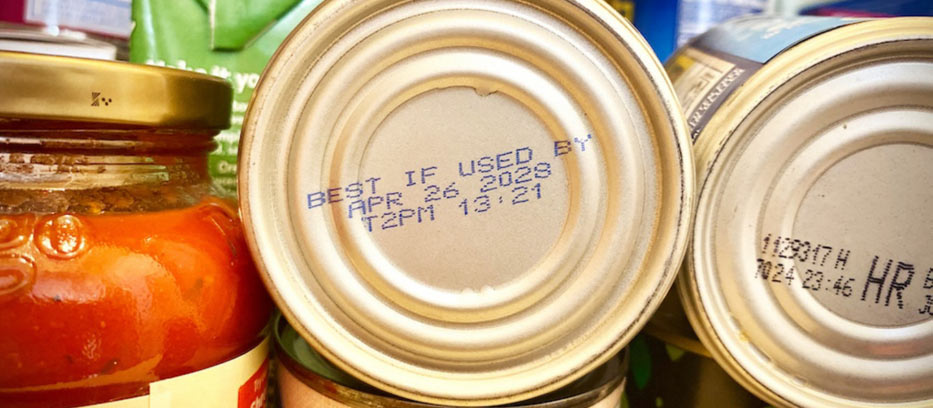
Date coding refers to the process of applying time-based information to food packaging. This information helps identify when a product was manufactured, packaged, or should be consumed.
In food packaging date coding, manufacturers typically include:
- Expiration dates
- Best-before dates
- Use-by dates
- Production dates
These codes are printed directly onto packaging using specialized equipment integrated into production lines.
Date coding ensures that products are consumed within safe timeframes and helps retailers manage inventory effectively.
Accurate and legible date codes are essential for maintaining product quality and protecting consumer health.
Why Date Codes Are Required for Food Products
Date coding is not just a best practice—it is a regulatory requirement in many regions. These codes serve multiple purposes that benefit both consumers and manufacturers.
Consumer Safety
One of the primary reasons for expiration date coding packaging is to protect consumers from unsafe products.
Food items can degrade over time, leading to potential health risks. Clear date codes allow consumers to determine whether a product is still safe to consume.
Accurate coding reduces the likelihood of foodborne illness and helps maintain trust in food brands.
Product Freshness and Shelf Life
Date codes also communicate product freshness. Best-before dates indicate when a product is expected to retain optimal quality, including taste, texture, and nutritional value.
Retailers rely on these codes to manage stock rotation, ensuring that older products are sold before newer ones.
Proper date coding helps minimize waste and maintain consistent product quality.
Regulatory Compliance
Food manufacturers must comply with strict food product labeling requirements set by government agencies.
These regulations often mandate the inclusion of expiration dates, batch numbers, and other identifying information.
Failure to meet these requirements can result in fines, product recalls, and damage to brand reputation.
Reliable coding systems help ensure compliance by consistently applying accurate information to every product.
Understanding Batch and Lot Codes
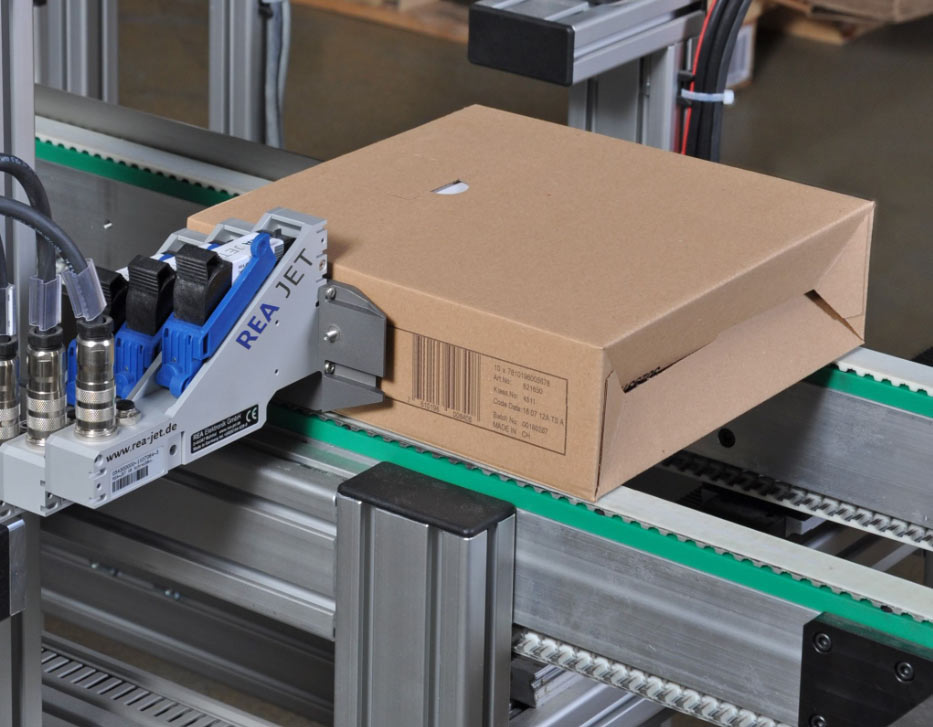
Batch and lot codes are essential components of lot coding food packaging. These codes identify specific production runs, allowing manufacturers to trace products back to their origin.
In the batch code food industry, these identifiers are used to:
- Track production details
- Monitor quality control processes
- Manage recalls and investigations
Batch codes typically include information such as production date, time, and location.
For example, if a defect is discovered in a particular batch, manufacturers can quickly identify and isolate affected products.
This targeted approach reduces the impact of recalls and improves operational efficiency.
Batch and lot coding also support internal processes, helping manufacturers analyze production performance and identify potential issues.
How Traceability Works in Food Supply Chains
Traceability refers to the ability to track products throughout the supply chain—from raw materials to finished goods and distribution.
Food traceability codes enable manufacturers, distributors, and retailers to monitor product movement and ensure accountability at every stage.
Traceability systems typically involve:
- Unique product identifiers
- Data management systems
- Integration with supply chain partners
When a product is scanned, its associated data can be accessed instantly, providing information about its origin, processing, and distribution.
Traceability plays a critical role in:
- Managing product recalls
- Ensuring regulatory compliance
- Improving supply chain efficiency
- Enhancing consumer confidence
As supply chains become more complex, advanced traceability systems are becoming increasingly important for food manufacturers.
Technologies Used to Print Date and Lot Codes
Several technologies are used to apply food packaging date coding and lot codes. Each offers advantages depending on packaging materials, production speed, and environmental conditions.
Continuous Inkjet (CIJ)
CIJ systems are widely used for date and lot coding in food production.
These systems use a continuous stream of ink droplets to print codes on packaging surfaces. Because CIJ is a non-contact method, it works well on fast-moving production lines and irregular surfaces.
CIJ is ideal for:
- Bottles and cans
- Flexible packaging
- High-speed operations
Thermal Inkjet (TIJ)
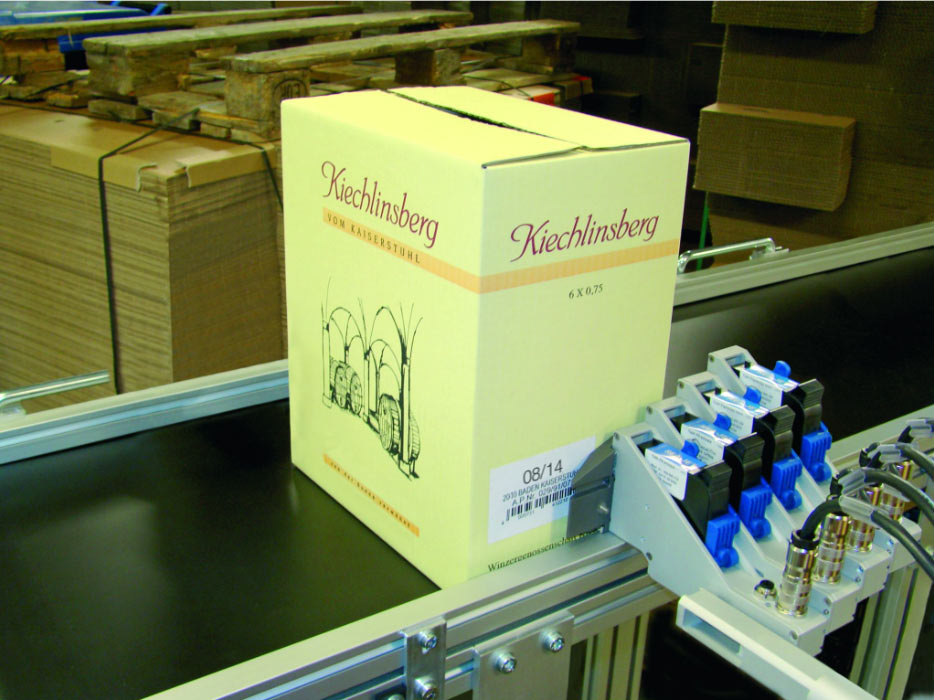
Thermal inkjet systems provide high-resolution printing for applications requiring detailed codes.
TIJ is often used for:
- Carton coding
- Barcodes and 2D codes
- Secondary packaging
This technology produces sharp, high-quality prints suitable for traceability systems.
Laser Marking
Laser marking systems use focused light to create permanent codes on packaging materials.
Laser systems are commonly used for:
- Glass bottles
- Metal cans
- Certain plastics
Because laser marking does not require ink, it reduces consumable costs and provides long-lasting durability.
Best Practices for Implementing Coding Systems in Food Production
Implementing effective coding systems requires careful planning and attention to detail.
Ensure Code Accuracy
Accuracy is critical in food packaging date coding. Incorrect information can lead to compliance issues and product recalls.
Manufacturers should implement systems that minimize human error and automate data input where possible.
Maintain Print Quality
Codes must remain legible throughout the product lifecycle. Factors such as packaging material, environmental conditions, and handling can affect print quality.
Regular maintenance and quality checks help ensure consistent performance.
Integrate with Production Systems
Coding systems should be integrated with production lines and data management platforms.
This integration allows for real-time updates, ensuring that each product receives the correct information.
Implement Verification Systems
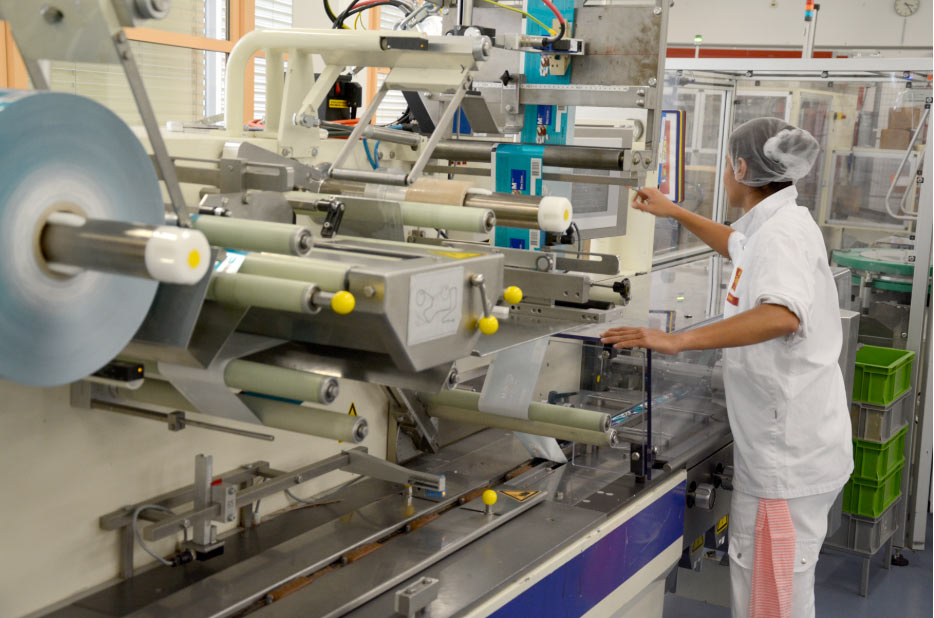
Vision inspection systems can verify code quality and detect errors such as missing or unreadable codes.
By removing defective products from the line, manufacturers can maintain high quality standards.
Plan for Scalability
As production needs evolve, coding systems should be capable of handling increased volumes and more complex data requirements.
Scalable solutions support long-term growth and adaptability.
Conclusion
Clear, legible date, lot, and batch coding are essential for ensuring product safety, compliance, and supply chain efficiency in food manufacturing.
By implementing reliable coding technologies and best practices, food manufacturers can maintain high-quality standards and respond quickly to potential issues.
As the industry continues evolving, investing in advanced traceability systems will remain a key factor in building consumer trust and achieving long-term success.
Contact REA JET to explore how agile coding and marking can unlock your packaging potential.
 Or call 440-232-0555
Featured Coding & Marking Technologies View all
Most-requested coding & marking systems.
- 01 Large Character Inkjet Printers (DOD) Direct-to-product marking for cases, pallets, lumber, building materials and other porous surfaces
- 02 High-Resolution Inkjet Printers Print sharp text, logos, barcodes and 2D codes directly on products and packaging
- 03 Laser Systems Permanent, maintenance-free marking for traceability, compliance and product identification
- 04 Barcode Verification Systems Verify barcode quality and readability to meet retailer, GS1 and customer requirements
- 05 Small Character Inkjet Print date, lot, batch and traceability codes for production lines and packaging
- 06 Spray Mark Technology Reliable product identification and defect marking for manufacturing and industrial processes