

From ensuring product safety to maintaining compliance and protecting brand reputation, the ability to track products throughout the supply chain is critical. This is where food traceability systems play a central role.
Coding and marking systems serve as the backbone of traceability by embedding key product information directly onto packaging. These systems enable manufacturers to identify, monitor, and manage products from production to consumption.
As supply chains become more complex and consumer expectations increase, implementing robust traceability systems has become a top priority for food manufacturers. This guide explores how coding and marking technologies support traceability and how businesses can implement effective solutions.
What Is Food Traceability
Food traceability refers to the ability to track the movement of food products through every stage of the supply chain. This includes production, processing, distribution, and retail.
Traceability in food manufacturing relies on capturing and storing data that identifies each product and its journey. Coding and marking systems provide the physical link between products and this data.
By applying identifiers such as batch numbers, production dates, and barcodes, manufacturers create a system that allows products to be tracked in real time.
Traceability systems support a wide range of operational and regulatory functions, including quality control, inventory management, and recall response.
Why Traceability Is Critical for Food Safety
Traceability plays a vital role in ensuring the safety and integrity of food products.
Rapid Recall Management
One of the most important benefits of food traceability systems is the ability to manage recalls quickly and effectively.
If a contamination issue or defect is identified, manufacturers can use traceability data to locate affected products and remove them from the supply chain.
This targeted approach minimizes risk to consumers and reduces financial losses.
Regulatory Compliance
Food manufacturers must comply with strict regulations that require accurate labeling and traceability.
Governments and industry organizations mandate the use of coding systems to ensure that products can be identified and tracked.
Failure to comply can result in penalties, recalls, and reputational damage.
Reliable industrial coding systems help ensure required information is applied consistently and accurately in food production.
Supply Chain Transparency
Transparency is increasingly important in today’s food industry. Consumers want to know where their food comes from and how it was produced.
upply chain traceability provides visibility into product origins, processing methods, and distribution paths within the food industry..
This transparency builds trust and supports brand credibility.
Key Data Used in Food Traceability
Traceability systems rely on several types of data to identify and track products.
Batch Numbers
Batch numbers are essential for food batch tracking. They identify specific production runs and allow manufacturers to trace products back to their origin.
Batch codes are critical for managing recalls and ensuring quality control.
Production Dates
Production dates indicate when a product was manufactured or packaged.
These dates are used to determine shelf life and ensure that products are consumed within safe timeframes.
Serialized Identifiers
Serialized identifiers assign unique codes to individual products.
This level of detail allows for precise tracking at the unit level, providing enhanced traceability and security.
Serialized coding is becoming more common as supply chains adopt advanced tracking technologies.
Technologies That Enable Traceability in Packaging
Coding and marking technologies are essential for implementing effective traceability systems.
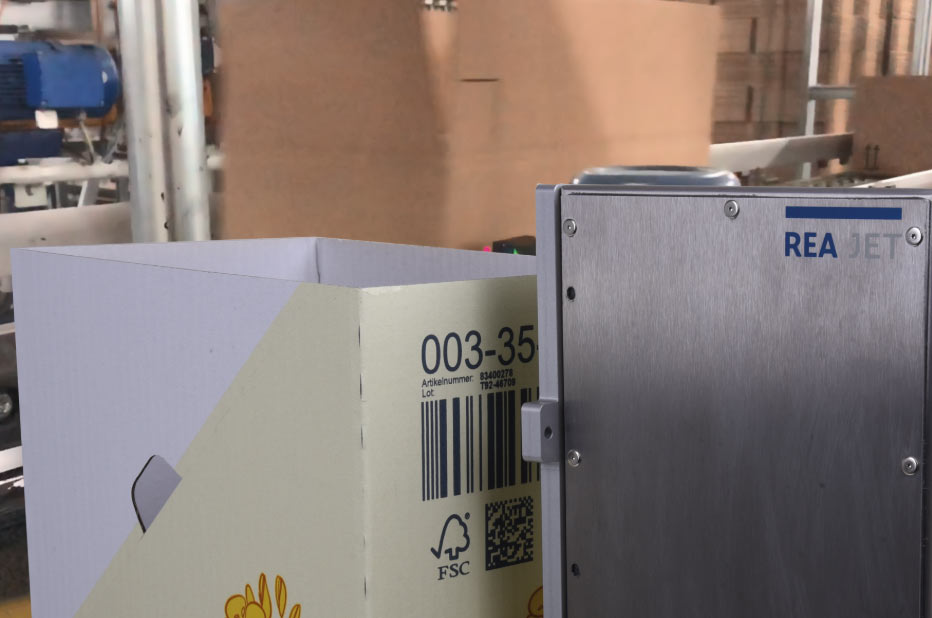
Inkjet Coding
Inkjet coding systems are widely used in food manufacturing. These systems apply codes such as batch numbers, dates, and barcodes directly onto packaging.
Inkjet technology is flexible and can be used on a variety of materials, including plastics, glass, and flexible films.
It is particularly well-suited for high-speed production lines.
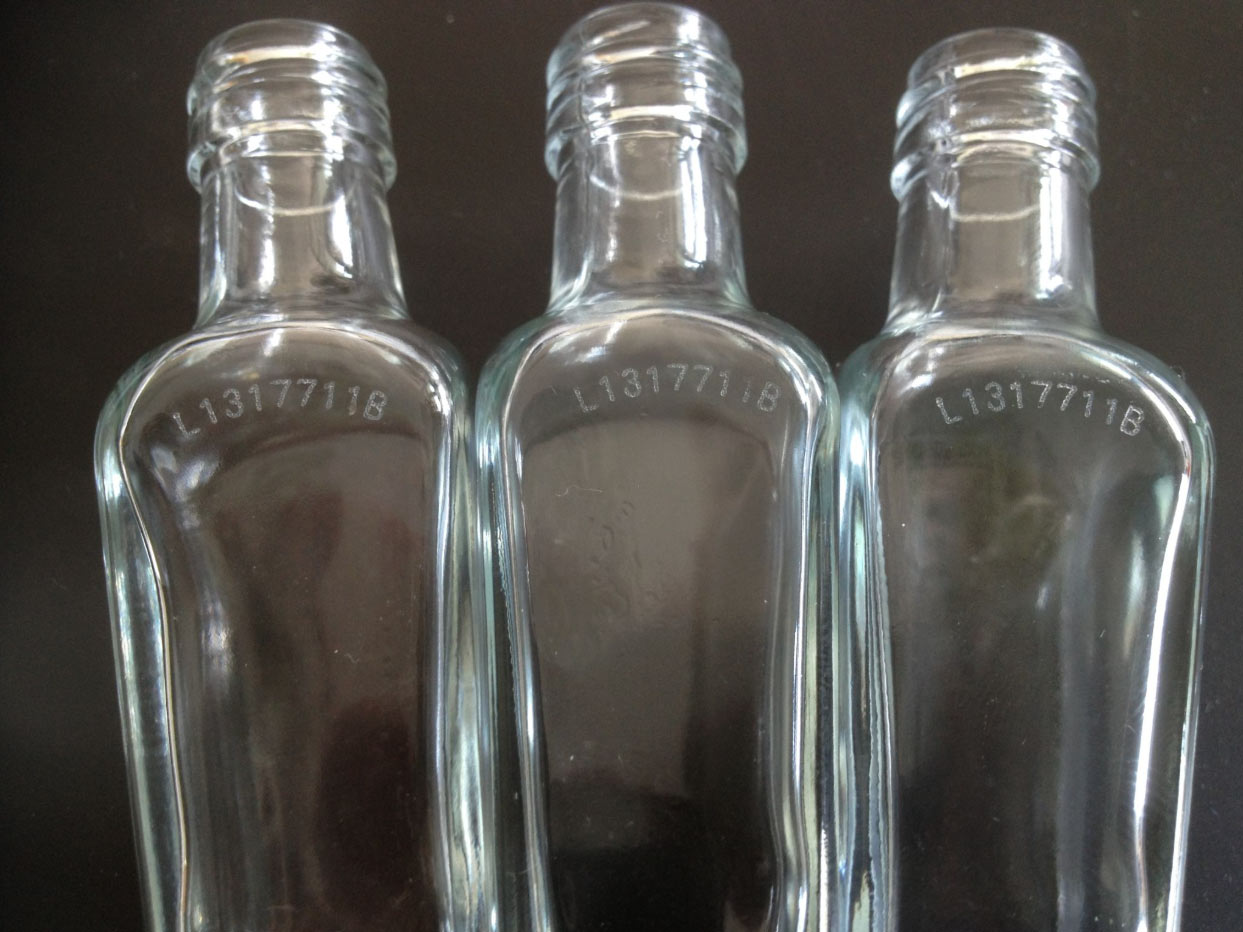
Laser Marking
Laser marking systems create permanent codes by altering the surface of packaging materials.
Because laser marking does not require ink, it reduces consumable costs and provides durable, high-contrast marks.
Laser systems are commonly used for glass bottles, metal cans, and certain plastics.
Barcode and 2D Code Printing
Barcodes and 2D codes are central to food packaging barcodes and traceability systems.
Traditional barcodes enable product identification at checkout, while 2D codes can store additional data such as batch information and digital links.
These codes support both operational efficiency and consumer engagement.
Implementing a Traceability System in Food Manufacturing
Implementing a successful traceability system requires careful planning and integration.
Define Traceability Objectives
Manufacturers should begin by identifying their traceability goals. These may include improving recall management, enhancing supply chain visibility, or meeting regulatory requirements.
Clear objectives help guide system design and implementation.
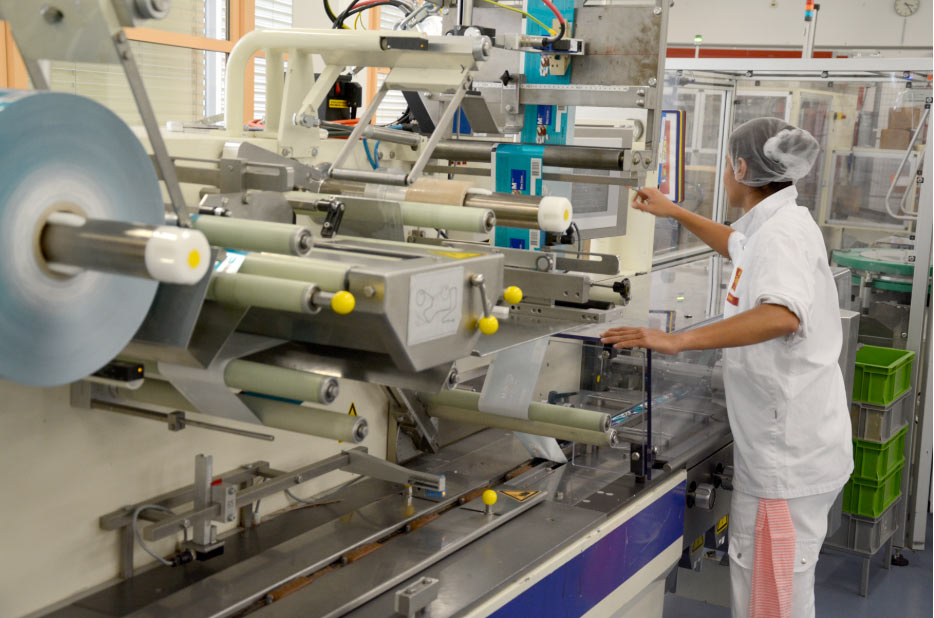
Integrate Coding Systems with Production Lines
Coding systems must be integrated with packaging equipment and production software.
This integration ensures that each product receives accurate and consistent information.
Sensors and automation systems can trigger coding devices to apply marks at precise locations.
Implement Data Management Systems
Traceability relies on accurate data storage and retrieval. Manufacturers should implement systems that capture and manage product information throughout the supply chain.
These systems enable real-time tracking and reporting.
Use Verification and Inspection Tools
Vision inspection systems can verify code quality and detect errors.
By identifying issues early, manufacturers can prevent defective products from entering the supply chain.
Train Personnel
Employees must understand how to operate and maintain coding systems effectively.
Proper training ensures consistent performance and reduces the risk of errors.
Future Trends in Food Packaging Traceability
The future of food traceability systems is being shaped by technological advancements and evolving industry requirements.
Adoption of 2D Barcodes
2D barcodes are becoming increasingly important for traceability and digital engagement.
These codes can store more data than traditional barcodes, enabling enhanced tracking and consumer interaction.
Integration with Digital Platforms
Traceability systems are becoming more integrated with digital platforms and cloud-based data systems.
This integration allows for real-time monitoring and improved supply chain coordination.
Blockchain Technology
Blockchain technology is being explored to create secure, transparent records of product movement.
This technology has the potential to enhance trust and accountability in food supply chains.
Sustainability and Transparency
Consumers are increasingly interested in sustainability and ethical sourcing.
Traceability systems can provide information about product origins and environmental impact, supporting more informed purchasing decisions.
Conclusion
Effective food traceability systems are essential for ensuring safety, compliance, and efficiency in food and beverage manufacturing.
By leveraging coding and marking technologies, manufacturers can track products throughout the supply chain, respond quickly to issues, and build trust with consumers.
From batch tracking and production dates to advanced barcode systems, traceability solutions provide the foundation for modern food manufacturing.
As technology continues evolving, companies that invest in robust traceability systems will be better positioned to meet industry demands and achieve long-term success.
Contact REA JET to explore how agile coding and marking can unlock your packaging potential.
 Or call 440-232-0555
Featured Coding & Marking Technologies View all
Most-requested coding & marking systems.
- 01 Large Character Inkjet Printers (DOD) Direct-to-product marking for cases, pallets, lumber, building materials and other porous surfaces
- 02 High-Resolution Inkjet Printers Print sharp text, logos, barcodes and 2D codes directly on products and packaging
- 03 Laser Systems Permanent, maintenance-free marking for traceability, compliance and product identification
- 04 Barcode Verification Systems Verify barcode quality and readability to meet retailer, GS1 and customer requirements
- 05 Small Character Inkjet Print date, lot, batch and traceability codes for production lines and packaging
- 06 Spray Mark Technology Reliable product identification and defect marking for manufacturing and industrial processes