
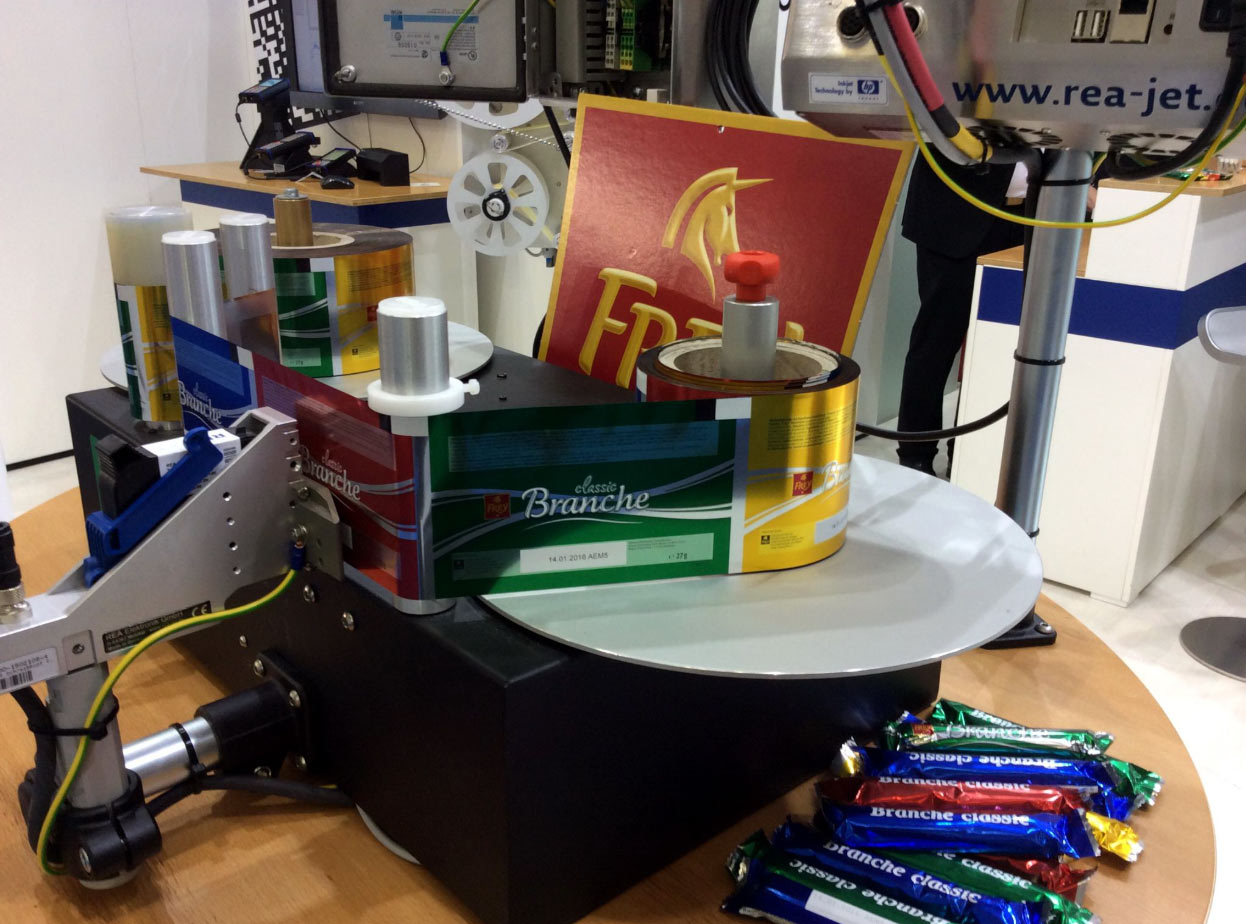
The food and beverage industry operates under some of the most rigorous safety and traceability standards in manufacturing. Accurate product identification is essential to protect consumers, comply with regulations, and maintain supply chain transparency. This is where food and beverage coding and marking systems play a critical role.
From expiration dates on dairy products to serialized barcodes on packaged snacks, coding systems ensure that essential information is clearly applied to food packaging. Modern production environments require these codes to be accurate, durable, and applied at high speeds without disrupting packaging line performance.
In this guide, we explore how food packaging coding systems work, why traceability is critical, the technologies used to apply codes, and how manufacturers can integrate reliable marking solutions into modern packaging lines.
What Is Coding and Marking in the Food and Beverage Industry
Coding and marking refers to the process of applying identifying information to food packaging during production. These markings typically include dates, batch identifiers, traceability codes, and barcodes that allow products to be tracked through the supply chain.
In the food industry, coding systems are usually integrated directly into automated packaging lines. As products move through forming, filling, and sealing,, coding equipment prints the required information before the goods leave the production facility.
Common examples of coding information include:
- Manufacturing dates
- Expiration or best-before dates
- Batch or lot numbers
- Product identification codes
- Barcodes or QR codes
These codes help manufacturers maintain accurate records and ensure compliance with food safety regulations. They also provide valuable information for retailers and consumers.
Reliable coding and marking systems must operate consistently in challenging food production environments where moisture, temperature changes, and high-speed operations are common.
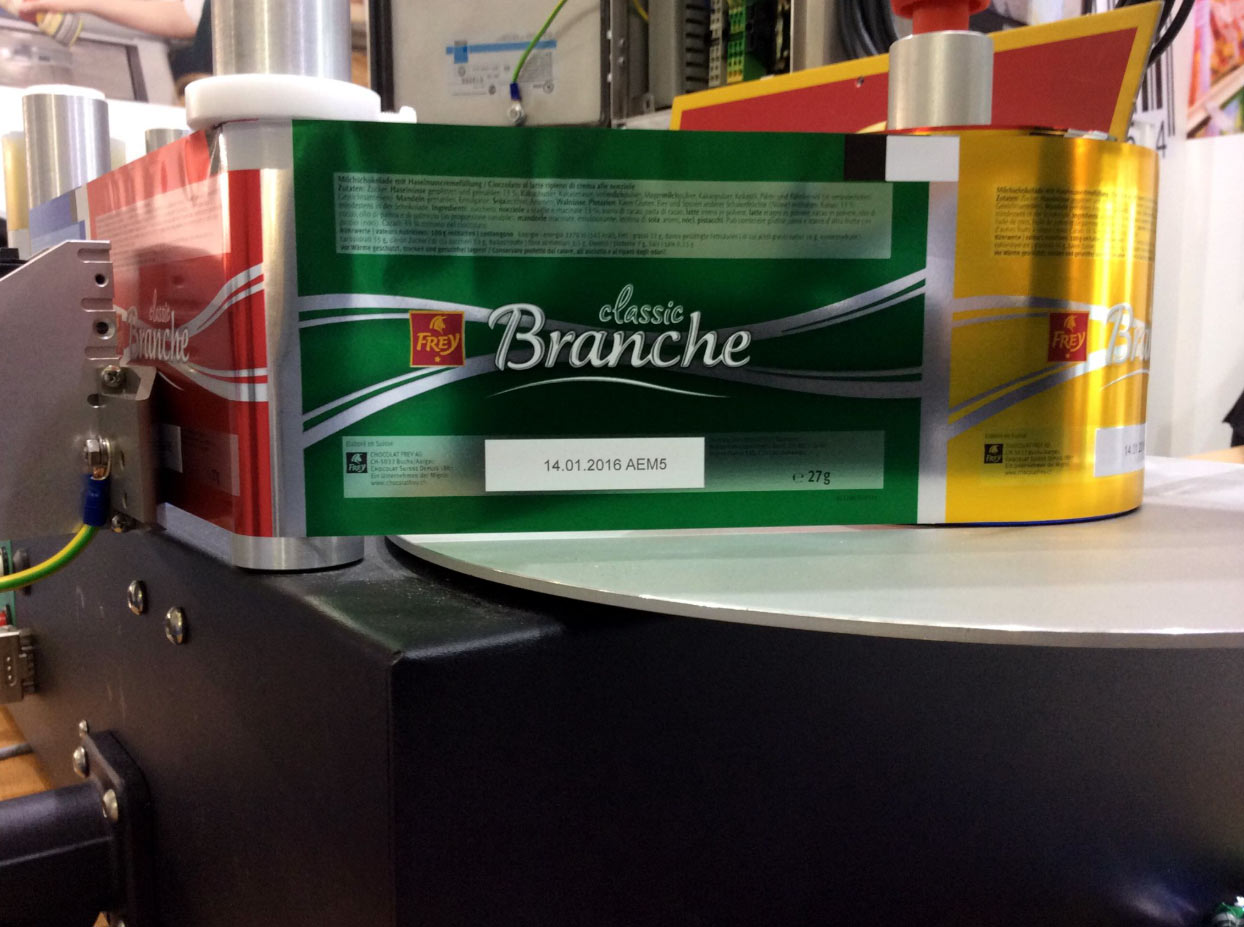
Why Traceability Is Critical in Food Manufacturing
Traceability is one of the primary reasons manufacturers invest in advanced food packaging traceability systems. The ability to track products quickly and accurately protects consumers while supporting operational efficiency.
Product Safety and Consumer Protection
Food safety is the top priority in the food and beverage industry. If a contamination issue occurs, manufacturers must be able to identify affected products quickly.
Batch codes on food packaging allows companies to isolate specific production runs rather than recalling entire product lines. This targeted approach protects consumers while minimizing financial and logistical impacts.
Clear codes also help retailers remove expired or compromised products from shelves.
Regulatory Compliance
Governments and regulatory agencies require food manufacturers to maintain strict traceability standards. Accurate date coding on food packaging ensures that consumers receive safe products within their intended shelf life.
Regulations often require manufacturers to document production details, including batch numbers, production dates, and processing information. Coding systems provide the physical identifiers that support these records.
Failure to comply with labeling and traceability regulations can result in product recalls, fines, or damage to brand reputation.
Supply Chain Transparency
Modern supply chains involve multiple stakeholders, including manufacturers, distributors, retailers, and regulators. Food packaging traceability systems enable these parties to access consistent information about product origins and movement.
By scanning codes applied during production, supply chain partners can track products from factory to shelf. This transparency helps identify bottlenecks, improve inventory management, and detect potential issues early.
Common Codes Used in Food Packaging
Several types of codes are commonly used in food and beverage packaging. Each serves a specific purpose in traceability and compliance.
Expiration and Best-Before Dates
Expiration and best-before dates are among the most recognizable markings on food packaging. These dates inform consumers and retailers when products should be consumed or removed from sale.
Reliable date coding food packaging systems ensure these markings remain clear and legible throughout storage and distribution.
Batch and Lot Numbers
Batch and lot numbers identify specific production runs. These codes help manufacturers trace products back to their production conditions, ingredients, and processing steps.
In the event of a recall, batch coding food packaging allows companies to quickly identify affected units and prevent unnecessary disruption.
Barcodes and QR Codes
Barcodes and QR codes are widely used for retail scanning and inventory management. These codes enable automated identification of products during distribution and checkout.
2D codes such as QR codes can also store additional information, including product origin, ingredient details, and digital engagement content.
Together, these coding elements form the foundation of effective food packaging traceability systems.
Coding Technologies Used in Food Packaging
Several coding technologies are widely used in food and beverage production environments. Each technology offers advantages depending on packaging materials, production speeds, and operational conditions.
Continuous Inkjet (CIJ)
Continuous Inkjet printers are one of the most common solutions in industrial coding food industry applications. CIJ systems produce a continuous stream of ink droplets that are directed onto packaging surfaces.
CIJ technology works well on a wide range of materials, including plastic films, metal cans, glass bottles, and cartons. It is particularly valued for its ability to print at high speeds without contact.
This versatility makes CIJ a preferred option for food packaging on fast-moving production lines.
Laser Marking Systems
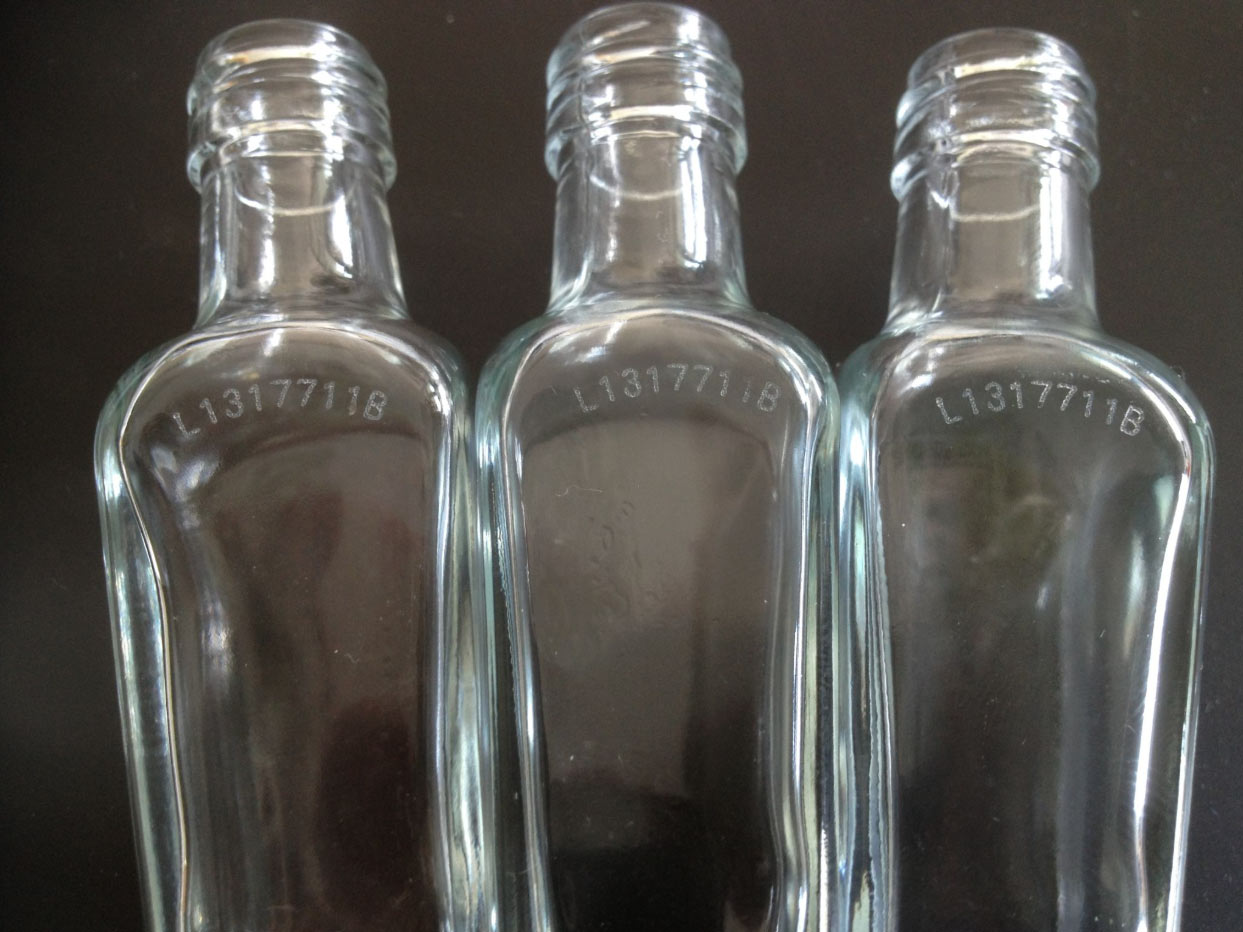
Laser marking systems use focused beams of light to permanently alter the surface of packaging materials. Unlike ink-based systems, laser technology does not require consumables.
Laser marking is often used on glass bottles, metal containers, and certain plastic materials. It provides durable, smudge-resistant codes that remain readable throughout the product lifecycle.
Because of its permanence and low maintenance requirements, laser marking is gaining popularity in many food packaging applications.
High-Resolution Inkjet
High-resolution inkjet systems are commonly used for larger codes and detailed graphics. These printers produce crisp text, logos, and complex barcodes.
High-resolution systems are often applied to cartons and secondary packaging where larger printable areas are available. The clarity they provide supports barcode scanning and traceability requirements.
Integrating Coding Systems into Packaging Lines
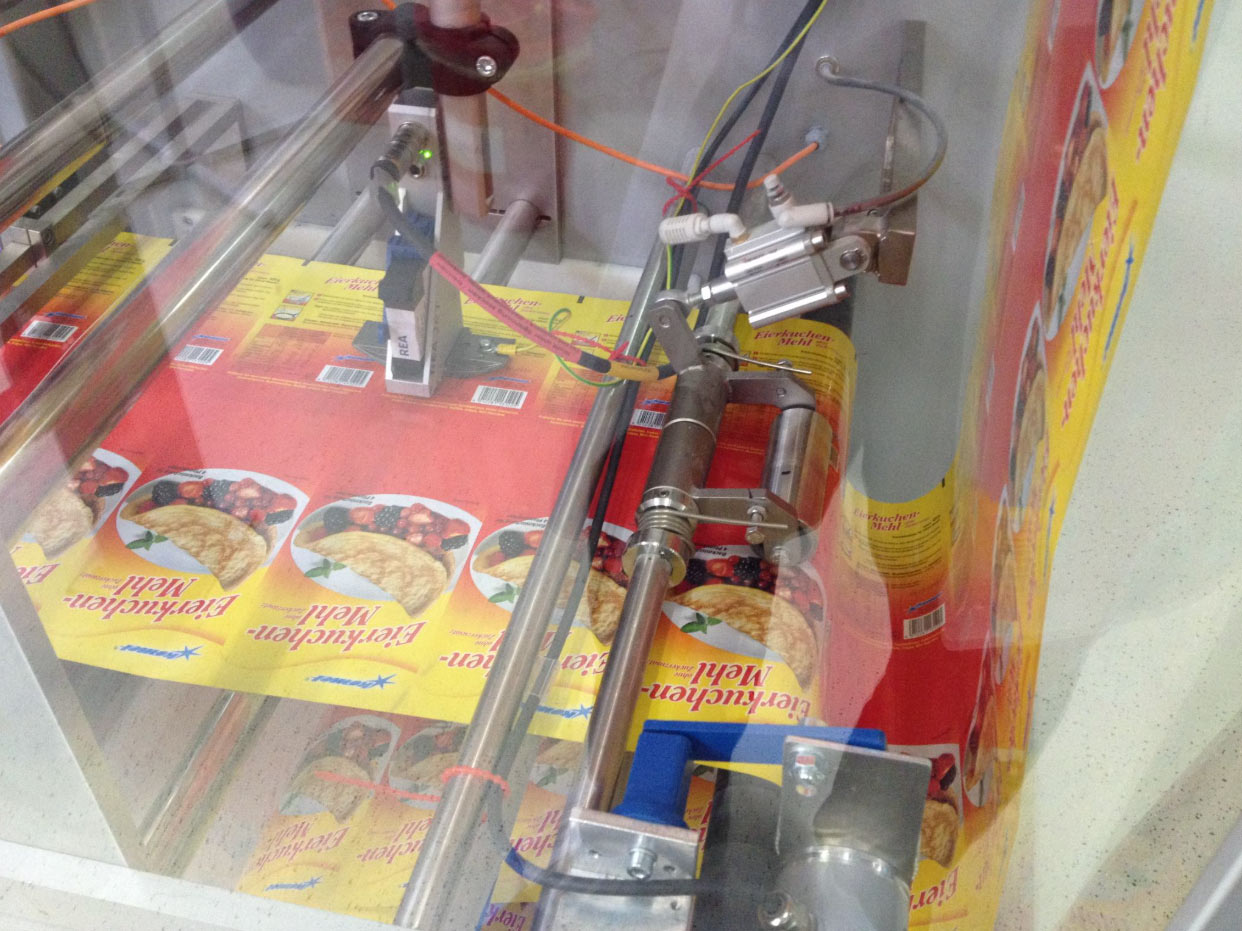
Effective coding systems for the food and beverage industry must integrate seamlessly into modern packaging lines. Coding equipment is typically installed at specific points where products are fully packaged but before they leave the production line.
Sensors detect the position of each product and trigger the coding system to apply the correct information. Advanced controllers manage variable data, ensuring that each product receives accurate codes based on production parameters.
Many packaging lines also include vision inspection systems that verify code quality in real time. These systems detect unreadable or missing codes and automatically remove defective products from the line.
Integration with factory software platforms allows manufacturers to manage coding templates centrally and synchronize product data across multiple facilities.
This level of integration ensures that coding and marking processes remain reliable even in high-speed food production environments.
How to Select the Right Coding Technology for Your Food Production Line
Selecting the right coding technology depends on several factors specific to each production environment.
Packaging Materials
Different substrates require different marking technologies. Flexible packaging films may require inkjet printing, while glass bottles may be better suited for laser marking.
Production Speed
High-speed packaging lines require coding systems capable of keeping pace without sacrificing quality.
Code Requirements
Simple expiration dates may require less advanced equipment than complex barcodes or serialized identifiers.
Environmental Conditions
Food production environments often involve humidity, washdowns, and temperature fluctuations. Equipment must be designed to operate reliably under these conditions.
Maintenance and Operating Costs
Manufacturers should evaluate long-term maintenance requirements, consumables, and service support when selecting coding equipment.
By carefully evaluating these factors, food manufacturers can implement coding systems that improve reliability, compliance, and operational efficiency.
Conclusion
Coding and marking systems are essential components of modern food and beverage manufacturing. They ensure accurate product identification, support regulatory compliance, and protect consumers through effective traceability.
From date coding food packaging to advanced food packaging traceability systems, reliable coding technology helps manufacturers maintain quality while operating efficiently.
As packaging lines become more automated and supply chains more complex, investing in robust food and beverage coding and marking solutions will remain a critical step in ensuring safety, transparency, and long-term operational success.
Contact REA JET to explore how agile coding and marking can unlock your packaging potential.
 Or call 440-232-0555
Featured Coding & Marking Technologies View all
Most-requested coding & marking systems.
- 01 Large Character Inkjet Printers (DOD) Direct-to-product marking for cases, pallets, lumber, building materials and other porous surfaces
- 02 High-Resolution Inkjet Printers Print sharp text, logos, barcodes and 2D codes directly on products and packaging
- 03 Laser Systems Permanent, maintenance-free marking for traceability, compliance and product identification
- 04 Barcode Verification Systems Verify barcode quality and readability to meet retailer, GS1 and customer requirements
- 05 Small Character Inkjet Print date, lot, batch and traceability codes for production lines and packaging
- 06 Spray Mark Technology Reliable product identification and defect marking for manufacturing and industrial processes