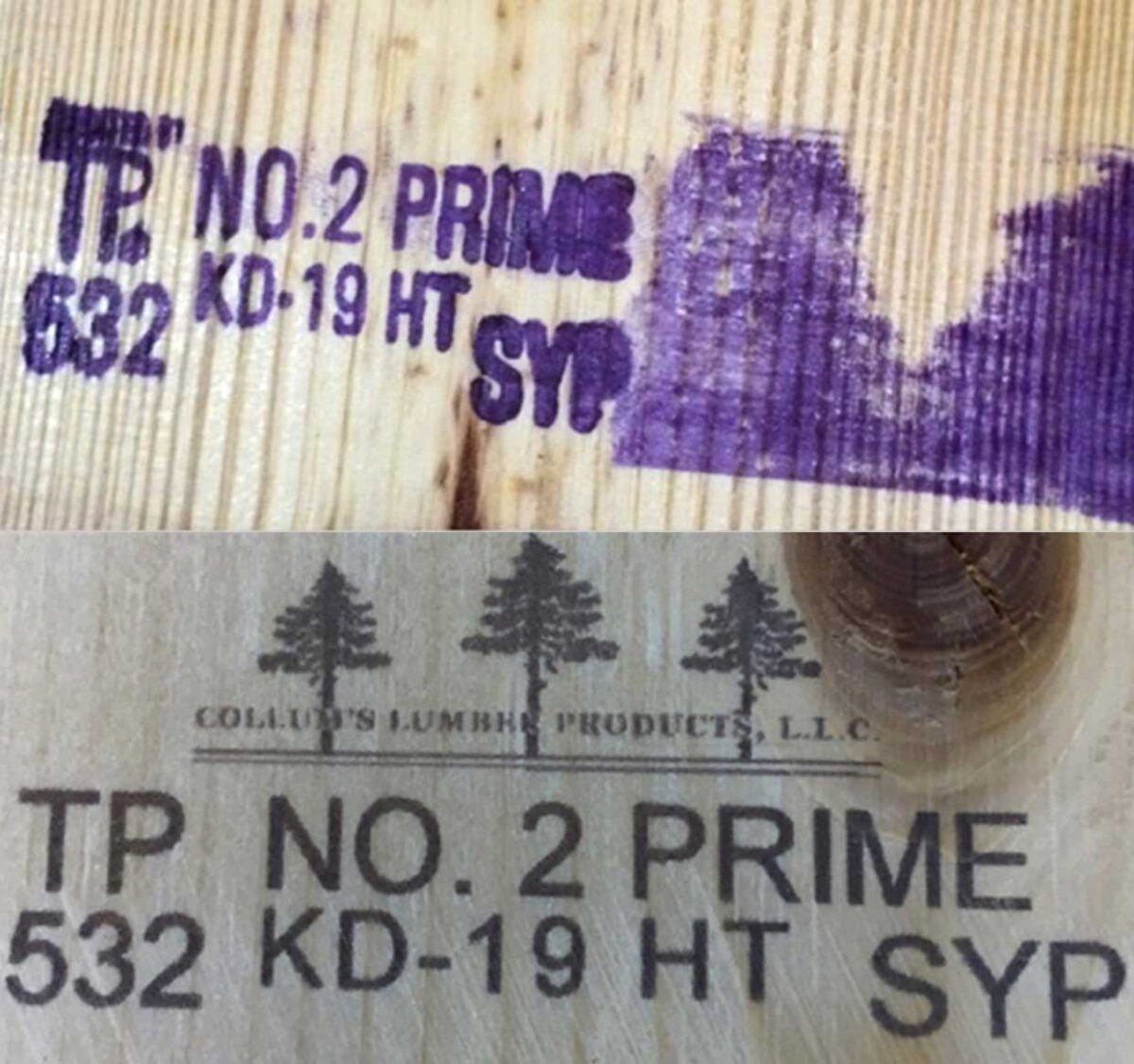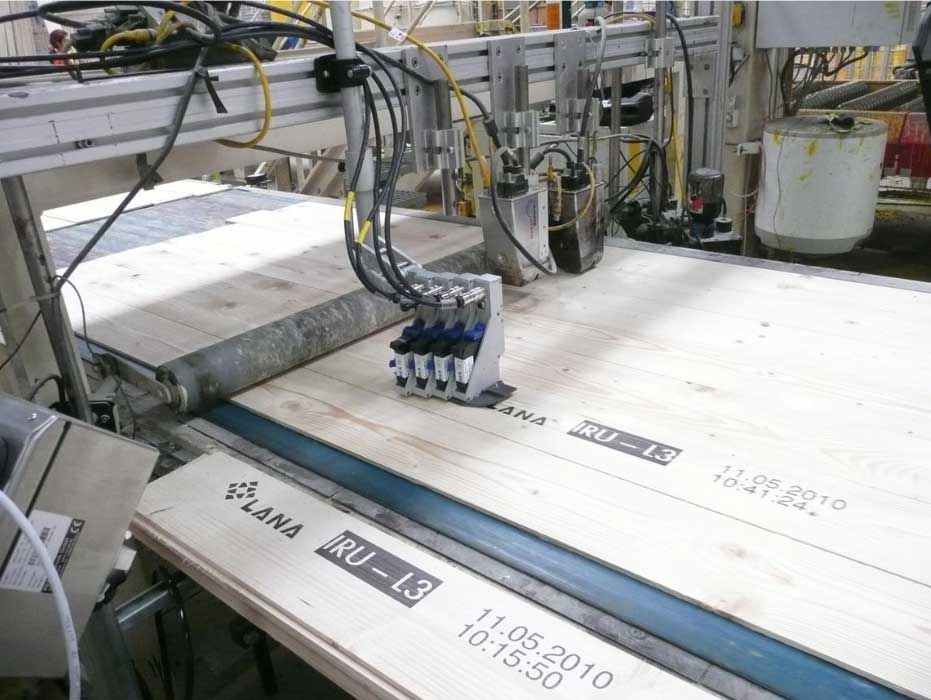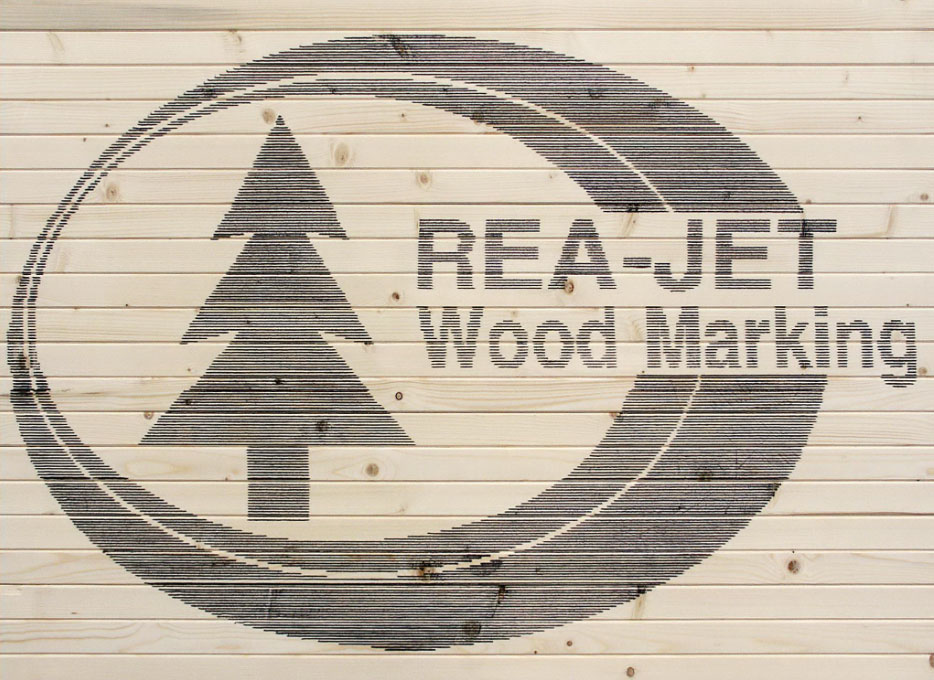
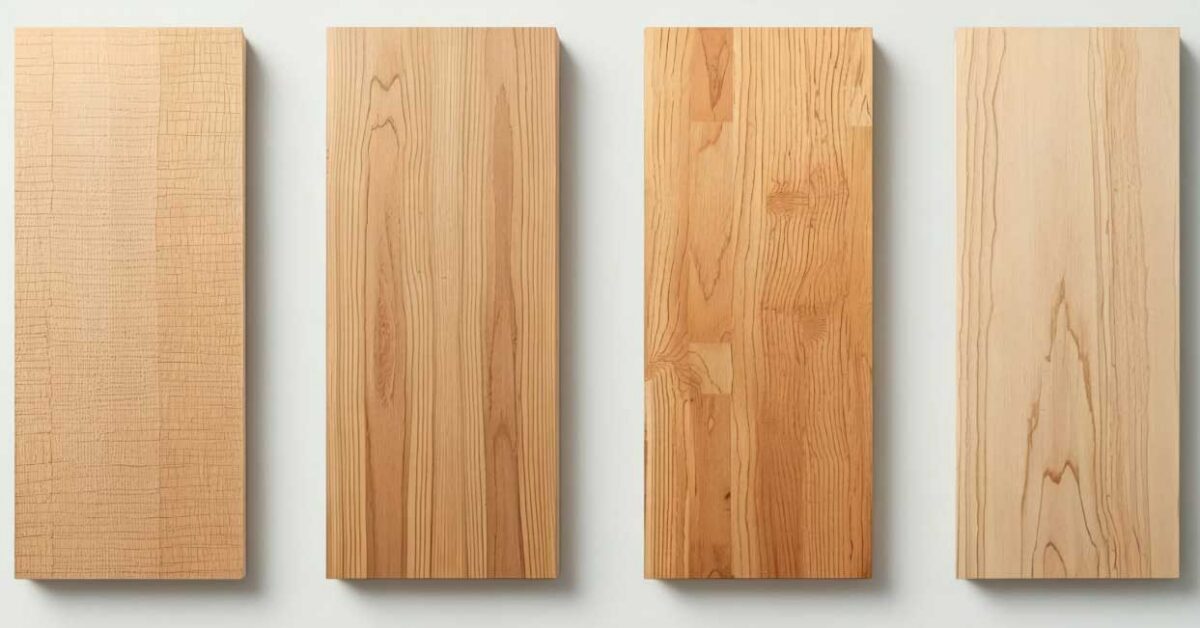
Wood products may look similar as they move through a manufacturing facility, but from a coding and marking perspective, they can behave very differently. MDF offers a relatively uniform surface. Plywood introduces grain, layers, and surface variations. OSB is coarse and highly textured. Solid wood can vary significantly depending on species, moisture, finish, and processing. That means there is no …
Lumber Marking and Coding: Laser Marking vs. Inkjet Coding
Lumber and engineered wood manufacturers have more options than ever for automating product identification. From grade and production information to logos, tracking data, and machine-readable codes, today’s marking systems can turn a once-simple production step into an integrated part of the manufacturing process. But choosing the right technology isn’t always straightforward. Two technologies that may be considered for certain wood …
The Benefits of Clear, Consistent Lumber Grade Stamping
In lumber manufacturing, a mark is more than a mark. Grade stamps, production information, traceability codes, and other identifiers need to be applied accurately and consistently—often while lumber is moving through a demanding, high-volume production environment. Traditional marking methods can struggle to keep pace with the speed and automation of modern mills. That’s why manufacturers are increasingly turning to advanced …
Building Materials Traceability: What Information Should You Print on Lumber, Bricks, and Panels?
A code printed on a piece of lumber, brick, panel, or other construction material can do much more than identify the product. When marking is connected to production data, that code can help manufacturers determine when a product was made, where it was produced, which production line handled it, what batch it belonged to, and potentially other information relevant to …
How to Choose the Right Ink for CPG Substrates: A Complete Guide
Consumer packaged goods manufacturers work with an increasingly diverse range of packaging materials. A single production facility may need to print date codes, lot numbers, barcodes, serial numbers, and traceability information on plastic bottles, glass jars, aluminum cans, coated cartons, flexible films, labels, corrugated cases, and metal closures. Each of these materials presents different coding challenges. An ink that adheres …
- Page 1 of 2
- 1
- 2